diplo.news
A bridge between Saarland and South Korea
Entering the European single market is a challenge for many South Korean companies. Different business cultures, complex regulatory requirements, and lengthy administrative processes often make market entry difficult. Yet, of all places, the small state of Saarland has developed into an important bridgehead for Korean companies in Europe over the past decades.
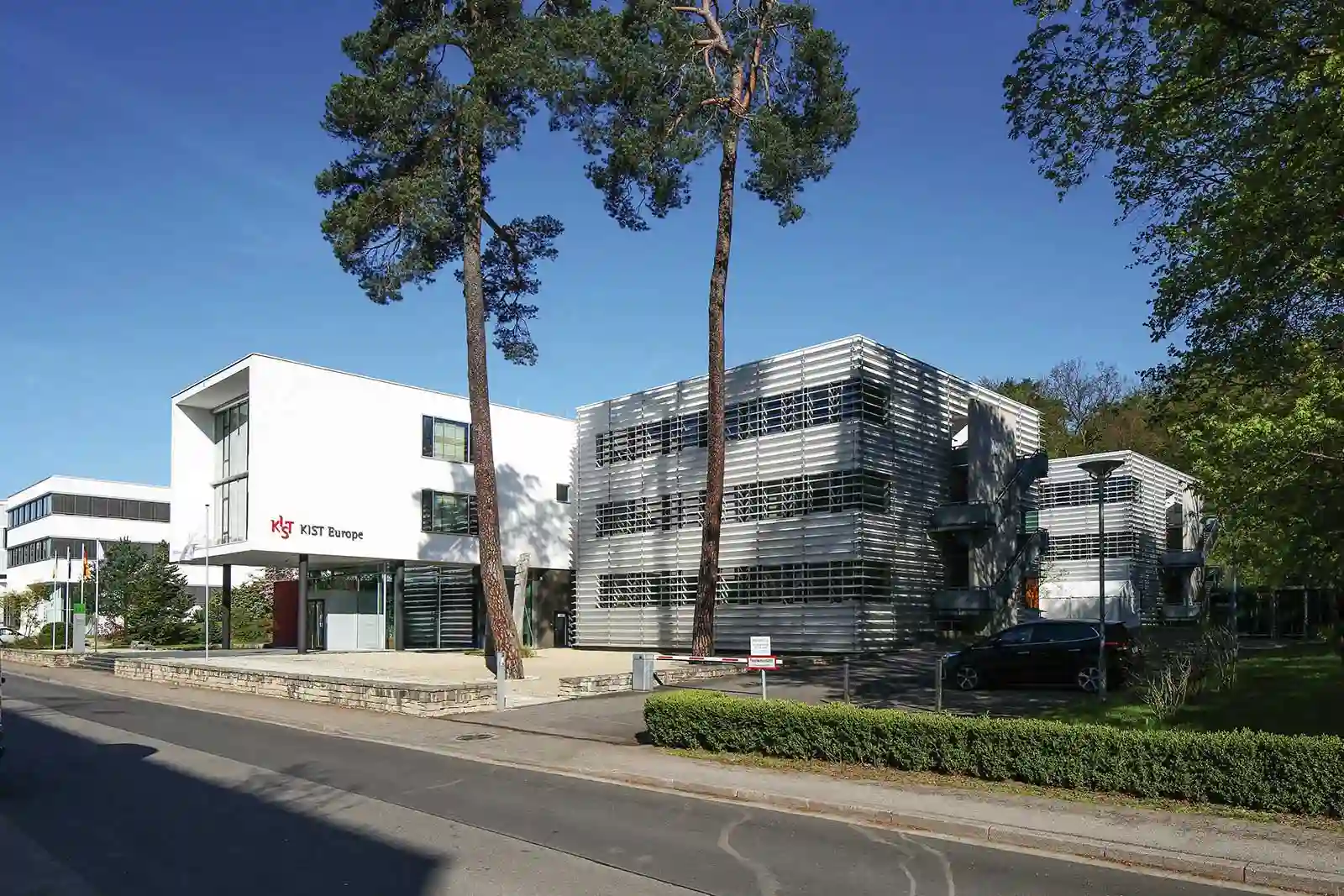
There are several reasons why the Saarland enjoys a remarkably good reputation in South Korea today: a well-established local Korean infrastructure, short decision-making processes, long-standing contacts—and, above all, the Korea Institute of Science and Technology Europe (KIST Europe) in Saarbrücken. It is the only branch of the Korean research institute outside of South Korea. The institute was founded in 1996 through a German-Korean intergovernmental agreement and works closely with Saarland University.
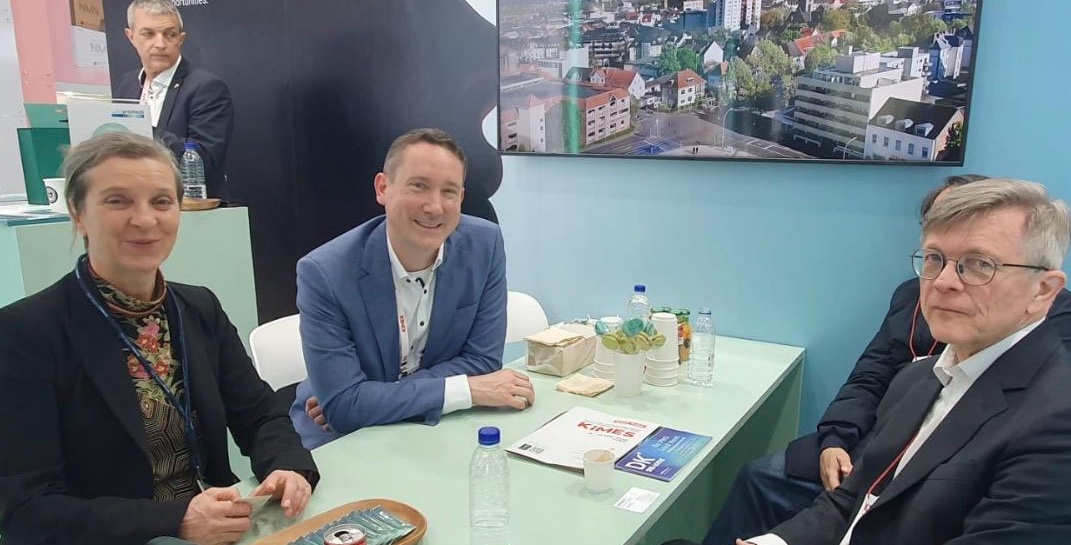
The Saarland Economic Promotion Agency (gwSaar) leverages this unique connection strategically for its international location policy. Under the “Germany’s Saarland” brand, gwSaar recently promoted Saarland as a business location at the “Korea International Medical & Hospital Equipment Show” (KIMES) in Seoul. With around 1,500 exhibitors from 39 countries, KIMES is considered one of Asia’s most important medical trade fairs.
The focus of the trade fair presentation was on the fields of life sciences, medical technology, and pharmaceuticals. The goal was to attract Asian companies to establish operations in the Saarland and to further expand existing economic ties
“This is a trade show of enormous significance, with a focus on the pharmaceutical sector, medical devices, and cosmetics,” explains Anja Petschauer, Director of International Relations at gwSaar, in an interview with diplo.news. The Korean cosmetics market, in particular, is of great interest to European investors: “Korea now has one of the largest cosmetics markets in the world.”

Unique Infrastructure for Korean Companies
A key role in this is played by the so-called "InSaar EUHub," a joint program by gwSaar and KIST Europe. According to Petschauer, this aims to facilitate Korean companies' entry into the European market – from finding office and research spaces and administrative support to building networks.
"With the InSaar EU Hub, we have established a unique joint program," says Petschauer. “As a German economic development agency, we use our expertise and the local Korean infrastructure to support companies looking to enter the EU market.”
In fact, several Korean companies and institutions have already established themselves in the Saarland. Relations with the South Korean province of Gangwon have also been strengthened in recent years. In 2025, both regions signed a friendship and cooperation agreement. In addition, there are numerous scientific collaborations as well as exchange programs for students and researchers.
Saarland as a European Gateway
The work carried out by Saarland-based companies on the ground also demonstrates just how important the Saarland’s role as a bridge has become. Among the exhibitors at KIMES was MT Promedt Consulting GmbH from the Saarland, which assists international medical device manufacturers with regulatory approval processes in Europe.
According to the company, it supports around 50 to 60 Korean manufacturers—particularly in the field of in vitro diagnostics. The managing director and employees have been regularly present in Korea for decades.
“For many non-European manufacturers, European medical device regulations are extremely complex,” explains a company representative. “We assist with technical documentation and quality management systems, and as authorized representatives, we act as the interface with European authorities.”
European regulations, in particular, are a constant source of frustration. Procedures often take years, certification bodies are scarce, and many companies view European legislation as cumbersome.
“Manufacturers often don’t understand why everything takes so long,” the company says. “In some cases, we’re talking about procedures that have been under discussion for more than ten years and still haven’t been fully implemented.”
Research, Business, and Trust
Despite all their differences, both sides see great potential in cooperation. The Saarland benefits from Korean investment and scientific collaboration, while Korean companies find that the Saarland offers experienced and relatively straightforward access to the European market.
The combination of research, economic development, and cultural experience thus makes this small federal state an unusually important partner for South Korea in Europe. Petschauer says: “We in the Saarland now have more experience with Korea than many other regions. That helps both sides—economically and culturally.”
ekö
.webp)