diplo.news
From Stamps to Chips: The Rapid Evolution of the Passport

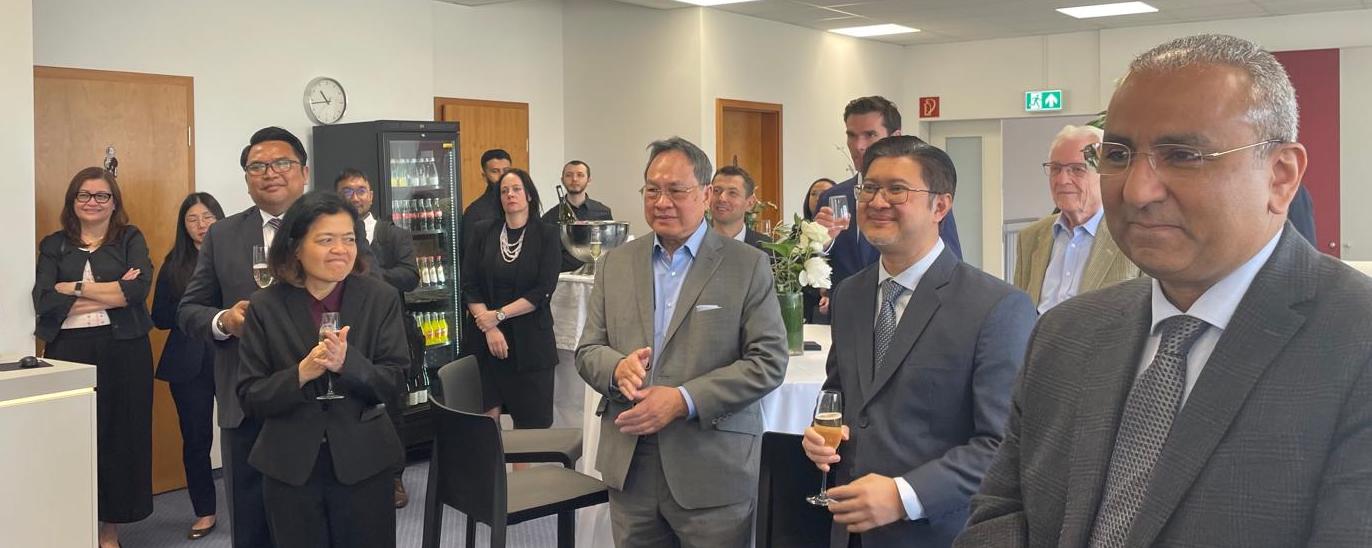
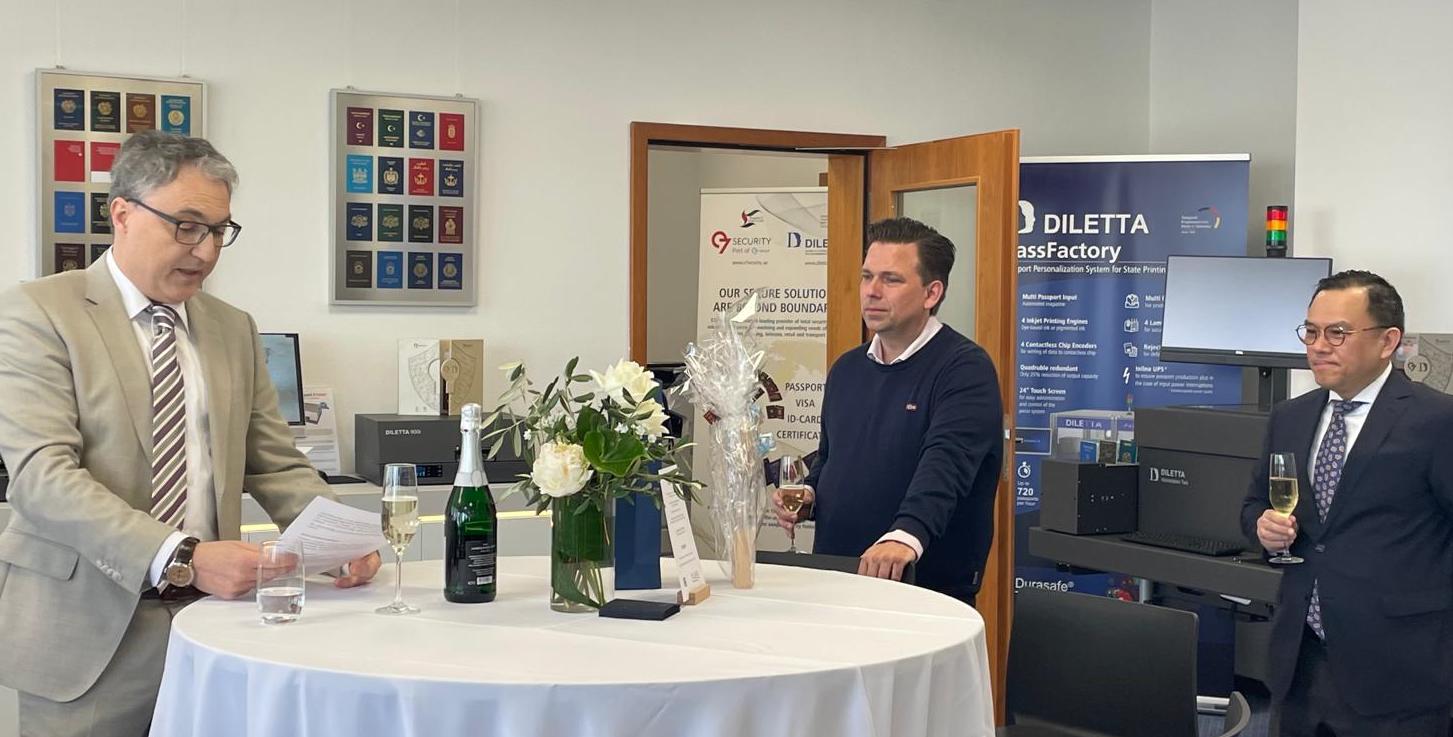
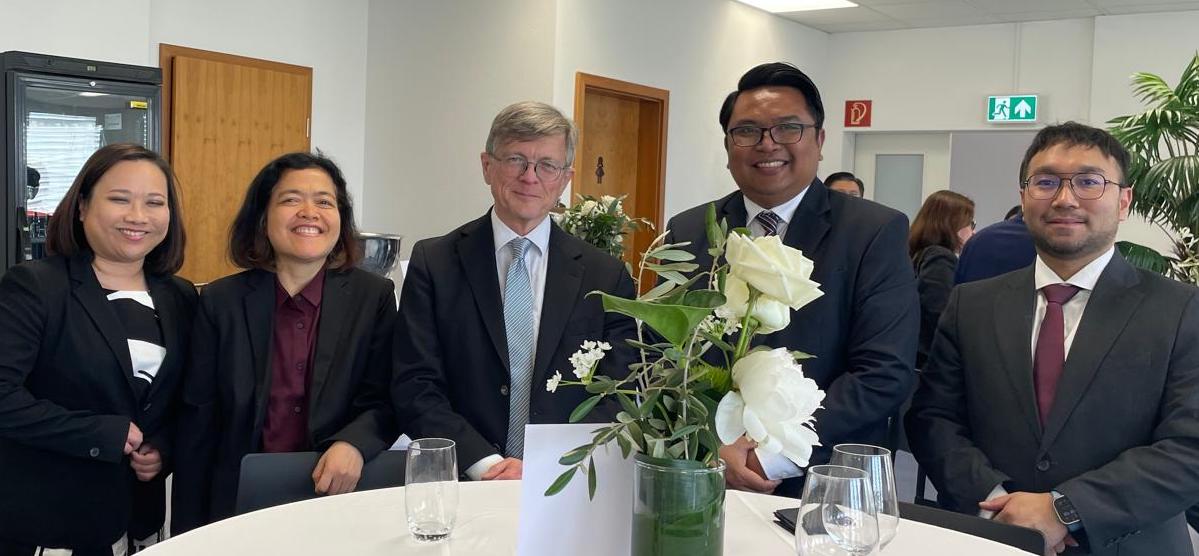
Previously handwritten booklets, today high-security documents: The rapid technical development of passports and digital identity systems met with great interest from numerous representatives of embassies and consulates who came to Nauheim in Hesse at the invitation of Diletta Maschinentechnik on the occasion of its 70th anniversary. Nauheim’s mayor, Marc Friedrich, remarked that Nauheim had never before experienced such a strong international presence in a single day. diplo.news was there as a media partner of Diletta.
For seven decades, Diletta has been supplying the governments of 170 countries with identity and security technology products. At the anniversary reception, Managing Director Udo Nikolai and Senior Partner Reinhard Nikolai gave the diplomatic guests a tour of the company and demonstrated the various stages of document security development.
Handwritten and stamped
What is now considered a self-evident high-security document began surprisingly simply: passports were filled out by hand or inscribed and stamped with simple typewriters. The journey from paper documents to digital proof of identity is a story of technical innovation and entrepreneurial courage.
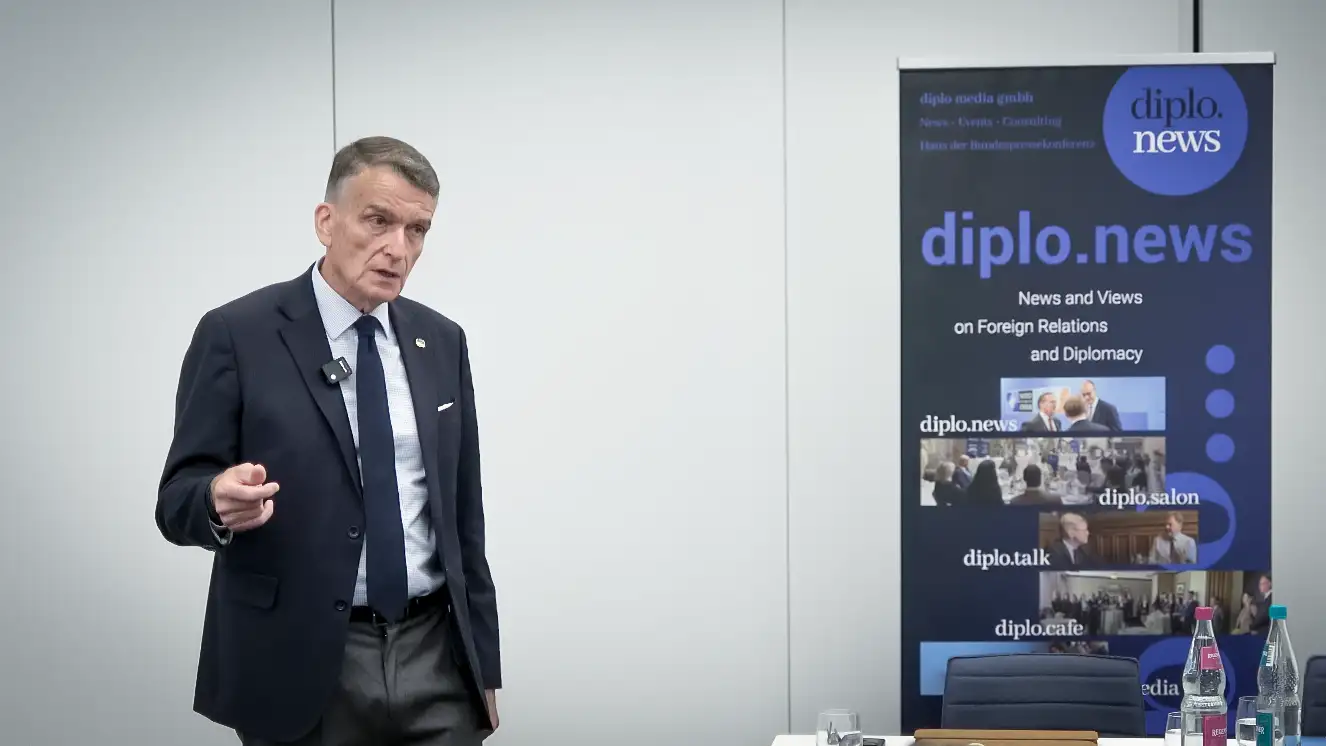
“In an era when startups come and go, 70 years is an eternity,” said CEO Udo Nikolai in his opening remarks. “Today we are a global player, but our roots lie in the basement of an ordinary residential building.” Back then, the focus wasn’t on high-security technology for government documents, but on repairing office machines and office furniture. “You could say: We learned to repair and maintain technology before we learned to reinvent it. This pragmatic ‘basement spirit’ remains with us to this day.”
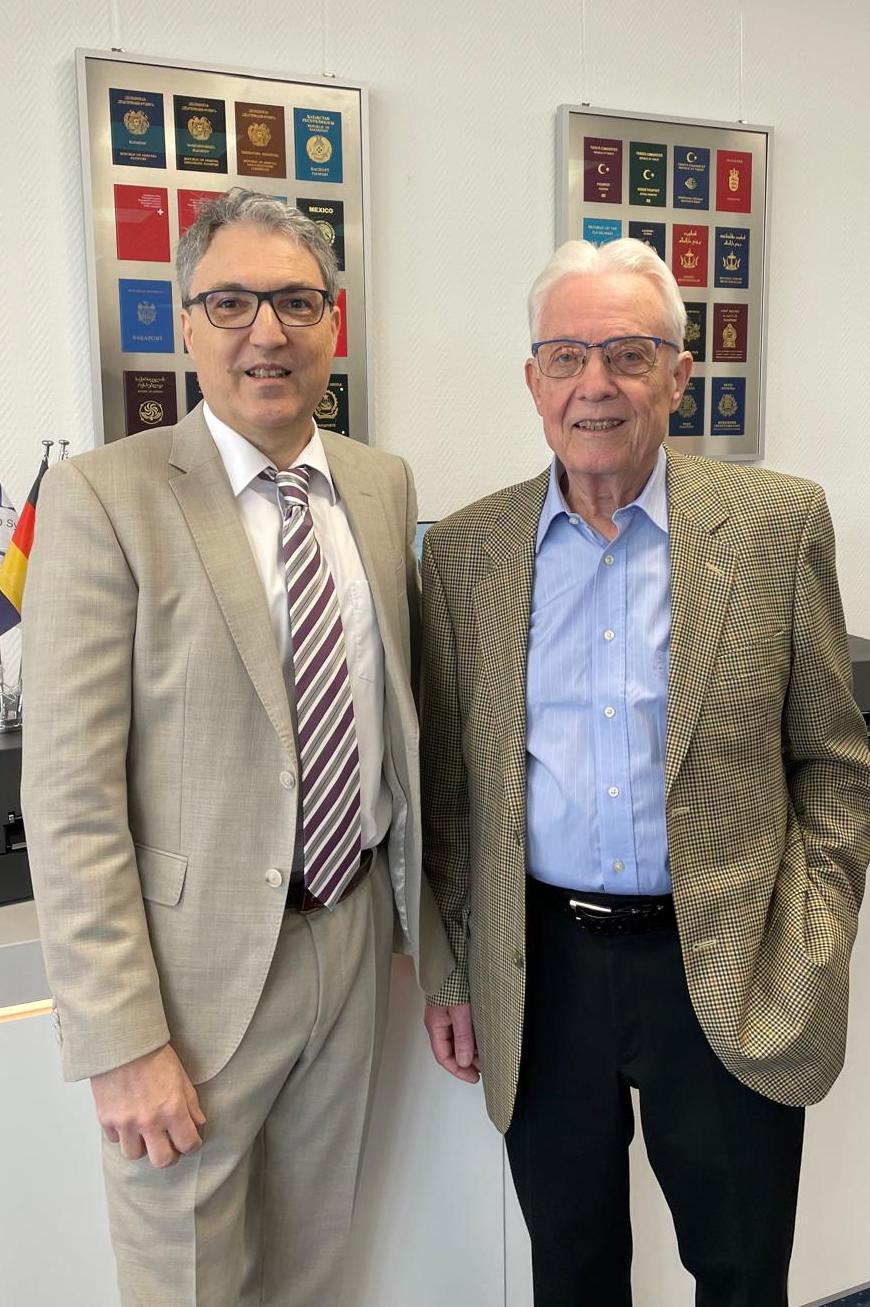
“Customers wanted passport typewriters,” recalls the senior boss. So they initially imported models from Switzerland. But these machines were bulky, as big as a table, expensive and cumbersome to operate. “It quickly became clear to me that we could do it better. ”
The decisive step toward becoming a global market leader came with a passport printing machine developed in-house that used so-called check writing—a particularly secure typeface consisting of fine dot structures that were imprinted into the paper upon impact. The model was extremely successful. “That was the moment we realized: We can do something that no one else can,” says Udo Nikolai. The company holds numerous patents for its inventions.
That is how the family-owned company became the market leader in passport personalization machines. “Whenever a border official scans a passport somewhere in the world, or a citizen holds their new document in their hands, there is a very high probability that Diletta was involved.”
Innovations thanks to customers and counterfeiters
Development was also driven by specific customer requests. In the time of the Shah, for example, Persia required passports in Persian script — and also in the unusual landscape format at the time. Until then, passports were only available in portrait format, i.e. upright. The implementation of these requirements was also a great economic success.
Over time, Diletta consistently specialized in passport and security documents. Technological development took place in stages. In the beginning, passports had to be inserted like stationery and described line by line — without standardized line spacing. This was followed by electrical machines, which were better suited to the passport pages. At the end of the 1970s, the first electronic systems with monitors appeared, followed by hybrid devices that combined writing and printing. In the 1990s, there was a breakthrough in inkjet printing — photos could be printed directly instead of glued in. In 2004, RFID technology came along with biometric data and integrated chips. With these innovations, the passport was fundamentally transformed from a simple booklet to a digitized security document.
The passport as a high-tech product
Today, a modern passport contains much more than just personal information. The inconspicuous chip, embedded between two pages, stores biometric data and makes the document machine-readable. There are also high-resolution inkjet printing processes using special security inks — including pigmented and fluorescent UV inks.
The design has also changed. The classic German passport with the green cover was in portrait format, which was later replaced by the so-called landscape format. This landscape format offers more space for security features and data integration.
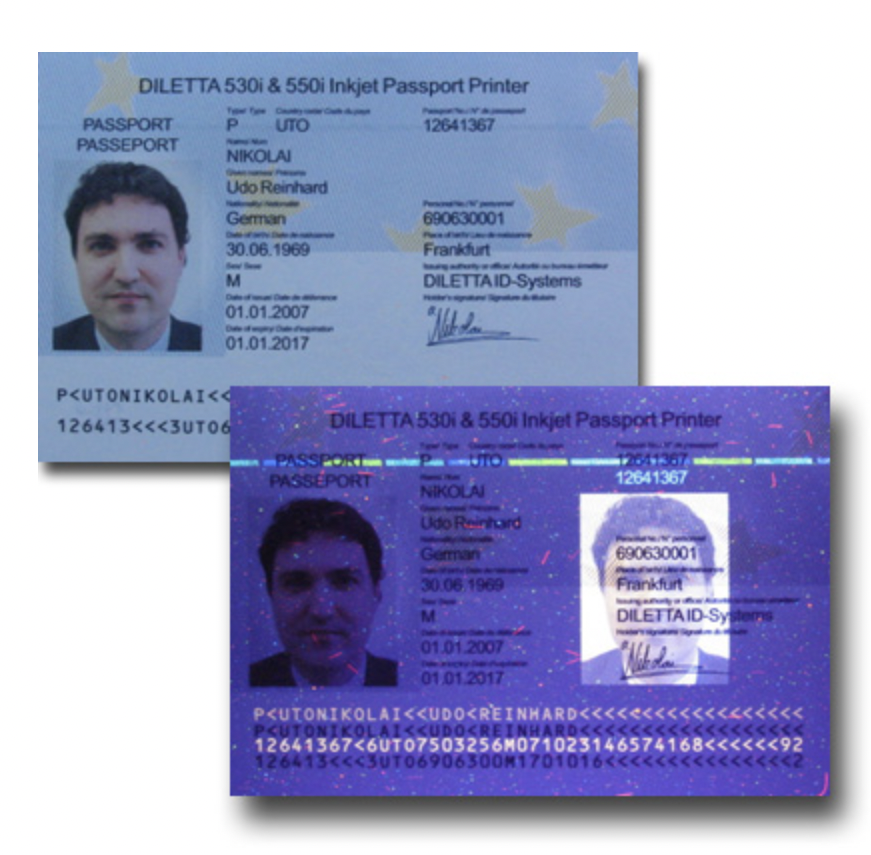
The personalised page is particularly important: it contains not only the visible photo but also an invisible image—a “ghost image”—that becomes visible only under UV light. Similarly, additional security features, such as a second passport number, appear only under the appropriate lighting. This multi-layered design makes it difficult even for sophisticated counterfeiters to replicate.
From manufacturer to system provider
What was once a small, owner-operated business has since grown into a global high-tech company. Today, more than 45,000 systems are in use across approximately 170 countries. The company’s portfolio has long since expanded beyond passport printers.
Diletta develops complete solutions for personalizing identity documents — including passports, identity cards, visas and driver's licenses. This also includes systems for civil status documents such as birth or death certificates — not to forget the certificates that diplo.news presented to the diplomats for successful participation in the media workshops.

In addition, there are technologies for border control: automated border control (ABC) systems, electronic gates (eGates)—familiar from airports—and mobile entry control kits. These portable systems combine passport readers, fingerprint scanners, and facial recognition in a rugged case. They enable identities to be verified quickly and reliably, even under difficult conditions. Since the company develops and manufactures all technical components in-house, it is completely independent of suppliers and unaffected by supply chain issues.
Security in the digital age
Modern electronic control systems at borders, airports, and train stations ensure faster processing and maximum security. This includes “liveness detection,” which prevents the use of fingerprints from deceased individuals. The passport, once a hand-stamped booklet, is now a complex digital and biometric high-security document. Eighty-year-old Reinhard Nikolai is still so captivated by mechanics and electronics that he comes to the factory almost every day: “I like working on the machines, handling the parts, always looking for improvements, and I want to provide inspiration.”
ekö
.webp)