diplo.news
120 Years of the Foreign Press Association: One of the World’s Oldest Journalists’ Associations
By Ewald König
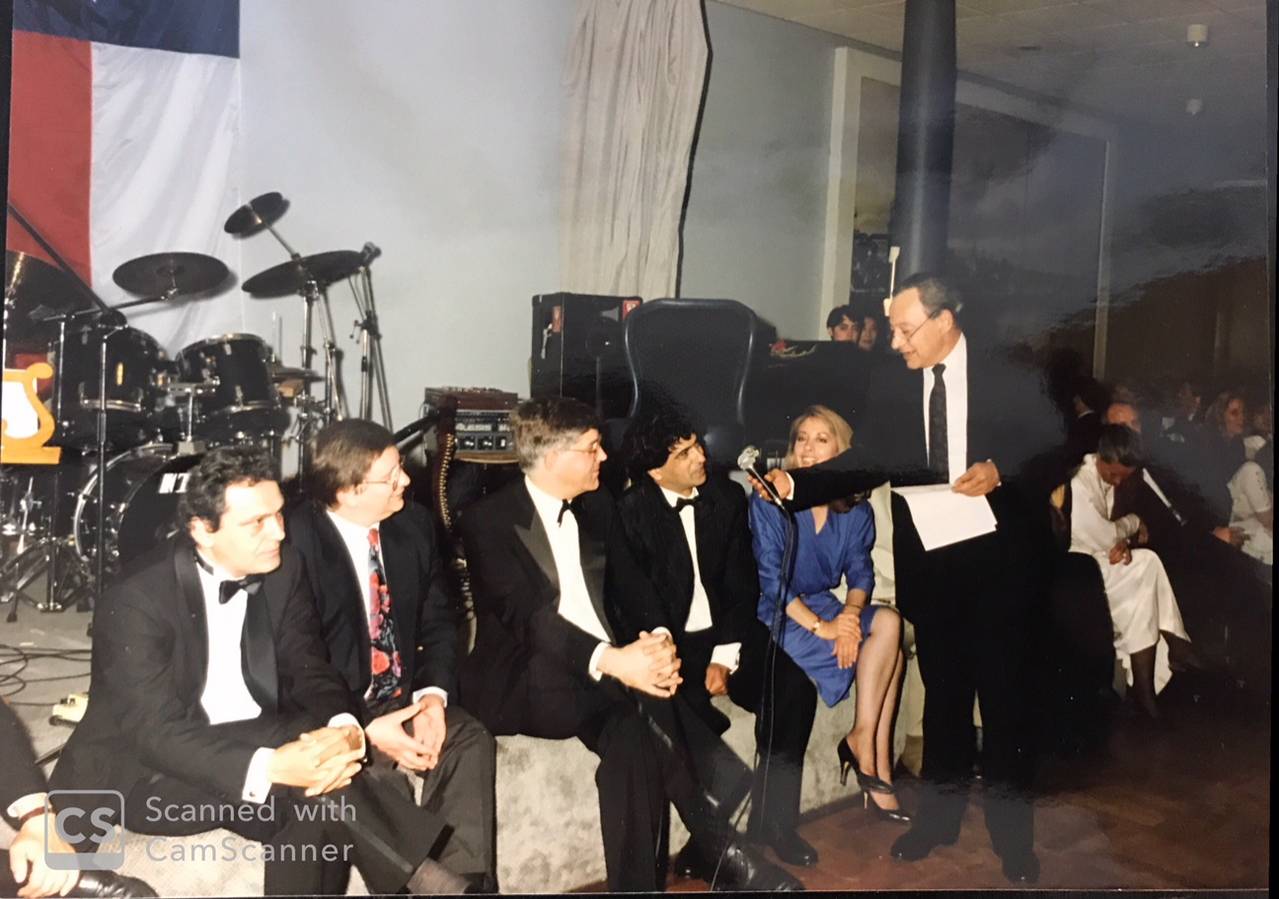
The Foreign Press Association (VAP) is the oldest journalists’ organization in Germany and one of the oldest in the world. As the correspondent with presumably the longest membership—since 1985, more than a third of the association’s 120-year history—I’ll take the liberty of tracing the history and present of the VAP.
THE BEGINNING
The VAP was founded in 1906 by one of my predecessors, who was then the Germany correspondent for “my” newspaper in Vienna. For 120 years, correspondents have been observing the country and its people. Since 1906, many thousands of foreign journalists have experienced Germany, described it in hundreds of thousands of articles, and thus helped shape the world’s image of Germany. There were 34 members when the association was founded in 1906. Currently, the Foreign Press Association has nearly 350 Germany correspondents from just under sixty countries. Nearly all foreign reporters accredited in Germany are also members of the VAP.
Founded by a Viennese
As an Austrian journalist, I have a special connection to the VAP. Not only because I’m probably its longest-standing member (since 1985) and served as the association’s chairman myself during the five turbulent years following the fall of the Berlin Wall, but also because the founding chairman was a colleague from Vienna who wrote for “my” newspaper. At that time, my newspaper was still called the Neue Freie Presse (founded in 1848); later, it became Die Presse. The quality newspaper for which I worked for nearly three decades as an editor and Germany correspondent.
Problems with the Berlin police
The colleague and predecessor was named Paul Goldmann; born in Breslau, he joined the editorial staff of the "Neue Freie Presse" in Vienna at the age of 25, and later served as a correspondent for the "Frankfurter Allgemeine Zeitung" in Brussels, Paris, and even China. In 1902, he moved to Berlin as a correspondent, this time once again for the "Neue Freie Presse".
After four years in Berlin, Goldmann and a few other foreign colleagues decided they needed to organize themselves more effectively in their dealings with the government and authorities in order to be treated better. The motivation for this was apparently problems with the Berlin police authorities.
“Notification received”
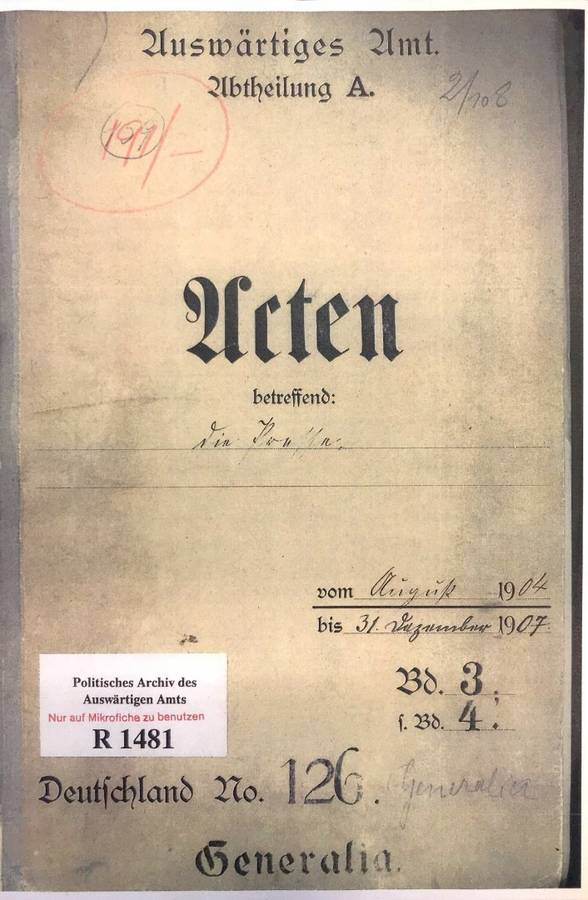
In a letter dated June 30, 1906, Goldmann notified the Foreign Office of the founding of the association. Goldmann wrote (in spelling at the time):
Ew. Hochwohlgeboren, we have the honor to make the resulting statement of the founding of our association, which comprises the majority of representatives of the foreign press living in Berlin. At the same time, we allow ourselves to include our statutes and list of members.
We ask Ew. Hochgeboren to kindly support our association, which sees its main task as making it easier for correspondents of foreign newspapers to carry out their work as reporters, in fulfilling this task.
With the request to kindly accept the assurance of our venerable devotion, The Association of Foreign Press, I.A.: Dr. Paul Goldmann, Chairman
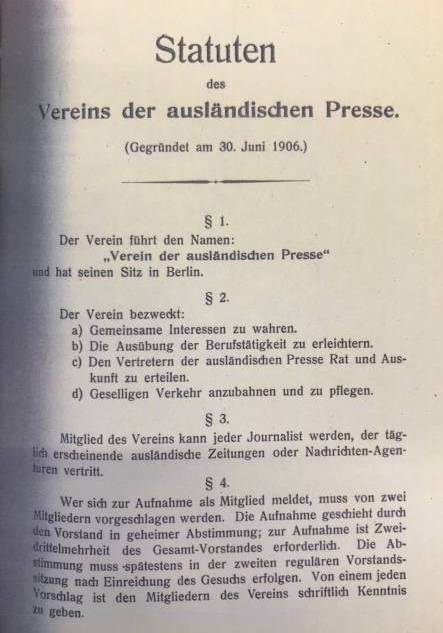
The letter was sent to the State Secretary of the Foreign Office, Heinrich Leonhard von Tschirschky and Bögendorff, Königgrätzerstraße 136, Berlin. The 26 paragraphs of the statutes and the names of the 30 members followed in the appendix.
Stilkampf im Auswärtiges Amt
The answer — read in the AA Political Archive — demonstrates a stylistic struggle. As a reply to Goldmann, the noble Secretary of State drafted: “I thank you for the friendly message of the founding of the 'Association of Foreign Press Association' and I ask you to accept my binding thanks and at the same time to wish the members of the association my best wishes for their prosperity and work.” Otto Hammann, then press officer at AA, simply brushed out these outpourings and suggested instead: “The association will certainly be very beneficial and I wish it every success and success.”
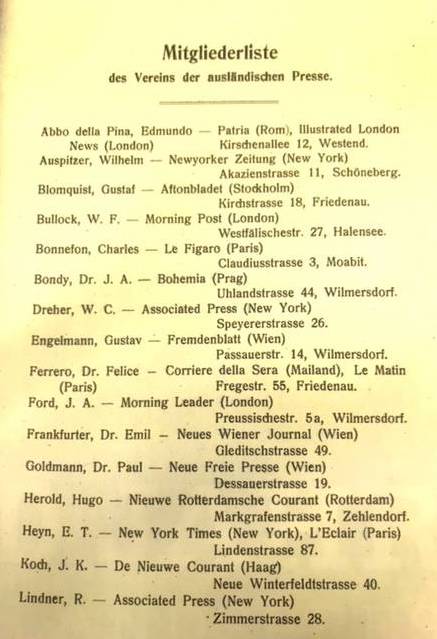
First meeting at Kaffeehaus Austria
Goldmann, then 40 years old, was the first chairman. He lived at Dessauer Straße 19. It is therefore not surprising that the first VAP General Assembly was held in Berlin's “Kaffeehaus Austria”. Apart from the chairman from Austria, the first board consisted of an Italian, a British, an American, a Russian, a Frenchman and a Swede.
Back then, a different chairman had to be elected every year so that no nationality came out on top twice in a row. Today, this rule no longer applies.
Board of directors with entertainment committee
Three other members even formed an “entertainment committee” whose task was to “initiate and maintain social intercourse.” Lunches with diplomats, beer evenings with politicians or dance teas with artists served as networking opportunities. Unfortunately, this committee has been lost over the course of the century.
20 imperial marks annual fee
At that time, the annual membership fee was 20 imperial marks. Today, colleagues pay 312 euros a year and can therefore take part in numerous talks — organized exclusively for VAP members — with top politicians, company leaders and experts, and sometimes even in field trips. It is not known whether they had their own appointments with political officials 120 years ago.
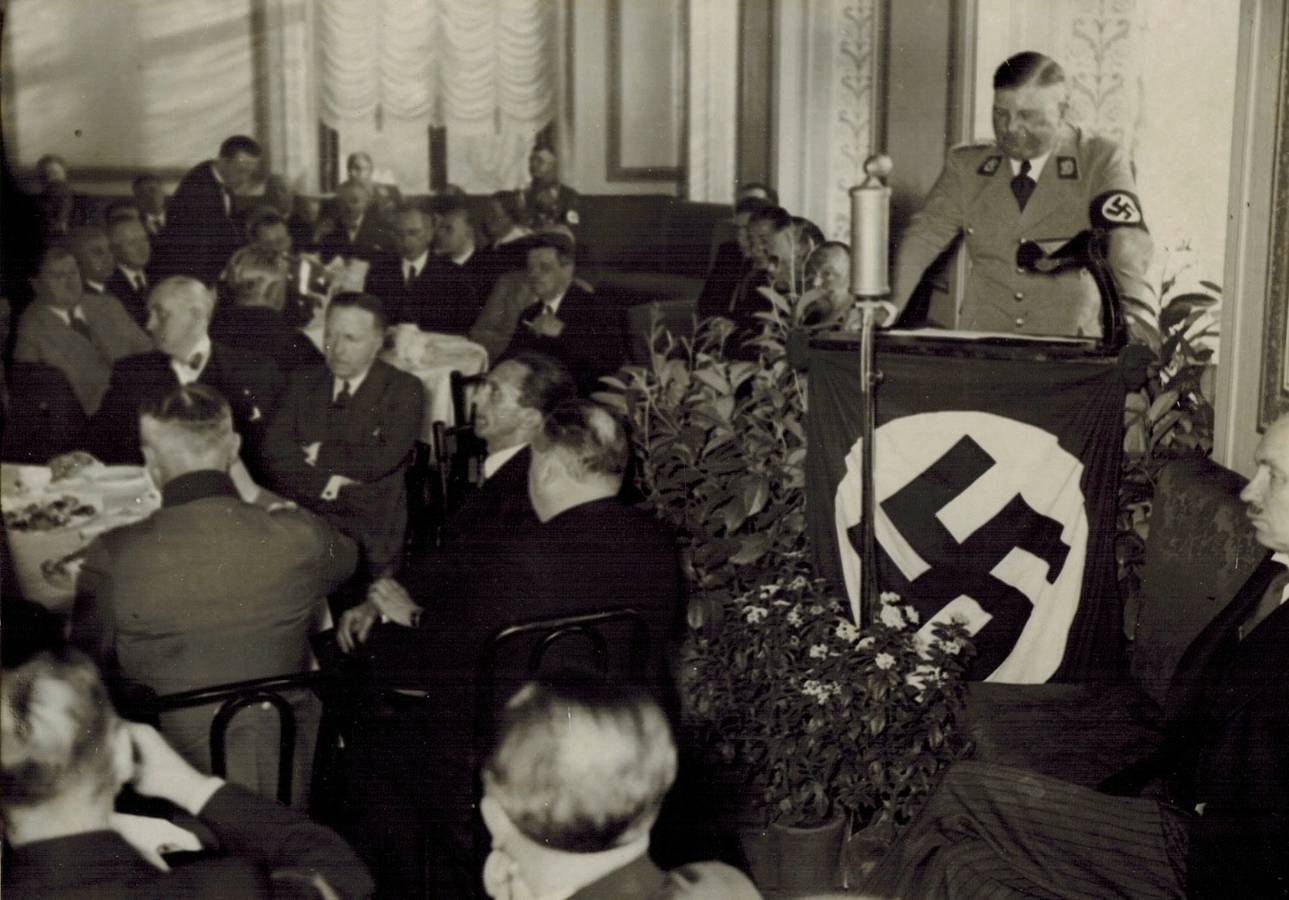
Harassment during the NS period
During the Nazi era, there was a number of harassment by propaganda minister Joseph Goebbels against the VAP. Correspondents were spied on and intimidated, some were expelled for their critical reporting or blackmailed with information about their private lives into writing more benevolently. Meetings between correspondents and informants became more difficult and dangerous. Yet the VAP retained its independence.
Warning reports not taken seriously
The vast majority of German correspondents from the free world condemned the events in the host country of National Socialism. But warning reports from many correspondents about developments in Germany were initially not taken seriously enough by many local editors. Some correspondents were able to make a big name for themselves with their reports from this period. But some also played a questionable role.
The club was dormant between 1945 and 1951. Thereafter — Germany was now divided into two states — two independent associations had to be founded: the nationwide responsible VAP at the seat of government in Bonn and the second, which was based in Berlin and was also open to foreign journalists who reported on the GDR from West Berlin.
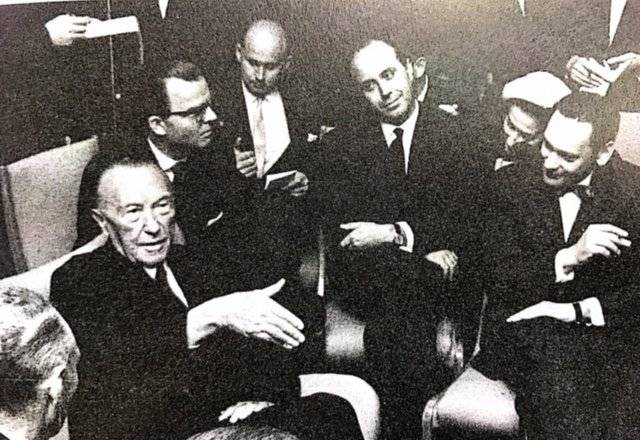
Message to Konrad Adenauer, Federal Chancellery Bonn
In 1951, the “Association of Foreign Press in Germany e.V.” was therefore founded in Bonn. On September 13, 1951, the American Emlyn Williams wrote a letter “To H.E. Federal Chancellor Dr. Konrad Adenauer, Federal Chancellery Bonn.”
In it, he described the founding as follows: “Your Excellency! The undersigned is honored to announce that at a meeting of foreign journalists in 'La Redoute, Bad Godesberg, on January 29, 1951, it was unanimously decided to form the 'Association of Foreign Press in Germany e.V. '. The seat of the association is Bonn.”
“As soon as conditions permit”
With a view to a possible reunification, it was already said back then: “It is the intention to let the Association of Foreign Journalists newly formed in Bonn take up the successor of the 'Association of Foreign Press on Berlin e.V. '”
Four seats were kept open on the first board — “in the hope and expectation that these places would be filled by two representatives of foreign correspondents in Berlin and Frankfurt.”
70 correspondents from seven countries had gathered at the founding. Together with the federal press conference (which is responsible for the German parliamentary correspondents), the foreign press was established in Bonn for the next four decades.
Unknown “general” in unknown Bonn
Small Bonn initially caused problems for the foreign press. No American, hardly any European, could do anything with the small town on the Rhine. Her reports therefore always began with “Bonn (West Germany).” It was only at the beginning of the sixties that this addition could be dispensed with.
Even the quoted press reviews from Bonn General-Anzeiger occasionally caused international confusion. This alleged “general” was unknown in state chancelleries around the world. They did not know how to assess their opinion.
The temporary solution in Bonn
In the beginning, only a few of the foreign journalists lived in Bonn. The housing options were not enough. And no one knew how long the temporary solution in Bonn would last. Many Englishmen lived in Düsseldorf, Americans in Frankfurt and French people in Koblenz.
Soviet correspondents came to Bonn in 1955. They too were included in the VAP, but only after lengthy discussions.
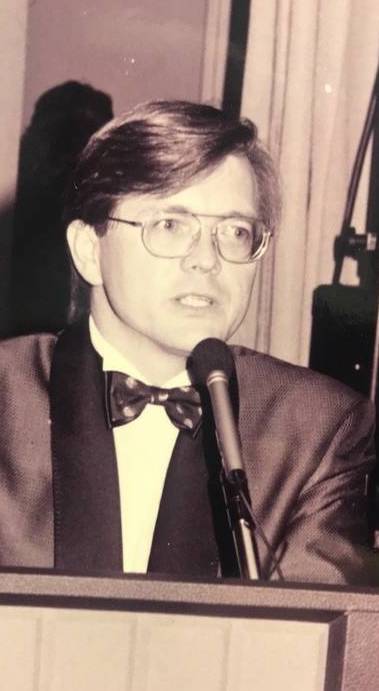
In the shadow of China policy
The VAP had to demonstrate its independence time and again. When the US and other nations' China policy changed, the VAP should expel correspondents from the Republic of China (Taiwan) before journalists from the People's Republic of China would join. But the VAP did not yield to these demands. After a long tug-of-war, the correspondents sent by Beijing finally accepted their colleagues from Taiwan and joined the VAP.
GERMAN-GERMAN
The GDR correspondents in Bonn
The West German correspondents who reported from the GDR — Karl-Heinz Baum, Dieter Bub, Joachim Jauer, Lothar Löwe, Fritz Pleitgen, Peter Pragal, Claus Richter, Dirk Sager, Michael Schmitz, Peter Jochen Winter and others — were quite famous. In contrast, almost nothing was known about the East German correspondents who reported from the Federal Republic of Germany.
When the Wall fell in November 1989, the following correspondents from GDR media were active in Bonn: The couple Horst and Ilse Schäfer for the General German Intelligence Service (ADN), the couple Hans-Werner and Gabriele Oertel also for ADN, Dr. Lutz Renner and Klaus Unzu for GDR television, Alfred Fleischhacker for GDR radio and Werner Otto for the New Germany.
Reports from other German countries
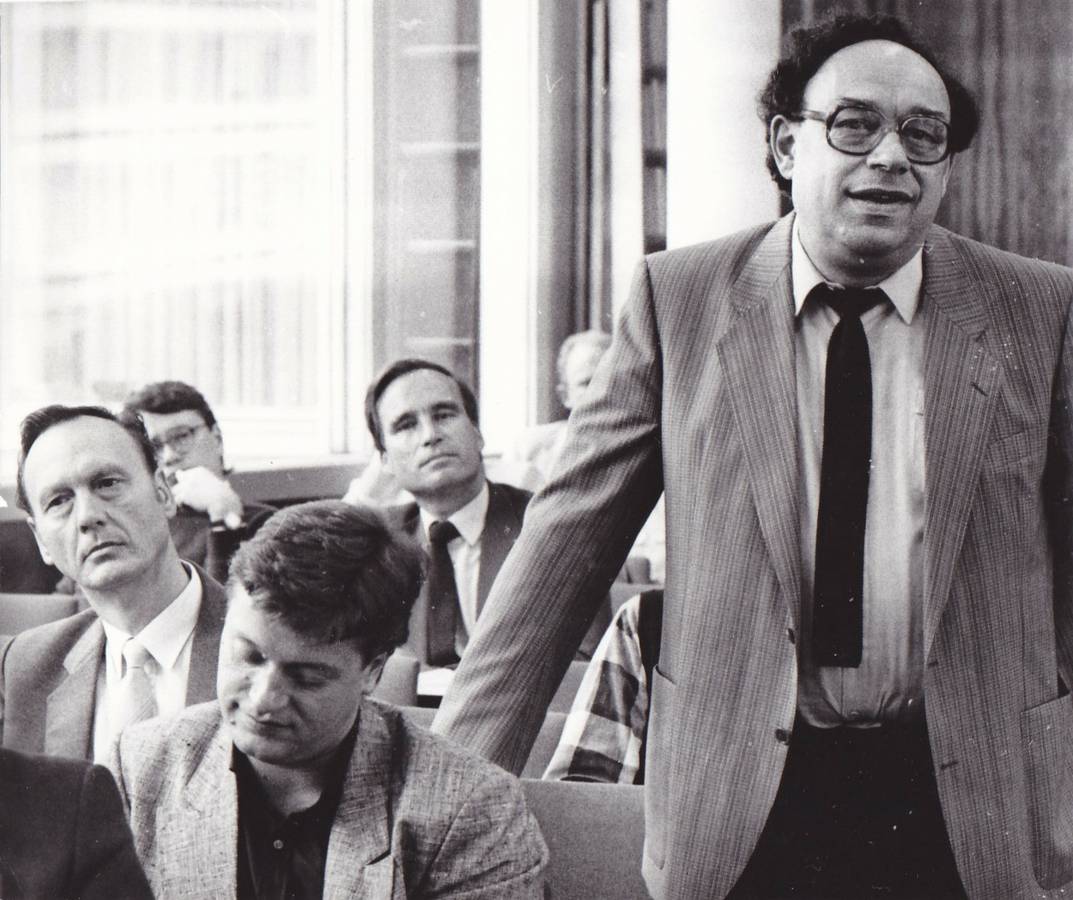
As a long-time VAP chairman, I knew most of them personally. One person who would have liked to be in Bonn at that time, but was no longer allowed, was Ralf Bachmann. The ADN- The correspondent was one of the most popular colleagues in Bonn. It was exciting to listen to him share anecdotes or background information in the corridors of the press house — quite cautiously yet daring. But his openness became a threat to him. He and his wife Ingeborg fell into the mills of the secret services on both sides and discredited at home. They were ordered back to East Berlin as early as 1987 — against their will and completely unprepared.
The Federal Republic of Germany as a woman without a lower abdomen
The GDR journalists were not explicitly forced to lie, as they told me later, but indirectly by concealing truths. Ralf Bachmann: “We showed the Federal Republic like a magician the lady without a abdomen.” But since most GDR citizens (forbidden) had West German television as a source of information anyway, the restricted coverage was “utter nonsense.”
Hidden truths, lost interviews
The GDR colleagues had the worst memories of those polemizing articles that were not written by themselves but had appeared under their name. The “ghost writers” sat in the Politburo and in the Central Committee. It was just as bad when they conducted interviews with German politicians but were displeased with their statements at headquarters and the interviews therefore disappeared.
Bonn was not attractive for GDR writers
Of all correspondent places, Bonn was one of the most important for the GDR, but not the most popular. Some of the GDR journalists had even resisted the transfer to Bonn. After other stops abroad, they did not want to go to the “stubby provincial nest” on the Rhine. They also found it bitter that they had to leave their children behind in East Berlin, as a pledge, as it were.
Tapped from both sides
The constellation of West German correspondents in the GDR and GDR correspondents in West Germany was probably unique in the world. They were shadowed by the host country, but also watched by their own people, and they had a self-evident reputation for espionage missions. In their homes, all conversations were intercepted — by the secret services of both sides.
The red pencil was forbidden
There were a number of language rules for GDR colleagues. There was a so-called taboo book from East Berlin for this. Reports of incidents at the Wall, disagreements among West German peace movements, criticism of the Chinese leadership or of Willy Brandt and at times even of Bavaria's Prime Minister Franz Josef Strauss, who had arranged the famous billion-dollar loan, were taboo. They were never allowed to use the word “red pencil” in reports of cancellations in the Bonn household. Reports about West German landscapes were also prohibited; they could have promoted the wanderlust of the GDR citizens.
Domestic or foreign press?
A little-known piece of German-German media history: Until recently, it was disputed whether the East German correspondents who reported from the Federal Republic should belong to the domestic or foreign press. Their membership was hotly debated. The GDR journalists certainly did not want to participate in the federal press conference of the federal German parliamentary rapporteurs; this would have been incompatible with the GDR's self-image as a sovereign foreign country.
Reservations in Bonn
However, there were major reservations in Bonn's political scene against joining the foreign press: Germans in Germany as foreign journalists, the Federal Republic of Germany and the GDR for each other abroad, that was unimaginable in Bonn with regard to the goal of reunification. For a long time, the Federal Press Office was not prepared to accredit journalists from the GDR as foreign correspondents.
Cessation by basic contract
VAP board member Werner A. Perger, journalist from Austria, also correspondent for my newspaper at the time The press, found a way for GDR colleagues to become members of the Association of Foreign Press with the help of the 1972 Basic Treaty. The fact that the relationship between Germany and the GDR relaxed somewhat with the social liberal coalition under Willy Brandt was also reflected in the media policies of both sides.
Players in German-German politics
As a result, East German journalists in West Germany were able to work as foreign correspondents after all. That was very important to them. Not only because of the association's meetings with politicians, but because they were perceived as representatives of an independent state. The GDR correspondents from the Federal Republic of Germany and the Federal Republic of Germany correspondents from the GDR were ultimately themselves actors of German-German politics.
Same rights, same obligations
In the VAP, the GDR correspondents had the same rights and duties as all other 500 correspondents from 70 countries around the world. There were no preferences or restrictions. The only advantage was their language. Other foreign correspondents had to struggle with German as a foreign language in the host country.
Sensitive press events
GDR journalists were not excluded from controversial background discussions with politicians, from press trips to federal states, from election parties at party headquarters or from VAP appointments at the Federal Criminal Police Office, the Federal Intelligence Service or the Protection of the Constitution. As a professional association of the world press, the VAP would not have accepted differential treatment of its members. The GDR colleagues also did not agitate ideologically with their questions at political meetings.
Access to the government press conference
As members of the VAP, they also had normal access to government press conferences at the federal press conference. Only members of BPK and VAP have this access. They were even allowed to take part in the Federal Press Ball, one of the most important social events of the year with close proximity to political celebrities, as VAP members. However, they rarely made use of them; the ball cards may have been too expensive for them.
THE TURN
Exclusion at midnight
However, at midnight on October 2, 1990, these colleagues had to leave the VAP. Because at midnight on October 3, the Day of German Unity, foreign correspondents had suddenly become domestic journalists. Membership was therefore automatically terminated. For them, joining the Federal Republic of Germany meant leaving the VAP.
One of the GDR correspondents, Horst Schäfer from the East Berlin news agency ADN, was even a member of the VAP board in 1990. He had run for this position and was actually elected by the majority at the general meeting prompt, although there was an opposing candidate. In itself, a normal democratic process — and yet a German-German political issue. That was right in the first of my five years as president.
Historic moment in the German media sector
On October 2, Schäfer had to resign from the VAP Board of Directors as a new German citizen. He would have preferred to remain a foreign correspondent for the GDR. The historic moment and the formal invitation of GDR colleagues were worth a joint drink of sparkling wine for me as chairman. In the last board meeting with Schäfer, we toasted the end of a VAP chapter and wished him and his colleagues all the best for the future.
Schäfer back then: “The great pain that I had lost the entire GDR overlaid the smaller one, namely having to leave the VAP. I enjoyed working there and was also a bit proud of it.”
On October 3, the member with the next higher number of votes automatically moved on to his vacant position on the Board of Management; it was his American colleague Don Jordan, the exact opposite ideologically.
Mistrustful federal press conference
However, the GDR journalists were not automatically accepted as members of the federal press conference. There was no special arrangement for them. They had to reapply for membership. Many of them found this humiliating.
Fall of the Wall and World Press
After the fall of the Wall, the number of VAP members skyrocketed. Reunification put Germany at the center of world interest. Many media companies sent reporters to Bonn and Berlin, while others expanded their existing correspondent offices.
In 1991, when the “Mini-UN” celebrated its 40th anniversary in Bonn, almost 500 journalists from 66 countries were members of the VAP. The number later leveled back to 420, and currently there are only 350.
“Immediately, immediately” — myths and facts
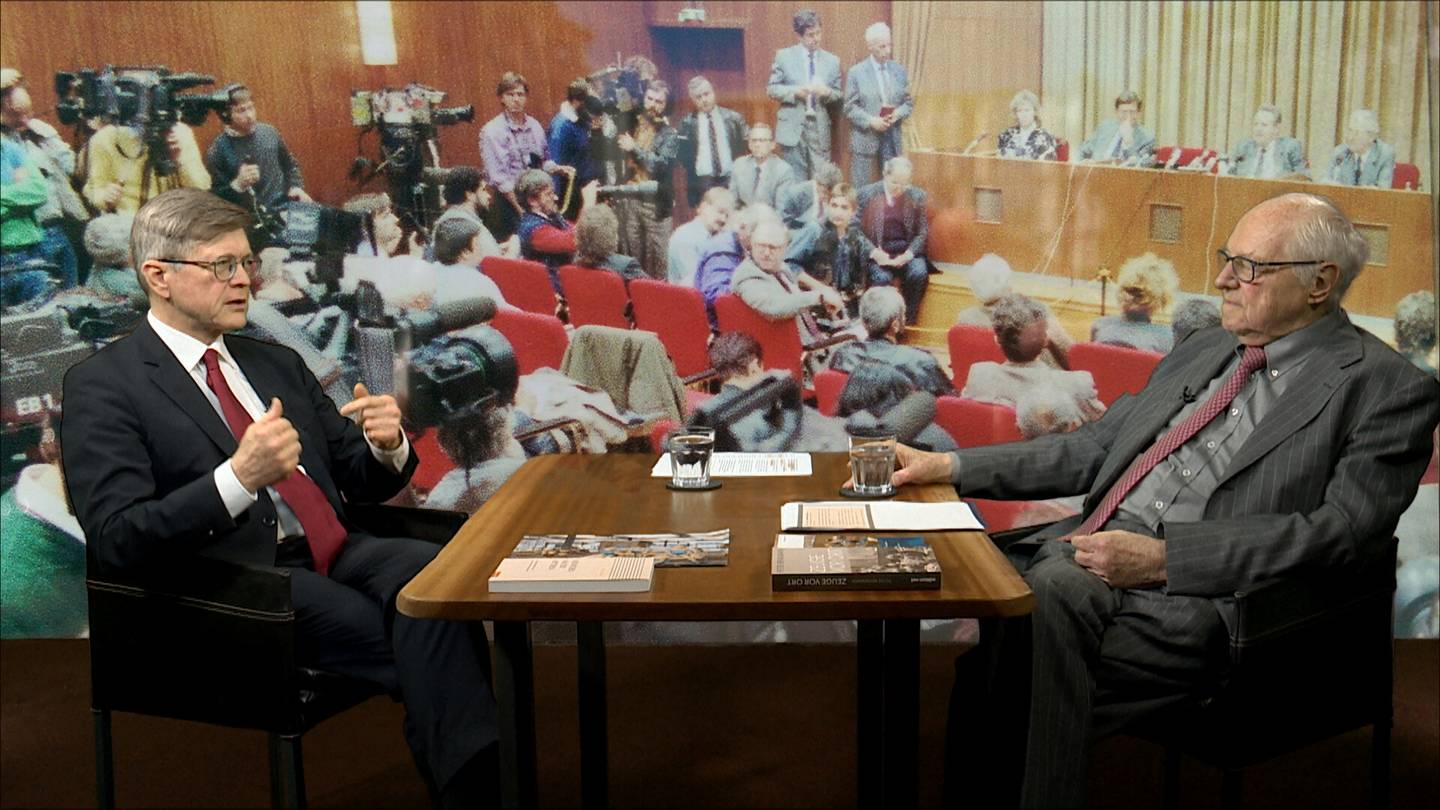
A VAP member played an important role in the fall of the Wall. The most important press conference in post-war Germany was probably that of political office member Günter Schabowski on November 9, 1989. Riccardo Ehrman, correspondent for the Italian news agency ANSA, focused on the new travel regulations in the GDR in the 53rd minute. That is undoubtedly his merit, albeit the decisive additional question “When does this come into force? “, which triggered Schabowski's historic answer “... immediately, immediately,” did not come from him — even though he had maintained this for decades. It actually came from German “Bild” journalist Peter Brinkmann. But at least it was a foreign correspondent who helped German history on the eve of the fall of the Wall.
Astonishing survey: Bonn or Berlin
As chairman, in 1991, I had Bonn office manager Marion Hoffmeyer do a survey among my fellow correspondents about the outcome of the capital city decision and the question of the government seat. I also wanted to know what they personally would prefer.
As a supporter of Berlin, the result was astonishing to me: The majority of Bonn's VAP members expected that the Bundestag's capital decision would be in favour of Bonn. And the majority of correspondents also voted personally to remain in Bonn. They should be wrong.
Berlin VAP branch
In order to increase my work in Berlin, I opened a separate branch office for the Bonner Bundes-VAP in Berlin — in the building of the International Press Center of the GDR (IPZ) on Mohrenstraße (which is now called Anton-Wilhelm-Amo-Straße) where Günter Schabowski had held his historic fall of the Berlin Wall press conference. In this branch office, we shared a secretary with the branch office of the Federal Press Conference.
This branch had become necessary because working with the existing local Berlin VAP was anything but easy at first. The Berlin VAP had obviously assumed that the Federal VAP would disband and opposed any cooperation. The atmosphere was characterized by jealousy and slander. The relationship only gradually relaxed. Only after the government relocation in 1999 — a full ten years after the fall of the Wall! — the two associations united to form a single VAP, which of course took up its seat in Berlin.
PRESENT TENSE
Half of colleagues from Western Europe
The vast majority of colleagues currently work in Berlin, a few are based in Bonn, a few in Cologne or Düsseldorf, some in Frankfurt am Main (with a focus on financial policy and stock exchange events), some also in Munich or other cities.
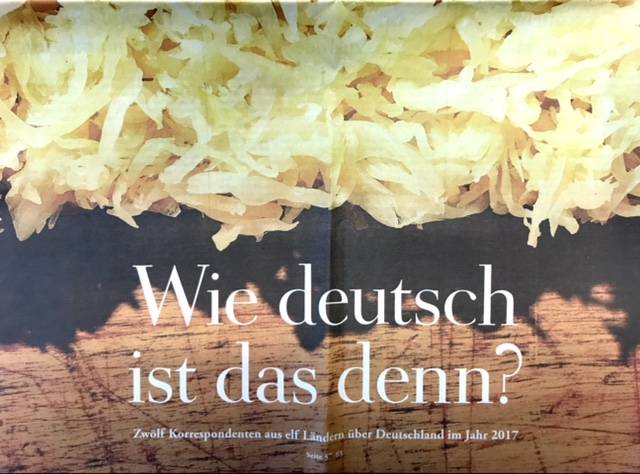
Half of foreign journalists work for Western European media, followed by the USA and Asia, especially Japan. Some correspondents are not only responsible for Germany, but also for half of Europe.
The number of Eastern European rapporteurs is disappointing, and very few colleagues report for Latin American or African media. For example, such large countries as India, the most populous country in the world with just under 1.5 billion people, or Pakistan (260 million) or Nigeria (245 million), do not have a single media representative who reports from Germany. That says a lot.
Trend towards free
Regine Standke, office manager at the VAP until the end of 2019, has been recording how the working conditions of correspondents are changing for years. In the past, almost all of them were employed by the medium that sent them to Germany, but today there are more and more freelancers. The typical freelancer is on average younger than the typical permanent employee. This is cheaper for publishers. And which country they come from is increasingly of secondary importance. Standke names Frenchmen who write or broadcast for British, British, American and American media.
Foreign press ball with cabaret is a thing of the past
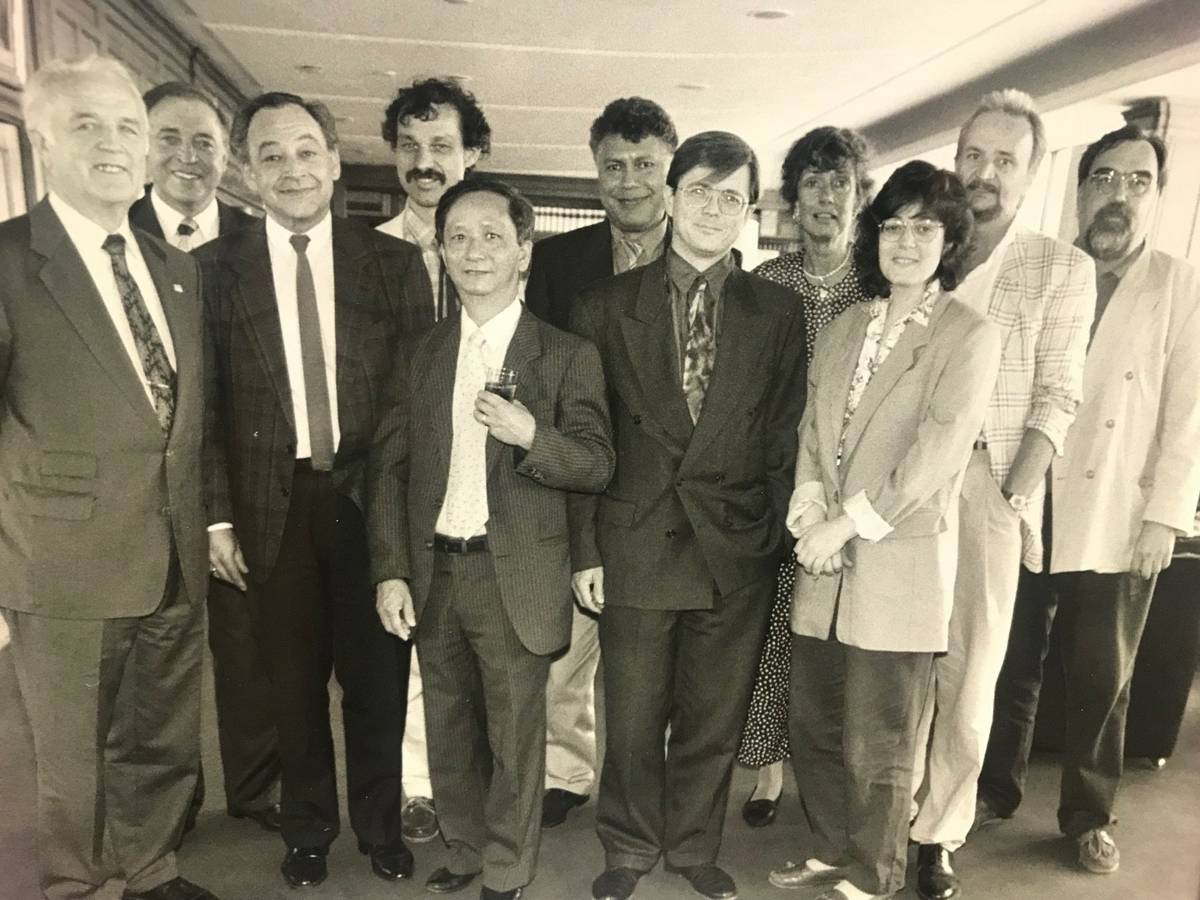
The foreign press ball, which the VAP organizes every year at the American Club in Bonn and which had established itself as the friendly little brother of the federal press ball, did not survive the capital company's move to Berlin any more than the VAP Entertainment Committee at the beginning of the 20th century.
That is a shame, as the cabaret contributions also disappeared as a result. At the foreign press ball in Bonn, colleagues who were legendary by Werner Höfers”International morning pint“had become quite prominent, reenacted exactly this successful TV talk show. Don Jordan, the paramount American par excellence for decades, acted as a presenter and asked his colleagues provocative questions, which they answered quickly in their various accents. In doing so, German domestic politics and international relations were taken on the shovel.
Dance? Raffle? Improvised cabaret? Just as unthinkable today as Werner Höfer's real international morning pint at the time, where people drank wine and smoked cigarettes in the television studio.
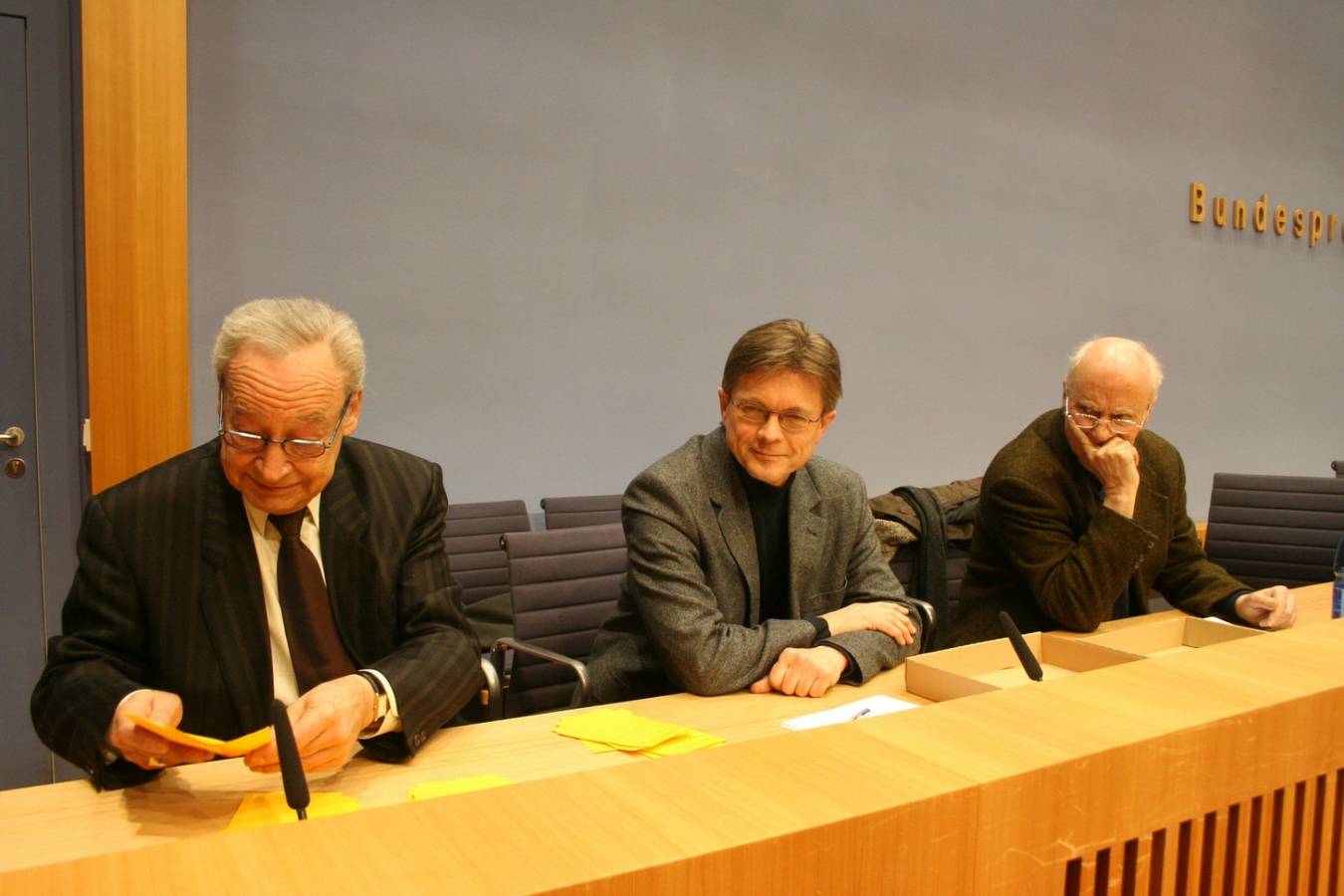
The current board (elected in spring 2026):
The current board of the VAP consists of Tomasz Lejman (President, from Poland) Ursula Moreno (Deputy, from Spain), and Uski Audino (Italy), Rob Savelberg (The Netherlands), Pascal Thibaut (France), Maria-Paz Lopez (Spain) and Irene Anastassopoulou (Greece).
Will our successors still be able to toast the 200th anniversary of the VAP in 2106? Does the profession of traditional correspondent even exist then? Who will one day paint which picture of Germany?
Copyright: diplo.media GmbH
QUOTES
It is by no means irrelevant how the world views us. Because how the world sees us, it will assess and treat us.
(Willy Stiewe, author of the book “So sieht uns die Welt — Deutschland im Bild der Auslandspresse”, 1933)
The foreign correspondents bring their perspective and the way of asking questions from their respective home countries, and these can be refreshingly different from the local media scene.
(Federal Chancellor Angela Merkel on the 100th anniversary of the VAP)
Germans are very inward-looking and therefore like to ask us foreign journalists how they are perceived from the outside.
(Pascale Hughes, correspondent for Le Point, France)
The members of the International Press Association have one thing in common: They are all ambassadors of Germany. Her analysis of what the Federal Republic is doing shapes the world's image of us. They 'translate' Germany and make our country understandable to their readers abroad.
(Frank-Walter Steinmeier, then Foreign Minister, on the 100th anniversary of the VAP in 2006)
The Federal Republic and in particular the federal capital are fortunate to consistently find “good press” in the world, because the world sends good journalists to Germany.
(Werner Höfer, presenter of the international morning pint, 1981. Bonn was still meant by “federal capital”)
Only the best are sent to Germany.
(Bernd Fischer, Ambassador and former Chief of Protocol)
German leaders, whose country is becoming increasingly important internationally, should not only have short-term goals in mind in their media relations and in domestic politics, but should also take into account that the foreign press, with its necessary independence, is part of German foreign policy.
(Pascal Thibaut, correspondent of Radio France Internationale (FRI) and long-time chairman of the VAP)
For many journalists, this is the dream job: foreign correspondent. Far away from headquarters; news, analyses, reports and commentaries for politics, culture, business and sport; travel, research, access to the full range of topics. Correspondents are bosses in their own reporting area — hardly any other journalism job offers so much freedom and fulfillment.
(Stefan Cornelius in 2020, eh. Head of Foreign Policy Department at the Süddeutsche Zeitung, former correspondent, currently government spokesperson under Federal Chancellor Friedrich Merz)