diplo.news
Sanctions Against Russia Have Loopholes
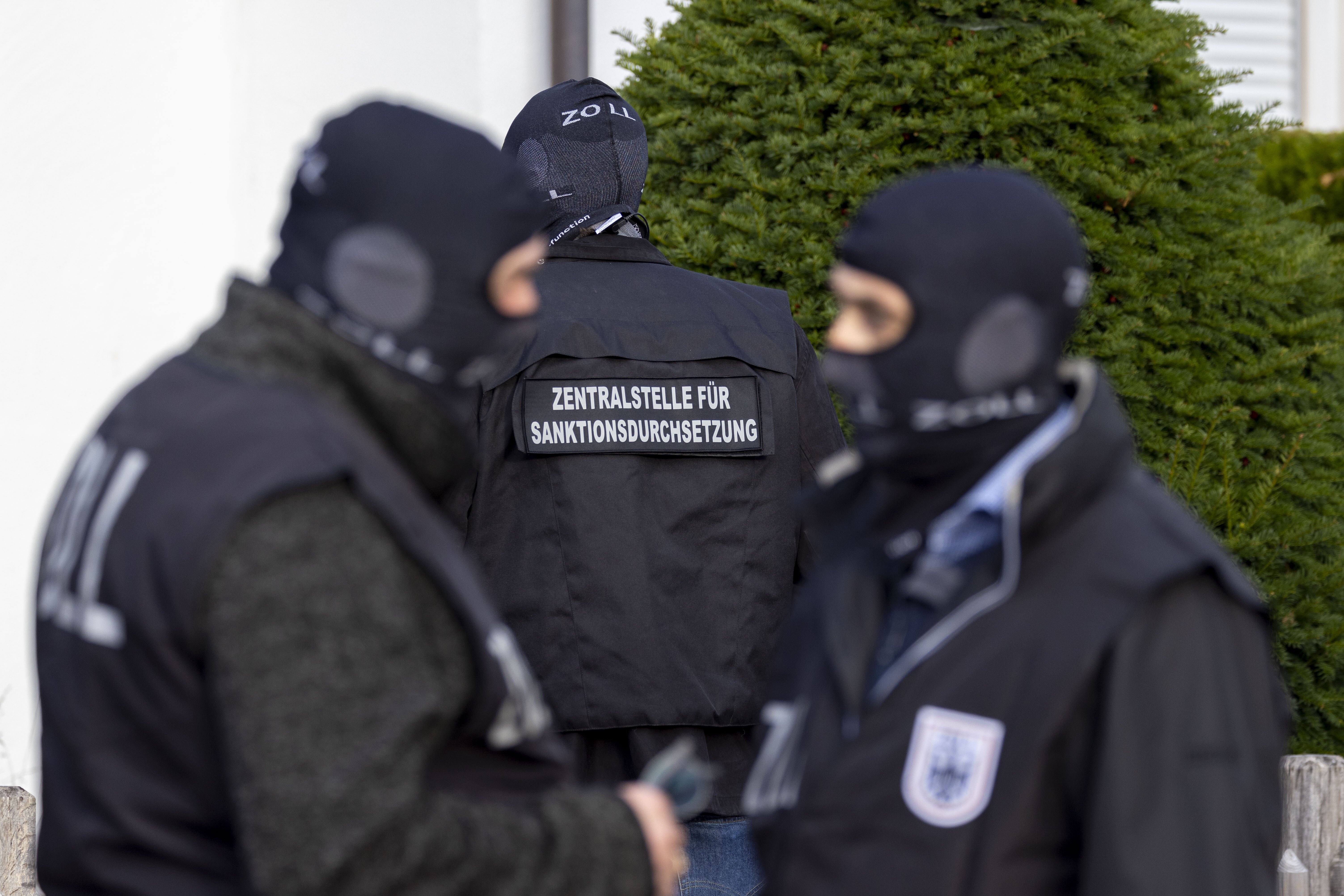
According to the European Court of Auditors, there are still too many loopholes in the implementation of EU trade sanctions against Russia that allow the sanctions to be circumvented and undermine their effectiveness. These include unclear EU legislation, which allows national customs authorities to interpret the rules in different ways, and vaguely worded exemptions that give member states room for interpretation, said Mihails Kozlovs, a member of the Court of Auditors, during the presentation of the organization’s latest special report. Companies then simply shifted their operations to member states with less stringent controls. Above all, the circumvention of sanctions via third countries such as Turkey, Georgia, or Kazakhstan remains a problem. The Court of Auditors’ report covers the period from 2021 to 2025.
The Court of Auditors also criticizes the European Commission’s assessment of the measures’ effectiveness, noting that the Commission has not established any criteria for this. As a result, it is difficult to assess to what extent the sanctions are actually achieving their strategic goal—namely, limiting Russia’s ability to continue the war against Ukraine. Other critics of the comprehensive sanctions have long argued that even the toughest sanctions rarely lead to behavioral changes in autocracies.
Nevertheless, the EU’s 21 rounds of sanctions to date have led to a drastic decline in the volume of trade with Russia. While the volume stood at 252.8 billion euros in 2021, it is projected to fall by three-quarters to 58.3 billion euros by 2025. This represents 10.2 percent of Russia’s foreign trade. As a result, while the EU is no longer in first place, it still ranks third on the list of Russia’s trading partners. Moscow partially offset the loss of trade with Europe through significantly increased trade with China and India, the latter primarily linked to oil exports. However, the Luxembourg-based institution did not examine the status of energy supplies in its report. According to Kozlovs, the situation in this area is highly dynamic, partly due to efforts to combat Russian “shadow tankers,” and the Court of Auditors feared that the analysis might already be outdated by the time the report was published.
2,600 anonymous tips regarding sanctions evasion
According to auditors, direct exports of dual-use goods and defense-related high technology from the EU were, however, largely effectively prevented during the period under review, even though Ukraine has repeatedly discovered Western components in, for example, Russian drones or missiles. That said, according to Kozlovs, it is difficult to track cases in which Western subsidiaries manufacture products in countries that are not participating in the sanctions against Russia. Since Russia’s invasion in 2022, the Court of Auditors has observed a sharp increase in trade in key industrial goods between Armenia, Turkey, and Kazakhstan and the EU (imports) on the one hand, and with Russia and Belarus (exports) on the other.
The EU apparently has few means to counter the circumvention of export restrictions by these so-called “platform countries”—in addition to those mentioned above, primarily Georgia, Serbia, Kyrgyzstan, the United Arab Emirates, and Uzbekistan. The role of the international special envoy for the implementation of EU sanctions is narrowly defined, according to Kozlovs, and essentially limited to diplomatic talks. At least some countries promised, following such talks, to exchange data on the re-export of goods to Russia, thereby making it possible to monitor circumventions.
In 2022, a “whistleblower tool” was introduced that allows for the anonymous reporting of sanctions violations. By August 2026, 2,600 reports had been submitted through this tool, of which approximately 260 were forwarded to national authorities. However, the Court of Auditors has no information on whether or how these authorities subsequently took action against such circumventions. The three Baltic EU member states appear to be taking the most consistent action against sanctions circumvention. In 2024, they agreed on uniform customs controls through the “Baltics Customs Initiative” and introduced significantly stricter documentation requirements. Poland, Finland, and Croatia have since joined the initiative.
The full special report of the European Court of Auditors can be found here: EU trade sanctions against the Russian Federation
gd