diplo.service
Who should I invite? And what should I serve?
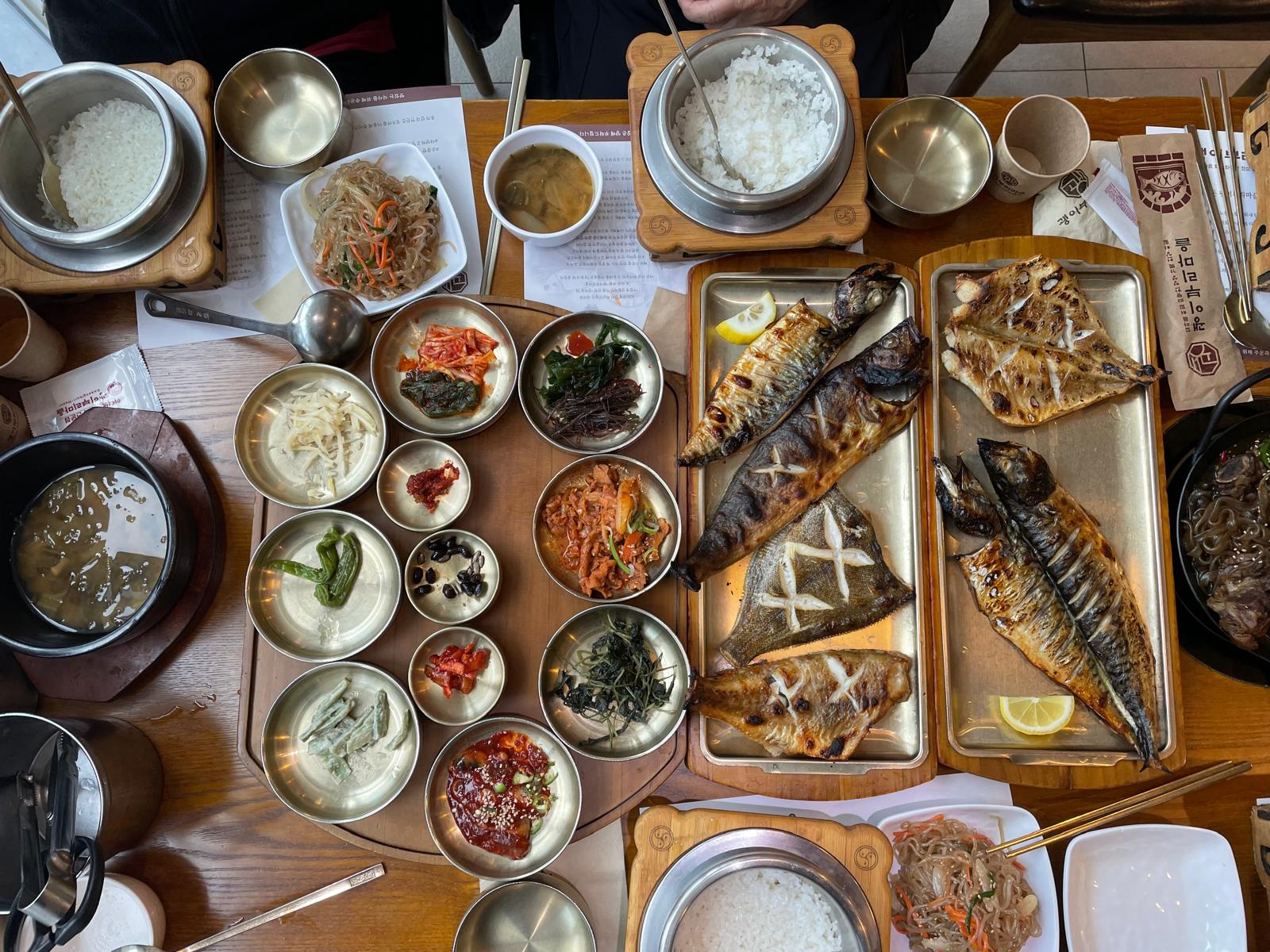
Choosing the guests is usually not difficult: We invite the friends we want to see. If necessary, we also consider whether they get along well with each other. And, of course, we take into account whom we should reciprocate a dinner invitation to. Because an old rule says that you should respond to a dinner invitation with one of your own.
This may not always be easy, as it can make putting together the guest list more difficult, but it is a kind of obligation. You can only disregard this rule with very close friends, for example, if you know that one of them doesn’t have the means to host a meal in the same style as you.
Private and Professional Invitations
Special rules apply to professional invitations. One is that you should not be the first to invite your boss; instead, you must leave this initial step of private social contact to them. Only careerists do otherwise, attempting to 'invite their way up'. Usually without success.
Even if your boss invited you first, it's not guaranteed that they expect a return invitation. As an ambassador, I (like many of my colleagues) invited all embassy staff and their families to a Christmas party every year. But of course, I didn't expect all 50 or 60 people to respond with a return invitation.
When I worked for Federal President Johannes Rau, he invited the department heads of the Office of the Federal President to his birthday party, an event usually attended only by his family, old friends, and political allies. I considered this a great honor and a warm-hearted gesture, but it never occurred to me to invite him to my own birthday or any other occasion. He certainly didn’t expect that either; his evenings were already packed without my invitation. So you have to think carefully about whether your boss really wants a private invitation in return.

Here is a sample invitation card without official trappings like job titles and academic degrees, which I consider appropriate for inviting friends.
Members of the Bundestag could add "MdB" after their names, but that's about it. While no one is interested in a doctorate, and it isn’t part of the name, few in Germany are willing to do without it (whatever the cost).
Main Course with All the Trimmings
The only exception is when the occasion is particularly distinguished and of interest to the guests. A German ambassador abroad, who usually hosts events in an official capacity, would place “The Ambassador of the Federal Republic of Germany” before his name. If he hosts the event with his wife, it would read “The Ambassador of the Federal Republic of Germany and Mrs. Beate Freudenreich,” meaning the ambassador’s own name is omitted. But that’s niche knowledge.
Once you've finalized the guest list, consider what food to offer. For lunch, a main course and dessert are sufficient; for dinner, an appetizer should be added. Only if you wish to be particularly lavish or if you are hosting an official event should you offer a three-course meal at lunch and a four-course meal in the evening.
For lunch, a light main course is recommended, such as a salad as a starter and fish or chicken; in the evening, the meal can be a bit heartier.
Order of Fish, Meat, and Speeches
If you offer meat as the main course, you can choose fish for the appetizer. For a four-course meal, a soup is a good option in addition to the main appetizer.
One can debate the order, but according to an old rule, one should start with a cold appetizer, as it can be placed on the table before guests are seated. Soups (as well as warm appetizers) should only be served once all guests are seated and one of the hosts has welcomed them. Otherwise, the soup will get cold, especially if the speakers go on and on; sometimes the welcome speech is immediately followed by the thank-you speech (which is a mistake, because how can you then praise the good food and the lovely atmosphere?).
The warm appetizer comes after the soup. If you're cooking yourself, it's advisable to plan a menu that can be largely prepared in advance, so the hosts don't have to keep excusing themselves to rush into the kitchen.
Alcohol: Old rules barely apply anymore
People drink much less alcohol today than they used to. Nevertheless, you will be offered wine—and beer upon request—at both lunch and dinner. The old rules about whether to drink red or white wine with certain dishes are losing their significance. In my opinion, rightly so.
Norwegians, for example, have always drunk red wine with certain types of fish; so the idea that it *must* be white wine with fish is only partially true. It depends on individual taste. Nevertheless, most guests will still expect you to offer (dry) white wine with appetizers and fish. You should keep red wine in reserve.
According to the old rule, white wine is served with light meats, such as poultry and veal. Red wine is served with dark meats, especially wild game. None of this is a strict requirement anymore, but it does reflect the expectations of most guests.
Cheese and something sweet to finish
So serve the wines “by the book,” but also point out alternatives. Sparkling wine or sweet wine is a popular choice for dessert. Red wine also pairs well with a sweet dessert; only white wine tastes sour in this combination.
Incidentally, the saying “cheese closes the stomach” does not apply to the sequence of courses. If you serve cheese and a sweet dessert—a proven way to extend the meal by one course—the sweet dish comes last. This will also suit the tastes of most people.