diplo.news
New Love in North America
By Dr. Philipp Reinhold, Europa-Institut, Saarland University
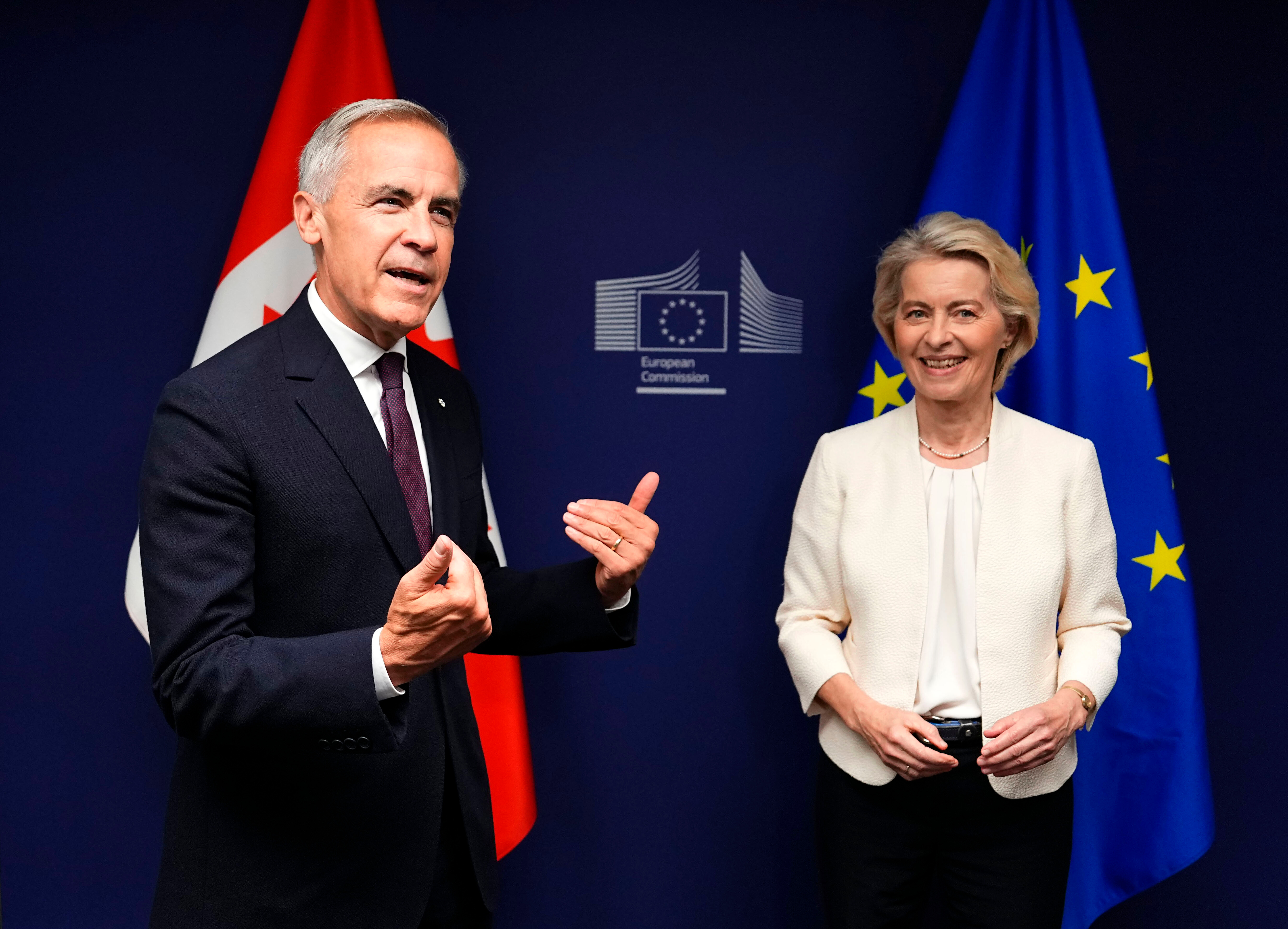
Her annual State of the Union addresses are always eagerly anticipated: In them, European Commission President Ursula von der Leyen typically seeks to provide new political impetus. In recent years, the EU’s assertiveness in a changing—and at times hostile—geopolitical environment has played a central role. In the middle of last week—in the presence of Canadian Prime Minister Mark Carney—she surprised everyone with a proposal for “associate membership” for the North American country, which has for some time felt economically and politically pressured by its neighbor, the United States.
Canada currently appears to be the EU’s preferred partner. However, the European treaties do not provide for associate membership. Instead, they provide for various forms of mutual integration, ranging from EU membership to individual sector-specific agreements. Regardless of the scope for maneuver under European law, however, the much more important question is which of the available forms of integration are politically desirable and feasible in the foreseeable future.
Philipp Reinhold, an expert in European and international law, analyzes what the options might look like for a closer relationship between the EU and Canada—which is at least 6,000 kilometers away—and which of them are realistic.
Why Canada in particular?
The experiences of recent years—in particular the global financial crisis, Trump I and II, China’s rise, the COVID-19 crisis, and Russia’s invasion of Ukraine—have made it clear to the EU how essential it is to strengthen its “strategic autonomy” in order to defend its own values and goals. Under the concept of “economic security,” it is also seeking to reshape its economic relationships, with a focus on security of supply and the security of critical digital and physical infrastructure. In this context, the EU refers to “trusted partners” with whom it seeks greater integration and coordination, while “high-risk countries/entities” are to be denied access to programs and critical sectors.
Unlike China and the United States, Canada has proven to be such a trustworthy partner and makes it possible to reduce critical dependencies, including in the area of raw materials. Other close partners of the EU include South Korea, Singapore, and Japan, with whom there is also a growing tendency to seek closer cooperation. Canada further distinguishes itself by having close cultural ties with EU countries and by participating in various political frameworks, such as NATO. Finally, Canada, in the person of its Prime Minister Mark Carney, is emerging as a pioneer in asserting itself against global power blocs.
Canada, too, has recognized the danger of excessive dependencies and sees the EU as offering significant potential for diversification as well as a partner in upholding the international order. U.S. President Donald Trump is likely a major factor in Canada’s efforts to become more independent. However, the collapse of the “old” order described by Mark Carney in Davos challenges his country as a whole to make political adjustments that can strengthen its own resilience and reduce critical dependencies.
Canada joining the EU? Probably not—especially for political reasons!
According to Article 49 of the Treaty on European Union (TEU), Canada’s accession to the EU would require the fulfillment of various accession criteria as well as the completion of an accession process. Article 49, paragraph 1 of the TEU states: “Any European State which respects the values referred to in Article 2 and is committed to promoting them may apply to become a member of the Union.” Against this backdrop, one could argue that Canada cannot join the EU simply because it is not a “European” state. However, the Treaties do not specify anywhere exactly how this criterion should be interpreted. Furthermore, Europe’s borders are not entirely clear-cut, making a precise definition of the term virtually impossible. With regard to the longest-standing candidate country—Turkey—this has always been a point of dispute. This suggests that the question of which state can be considered “European” must be decided politically through a comprehensive assessment of geographical, historical, cultural, political, and other aspects by the parties involved in an accession process.
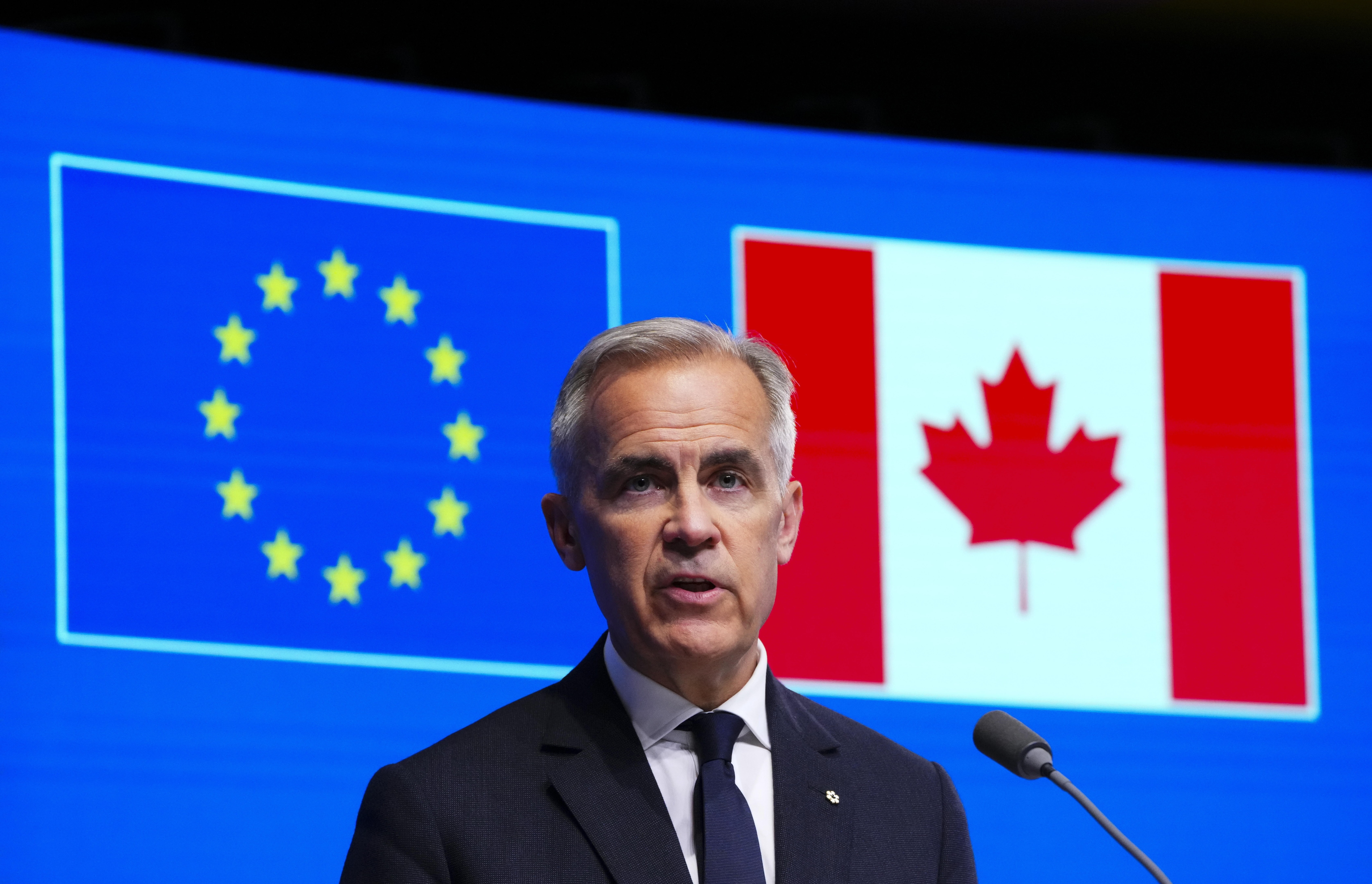
Regardless of whether the treaties make accession possible in principle, the crucial question, however, is whether such far-reaching integration is even desired on Canada’s part. In his response to von der Leyen, Prime Minister Carney made the interesting point that his country does not seek to become a “third power bloc.” He himself spoke instead of a “Canada-EU alliance” and an “alliance for the future” based on “strategic capabilities.” The reference to protecting Canadian sovereignty is also unlikely to be readily compatible with the idea of EU accession. Furthermore, accession would place an additional strain on relations with the U.S., which—despite current political tensions—is not in Canada’s long-term interest.
From the EU’s perspective as well, the opening of accession negotiations would be extremely difficult to justify politically. Aside from the Icelandic citizens' recent rejection of a resumption of negotiations, the countries of the Western Balkans have already been waiting in line for quite some time. Within their ranks, the special treatment accorded to Ukraine has already been met with criticism. If the EU does not wish to completely lose credibility with these countries, no further accession process should be initiated.
Deepened association versus sovereignty
Short of full membership, Article 217 of the Treaty on the Functioning of the European Union (TFEU) provides for the possibility of concluding agreements between the EU and third countries or international organizations that “establish an association involving mutual rights and obligations, joint action, and specific procedures.” Article 8(2) of the Treaty on European Union (TEU) provides for such a possibility, particularly for the EU’s neighboring countries (so-called “neighborhood association”). Apart from these descriptions, the Treaties do not specify what such an association might look like in practice, leaving considerable leeway. Canada and the EU could therefore cover a wide range of topics in a new joint agreement.
The EU has already concluded a wide range of different association agreements, including far-reaching free trade associations with the EFTA states of Iceland, Norway, and Liechtenstein in the form of the European Economic Area (EEA), the complex network of “bilateral agreements” with Switzerland, as well as development association agreements with African, Caribbean, and Pacific states. What these agreements have in common is an institutional structure that enables their management and further development through joint bodies. This also includes the enactment of association legislation.
Particularly in relation to the EEA states and Switzerland, this institutional system also coordinates participation in the single market—for which the EU has historically required alignment with European law. Even though the structure of association agreements tends to be flexible, integration into the single market without alignment with the single market acquis is currently difficult to imagine. At the same time, this is likely where Canada would once again reach a limit, as extensive adoption of EU law (including legal practice) would conflict with the full preservation of Canadian sovereignty.
Furthermore, a broad-based association is traditionally accompanied by what is known as a “mixed” conclusion of agreements by the EU and its member states. The resulting need for ratification by all 27 member states carries a political risk. After all, even the widely praised “Comprehensive Economic and Trade Agreement” (CETA) with Canada and the “Strategic Partnership Agreement” (SPA) have still not been fully ratified ten years after their signing, but remain only provisionally applicable.
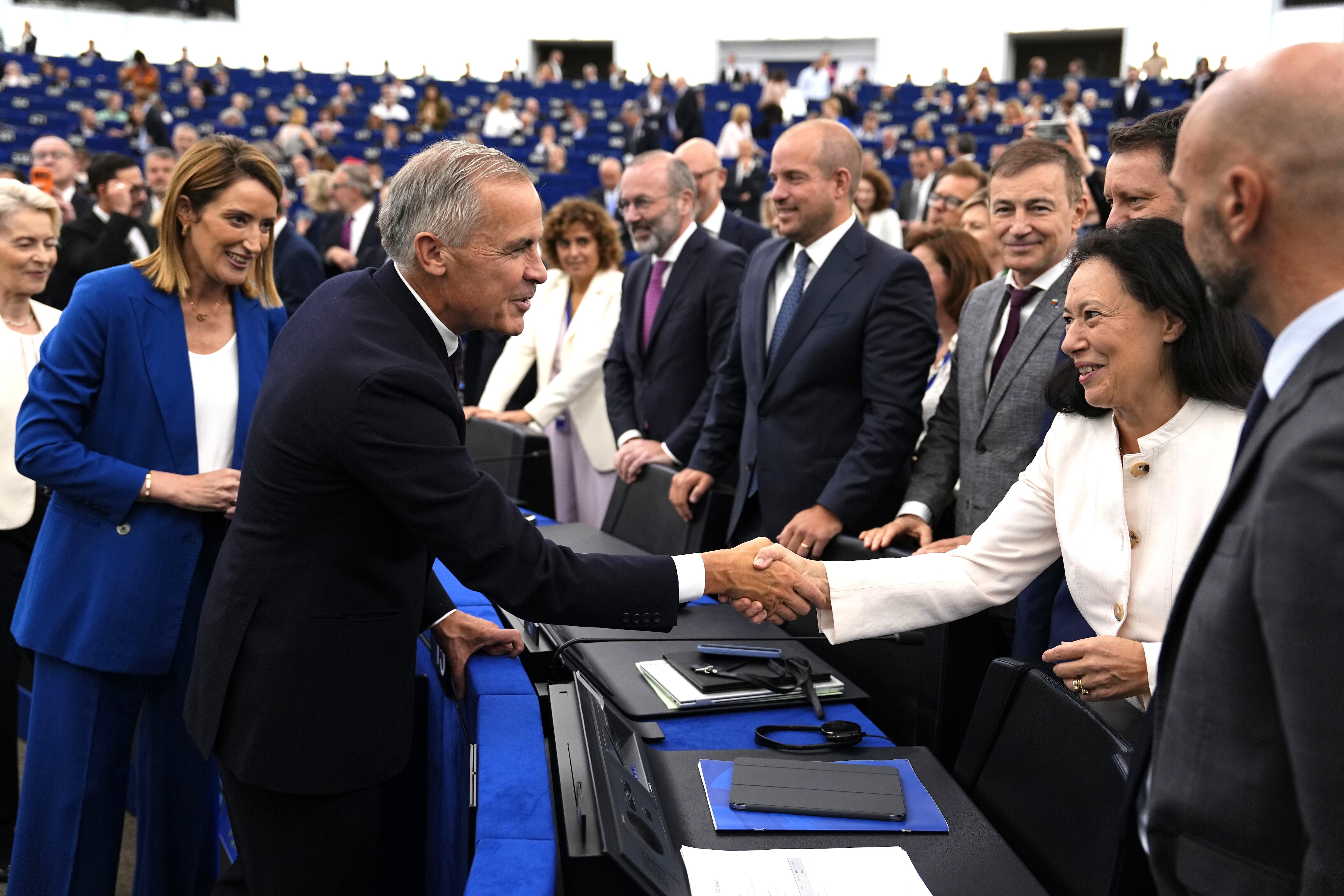
Switzerland as a model
CETA and the SPA already form a solid foundation for economic and (security) policy cooperation. The trade component of CETA, which is provisionally applicable, leads to a significant reduction in tariffs and further liberalization of non-tariff trade barriers. The SPA also provides for cooperation in security policy. In 2025, both sides agreed to further develop their strategic partnership through two initiatives: the “EU-Canada Security and Defense Partnership” and the “New EU-Canada Strategic Partnership for the Future.” These initiatives identify future areas for closer cooperation—such as mobility, security, and digital trade.
One of the political problems with CETA — and perhaps beyond — was that critics dominated public opinion with their concerns. Some Europeans may not have fully understood the benefits of cooperation to this day. Against this background, Commission President von der Leyen's particular emphasis on Canadian-European relations could also be directed internally in order to motivate Member States to finally ratify these agreements. Especially with regard to the “collective resilience” emphasized by Carney, they offer starting points and dialogue formats, which, however, require greater coordination. This also includes bilateral cooperation between individual member states and Canada. Countries such as Germany maintain their own dialogue formats with Ottawa, including on issues of economic security (particularly raw materials policy).
To achieve the diversification goals of both sides, supply chains must be actively restructured. In this regard, Germany has, among other initiatives, launched a bilateral hydrogen partnership project with Canada, which aims to establish a secure supply using government funding. In general, greater mutual interdependence depends on creating opportunities for reciprocal participation, without necessarily requiring a new agreement. Canada’s participation in the so-called SAFE program—a 150 billion euro defense fund—is an example of this. Greater integration could also extend to university exchanges in the future—as proposed by Carney. Granting Canada a special status could signal the EU’s willingness to specifically open its own programs to so-called “trusted partners.”
A contractual expansion of relations can be achieved through a reform of CETA and SPA, as well as through the conclusion of new sector-specific agreements. This could, for example, expand rights to free movement, which are already partially included in CETA. Chapter 10, for instance, governs the conditions for temporary entry and stay for business purposes. Articles 8.4 and 8.5 prohibit unjustified restrictions on the establishment of investors.
The various sectoral agreements with Switzerland can serve as an example of targeted integration based on specific issues, even if these are embedded in an institutional framework and involve the adoption of legal provisions. As already mentioned, for reasons of sovereignty, it is unlikely that a level of integration comparable to that with Switzerland can be achieved with Canada. However, this does not mean that this model cannot serve as a reference point.
Consideration for the U.S.
U.S. President Donald Trump has already responded to the idea of “associate membership” with new threats. Even though Canada has recently shown itself to be unfazed by American attempts at blackmail, the two countries’ relationship has traditionally been very deep. While Canada is seeking to reduce its dependence on the U.S., the two sides will remain closely linked in the future.
For this reason, too, a more pragmatic and targeted deepening of relations between the EU and Canada seems more realistic than the politically charged creation of a special membership status. At the same time, the U.S. president’s threats underscore how necessary stronger cooperation between the EU and Canada is.
Outlook — an appeal to member states
As the speeches by Commission President von der Leyen and Prime Minister Carney made clear, Canada and the EU share common values as well as a wide range of political convictions regarding the current global situation and the steps necessary to protect their own sovereignty and autonomy. This presents a historic opportunity to further deepen bilateral relations. The goal of “Associate Membership” should not be taken literally, but rather understood primarily as a call for member states to become more actively engaged.
In any case, the upcoming EU-Canada Summit in Montreal on October 29–30 is generating high expectations. At this point, it seems unlikely that new negotiations for a comprehensive agreement will be announced there. Instead, building on the initiatives adopted in 2025, key areas of cooperation are likely to be identified. It would be desirable to see prompt implementation based on these priorities. The EU, in particular, must demonstrate its ability to act and do so swiftly in order to quickly realize the potential for even closer Canadian-European cooperation.

At Saarland University, the author focuses on foreign trade law, the law of European external relations, and international commercial law. He is also co-editor of the Springer series “Economic Survey in European Law and Policy” and the Yearbook of EU External Relations Law. Together with Prof. Dr. Wolfgang Alschner and Prof. Dr. Patrick Leblond, Reinhold authored a study this year for the Konrad Adenauer Foundation on the topic “Canada-EU economic security cooperation in an era of geoeconomic tension - strong foundations to build on”.
.jpeg)
