The end of Euractiv and a new beginning
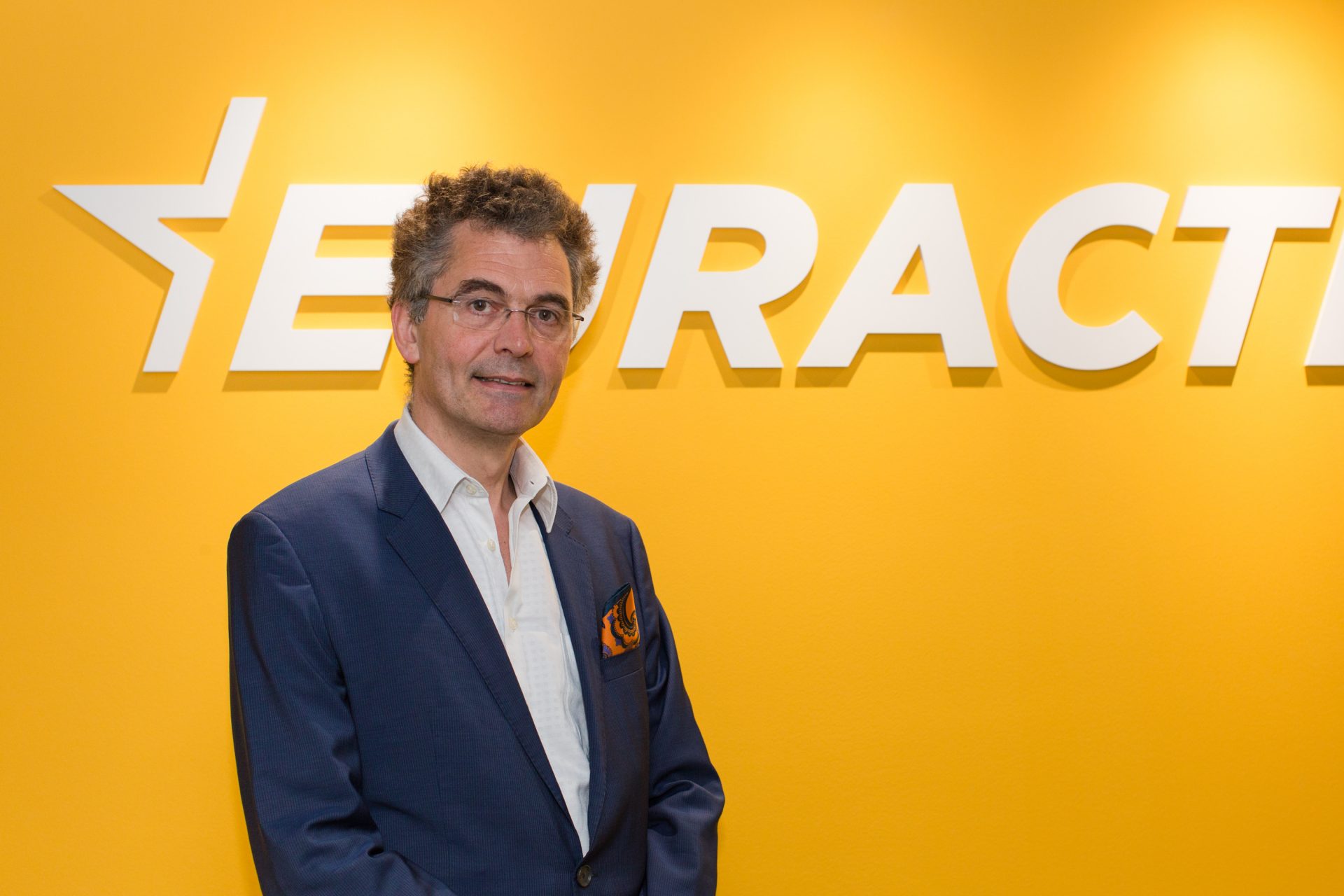
After more than 25 years, Euractiv no longer exists. The distinctive yellow logo has been retired. The pan-European online publication, which reported in twelve languages, was renamed ‘Rapporteur’ a few days ago by its new owner, Mediahuis. Euractiv did not simply fade away. It was shut down.
Former Euractiv teams specialising in Eastern Europe are now partner editorial teams of diplo.news. The new ‘Focus Europe’ network consists of former Euractiv partners, namely:
POLAND: Focus Europe
The former Euractiv Poland (founded in 2009) is now called Focus Europe.
The editor-in-chief and CEO is Karolina ZBYTNIEWSKA, an expert on European affairs and a lecturer at the University of Warsaw.
Website: Focus Europe
SLOVAKIA: EUbrief
The former Euractiv Slovakia (founded in 2003) is now called EUbrief.
Editor: Radovan GEIST
Lecturer at Comenius University, Slovakia
Website: EUbrief
CZECHIA: EU update
The previous Euractiv Czech Republic (founded in 2004) is now called Update EU
Editor: Jan VITASEK
Website: Update EU
BULGARIA: EU alive
The previous Euractiv Bulgaria is now called EU alive
Editor: Georgi GOTEV
Based in Brussels and Sofia
Website: EU alive
ROMANIA: Espress
The former Euractiv Romania (founded in 2004) is now called Espress
Website: Espress
ITALY: Focus Europe Italia
The former Euractiv Italy (founded in 2011) is now called Focus Europe Italia
Editor: Prof. Roberto CASTALDI, Assistant Professor at eCampus University and others
Website: Focus Europe Italia
The ‘yellow family’ also included the think-and-do tank ‘Fondation Euractiv’, which became ‘Europe MédiaLab’. It is still led by its founder, Christophe Leclercq, brings together Eastern European journalists in Brussels, and is now supporting the next wave: social media from Europe.
A pioneer in digital media
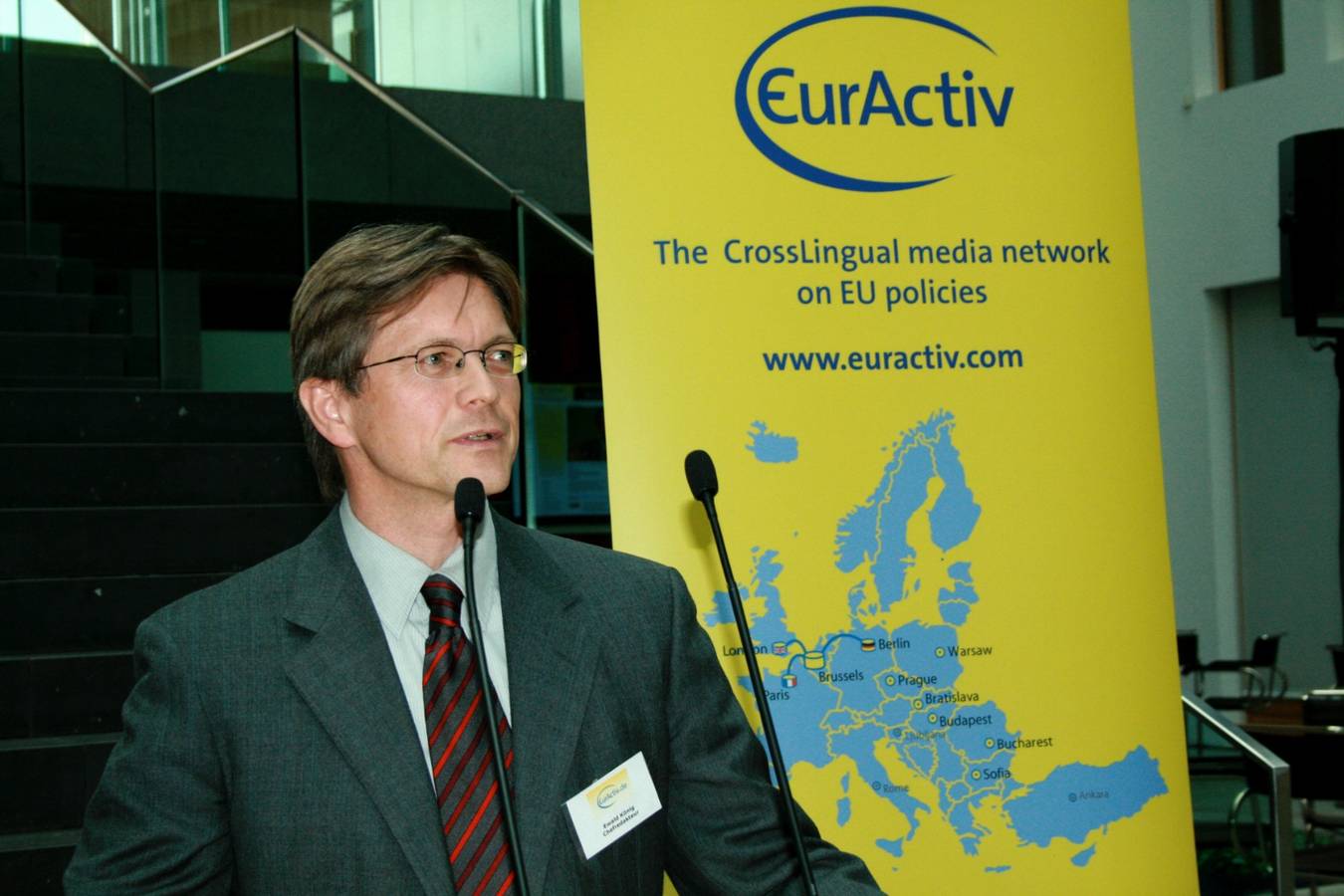
Euractiv was founded in 1999 as a digital medium, at a time when many people still did not know what to make of the internet. Christophe Leclercq, then a civil servant at the European Commission – he was the coordinator for the information society in the Directorate-General for Competition – had recognised the shortcomings in EU communication and wanted to fill the gap. With this new media outlet in Brussels, he aimed to bring European issues closer to readers and explain European debates and decisions that affect people’s lives, without resorting to ‘Brussels-speak’.
The concept behind this network was unique: numerous articles from the Brussels headquarters and the national editorial offices were translated into twelve languages and passed on to the Euractiv teams in other countries. This meant that readers could find out what was important within the EU ‘bubble’ not in English, but in their own national language.
At the time of its launch, Christophe Leclercq explained: “We are not just ‘Commission observers’, but also bring the political debates to the national level.”
In 2004, Euractiv moved into its headquarters at the International Press Centre, right next to the Berlaymont building, home to the European Commission. At least once a year, a network meeting of all Euractiv editors-in-chief from the member states was held there.
The network continued to grow. Euractiv offices sprang up in more and more European capitals. The Berlin office was established relatively late, in 2009.
In Brussels, there was a desk for all network partners from which the network directors supported the individual editorial teams, just as colleagues from the capital cities supported one another.
When the US media Politico expanded from Washington to Brussels in 2015, Euractiv had major competition to fear. However, thanks to its unique selling point – its coverage in many national languages – the yellow-branded outlet held its own against the new challenger.
The Dutch media group Mediahuis wanted to strengthen its expertise in European politics and developed an appetite for more. Mediahuis acquired Euractiv in 2023. For three years, the new owner set about transforming the organisation and turned everything on its head. By the end, it was unrecognisable.
For the Euractiv national editorial teams in the various capitals, their continued existence seemed secure when the existing franchise agreements were initially confirmed by the new management, albeit with short notice periods. Promptly, the contracts were terminated unexpectedly quickly, apparently after Mediahuis had decided to abandon Euractiv.
The decision raises questions. Why wasn’t the old name retained, one that had earned the trust of the European community? A well-established brand that the new owners had initially built up themselves and made even better known? Why wasn’t a new media outlet founded from scratch, rather than forcing Euractiv to disappear?
Following the termination of the franchise agreements with the individual editorial offices, Mediahuis switched from a system based on the experienced and well-connected regional offices of its unique partner network to the standard system using correspondents. The final step was the name change. The yellow Euractiv logo has been a thing of the past for a few days now. It is now called Rapporteur. Unlike Euractiv, Rapporteur does not offer its articles free of charge, but operates a paywall.
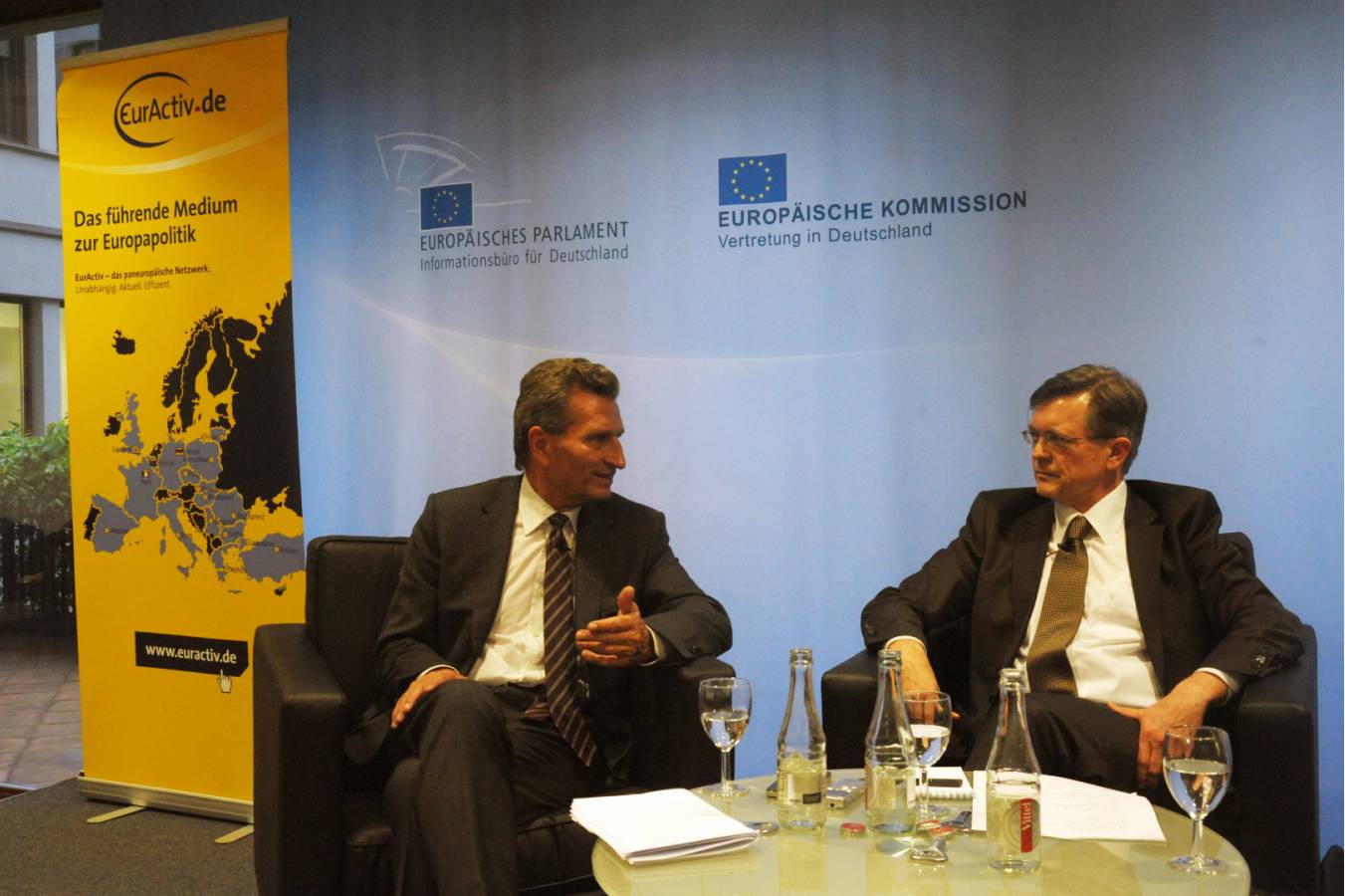
This is written by a journalist who headed the Germany bureau for the first five years (2009–2014) as editor-in-chief and publisher. The then managing director, Joachim Weidemann, and I recruited a brilliant editorial team. We moved into premises in the Federal Press Conference Building in Berlin’s government district and were right at the heart of political and media events. We were on the same floor as diplo.news.
I – like all other members of the Euractiv network – strongly reject the new owner Mediahuis’s claim that Euractiv operated in a manner that was “more activist than journalistic”. Journalism and activism must be kept separate, and we at Euractiv have strictly adhered to this principle. For the former Euractiv partners, Christophe Leclercq’s legacy lives on.
The above-mentioned country offices of the former Euractiv network were suddenly faced with the choice of either giving up or continuing independently, albeit under a new name. All the teams decided to carry on, both the editorial teams and the marketing colleagues. They sought a partner in Germany – and found one in a media outlet specialising in foreign policy and diplomacy, whose founder himself hails from the old Euractiv network: diplo.news.
Ewald König