Diplomacy with the Cult of the Dead
Column by Ewald König
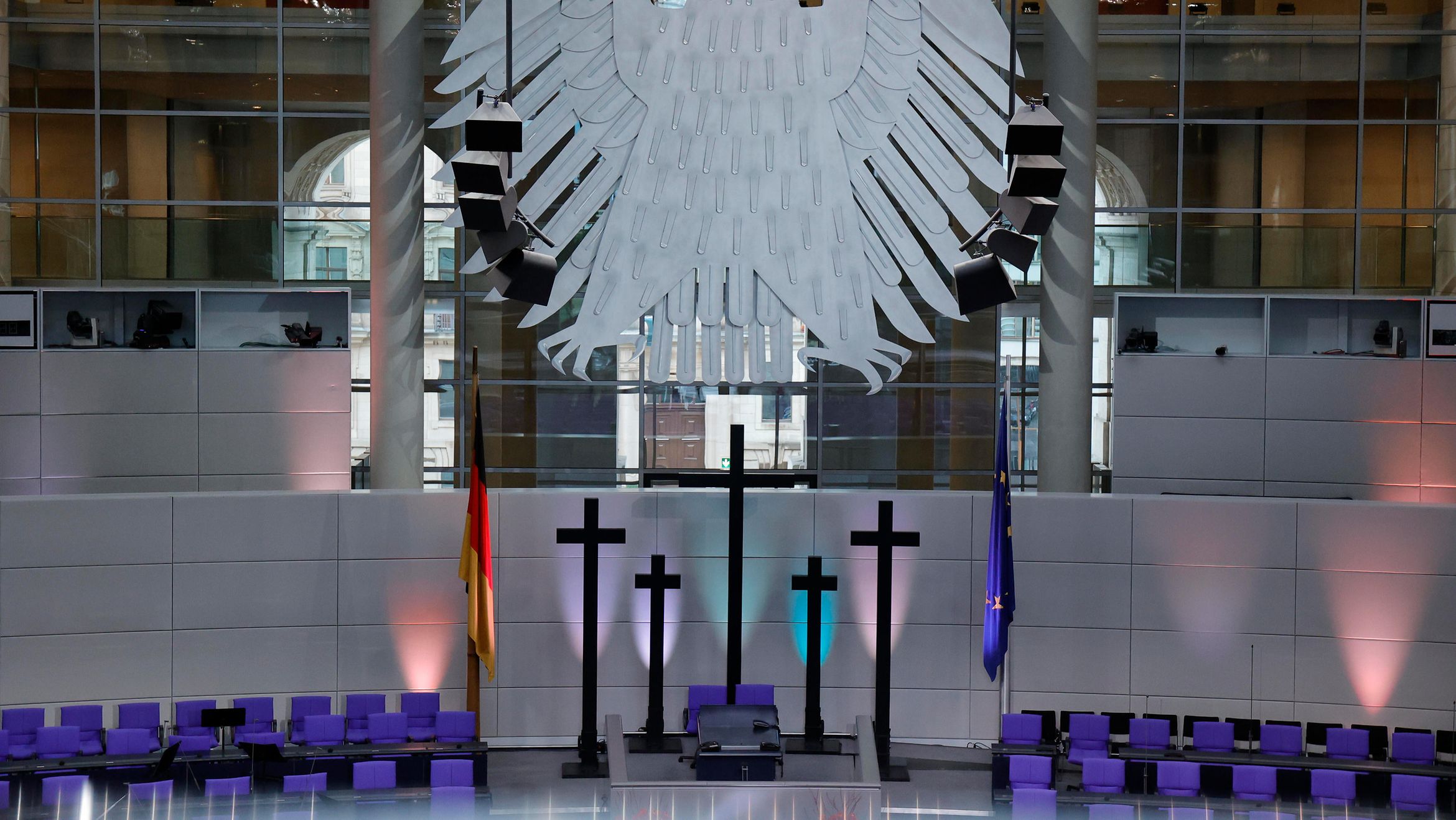
I’m afraid this column will come across as particularly undiplomatic this time, perhaps even in poor taste. But that’s life. When Germany observes Remembrance Day on Sunday and Austrian President Alexander Van der Bellen is invited to deliver the commemorative speech in the German Bundestag, I might not just think of gray, black, and mourning.
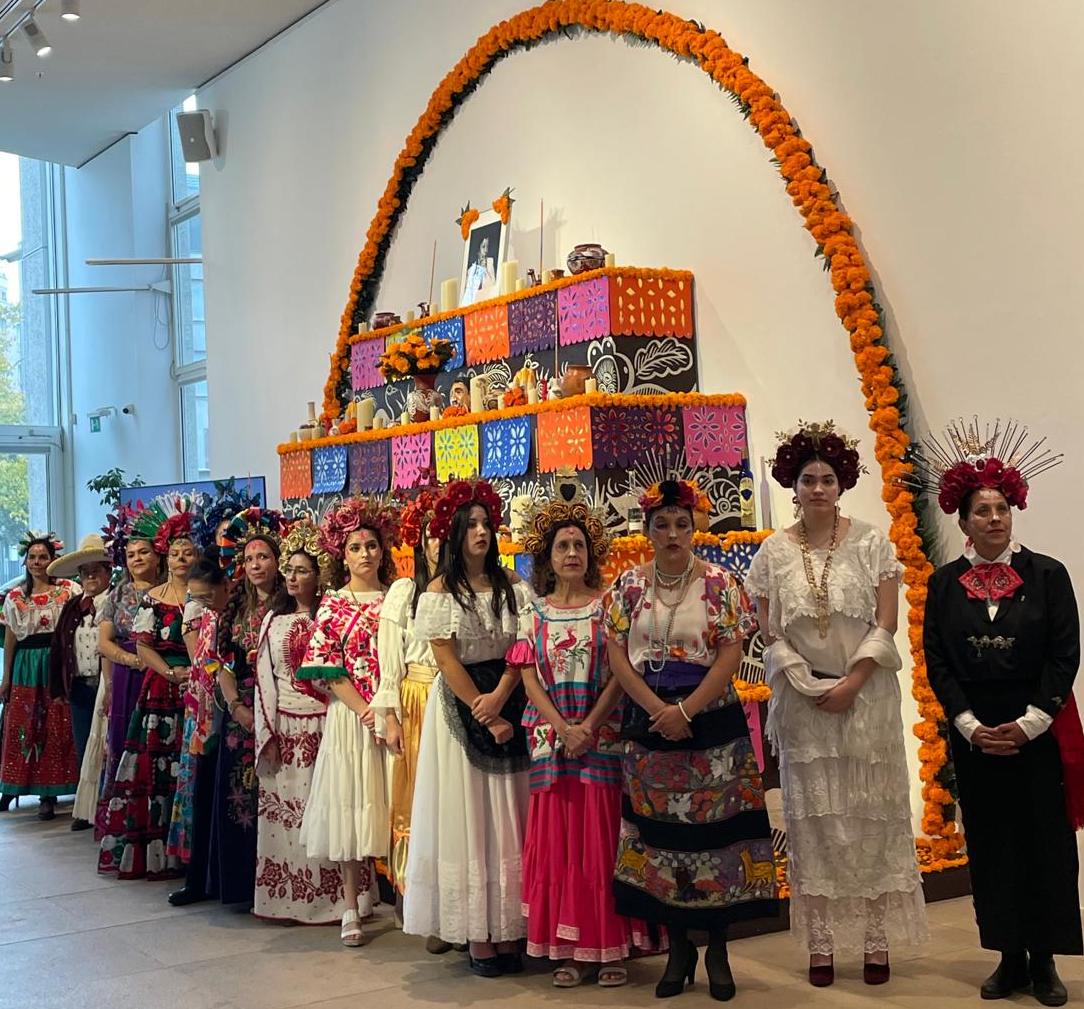
Because commemorating the dead can also be done very differently from how we know it in Central Europe. At first, I could hardly believe that a Mexican colleague flew home to her family to commemorate the deceased by celebrating the dead—and celebrating them in a proper way.
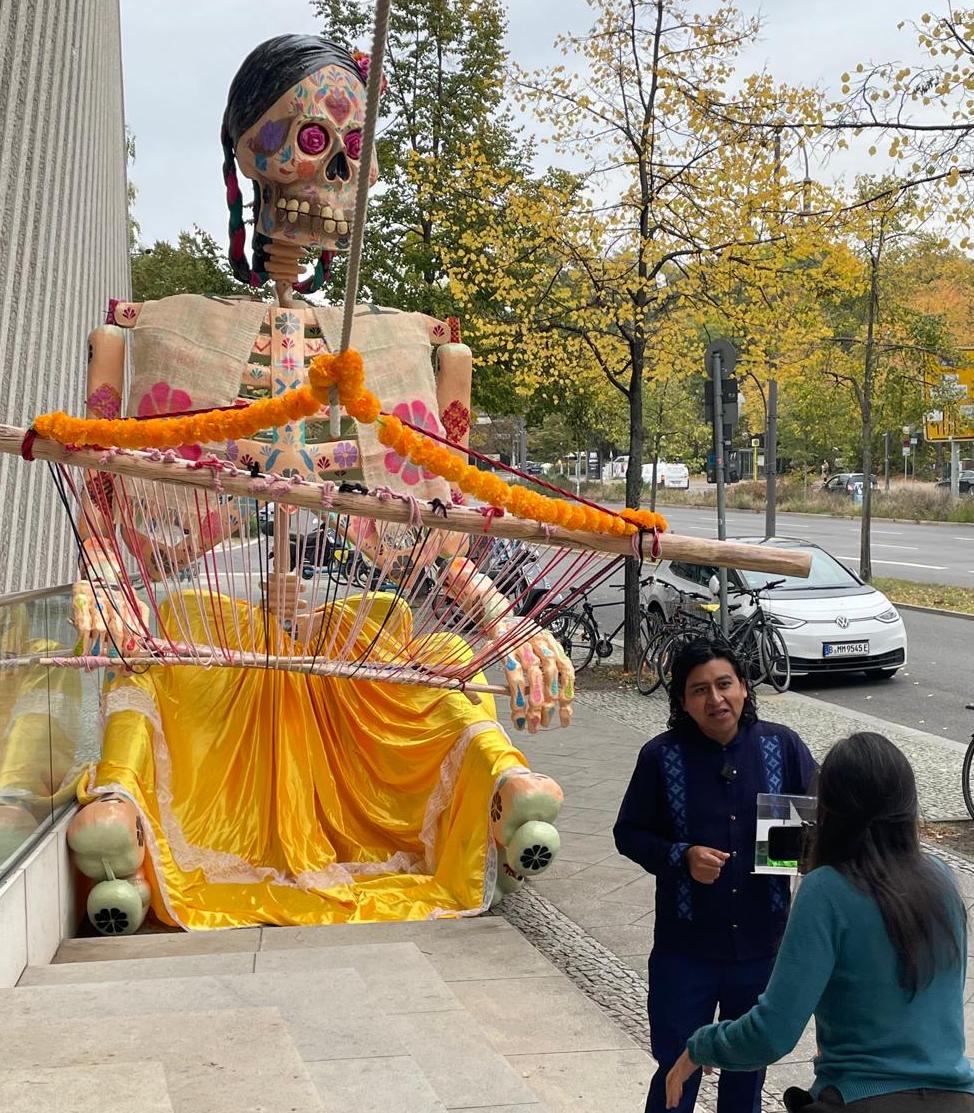
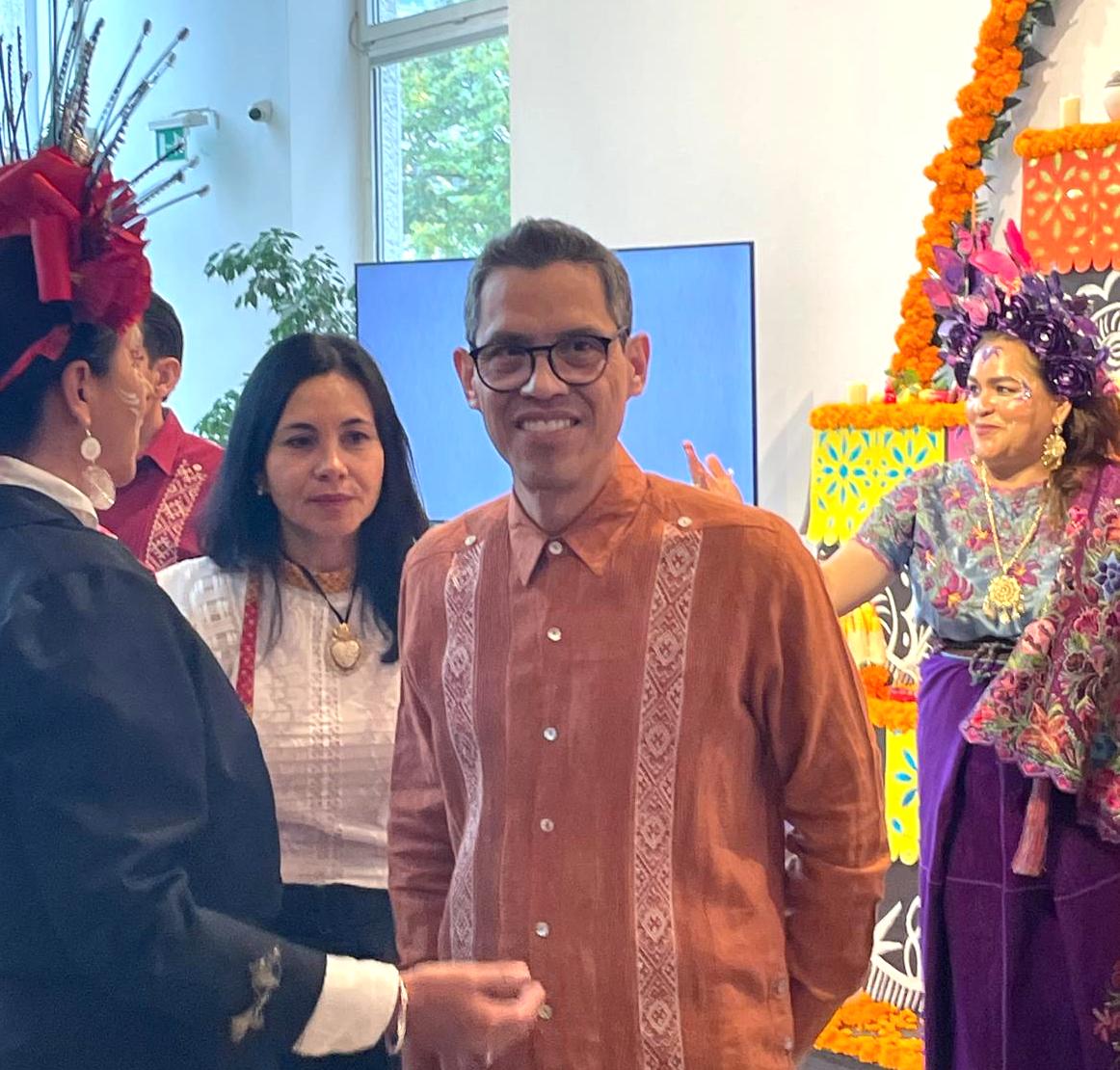
I experienced this for the first time at the Mexican Embassy in Berlin, who invited me to “Día de los Muertos,” the Day of the Dead. I was curious and unprepared for what awaited me there. But I learned a lot—and actually gained a different perspective on life and death.
Mexicans gather in their homeland to honor their ancestors with offerings. Or they organize celebrations in Germany if they can’t fly home. They honor their ancestors with their favorite foods and drinks, with music and dance, flowers and candles, with masks and traditional costumes, with offerings on altars, with communal rituals, and with everything their ancestors enjoyed during their lifetimes. Not to mention the many photos of loved ones. They celebrate the reunion with relatives from the afterlife in a lively and colorful way, taking joy in the feeling that the dead are not gone but very close—and that death is a part of life.
This also gives the living hope that they will not be forgotten after death, but that there will one day be a reunion. Mexicans are not intimidated by death; on the contrary, death may even be mocked. The Day of the Dead is a celebration of life. With this perspective, they could inspire the whole world.
But it is more than just a celebration in honor of the deceased. It is a living encounter between memory and the present. The souls of the deceased are symbolically welcomed, and the bonds between generations are renewed. It is not a spectacle like Halloween, even though it may seem that way, but rather a cultural experience of community that explores various ways of engaging with tradition and death. People wish to remember those who belonged to them, who are part of their personal history, and whom they want to keep close.
The festival has indigenous origins. When the missionaries were unable to abolish the custom, the Catholic Church found a way to blend the pre-Hispanic tradition with its own elements. It is due to the influence of the missionaries that a Christian cross is also a feature of Aztec customs. In 2008, the festivities were even added to UNESCO’s List of Intangible Cultural Heritage of Humanity.
Back to the somber month of November in our part of the world. In the Catholic tradition, Remembrance Day is marked by mourning and silence. The cheerful parades would, of course, not fit in with the commemorative events organized by the German War Graves Commission. But perhaps one day we might draw a little inspiration from Mexico.