Germany and Austria reaffirm close cooperation on Ukraine, Gaza, and European security
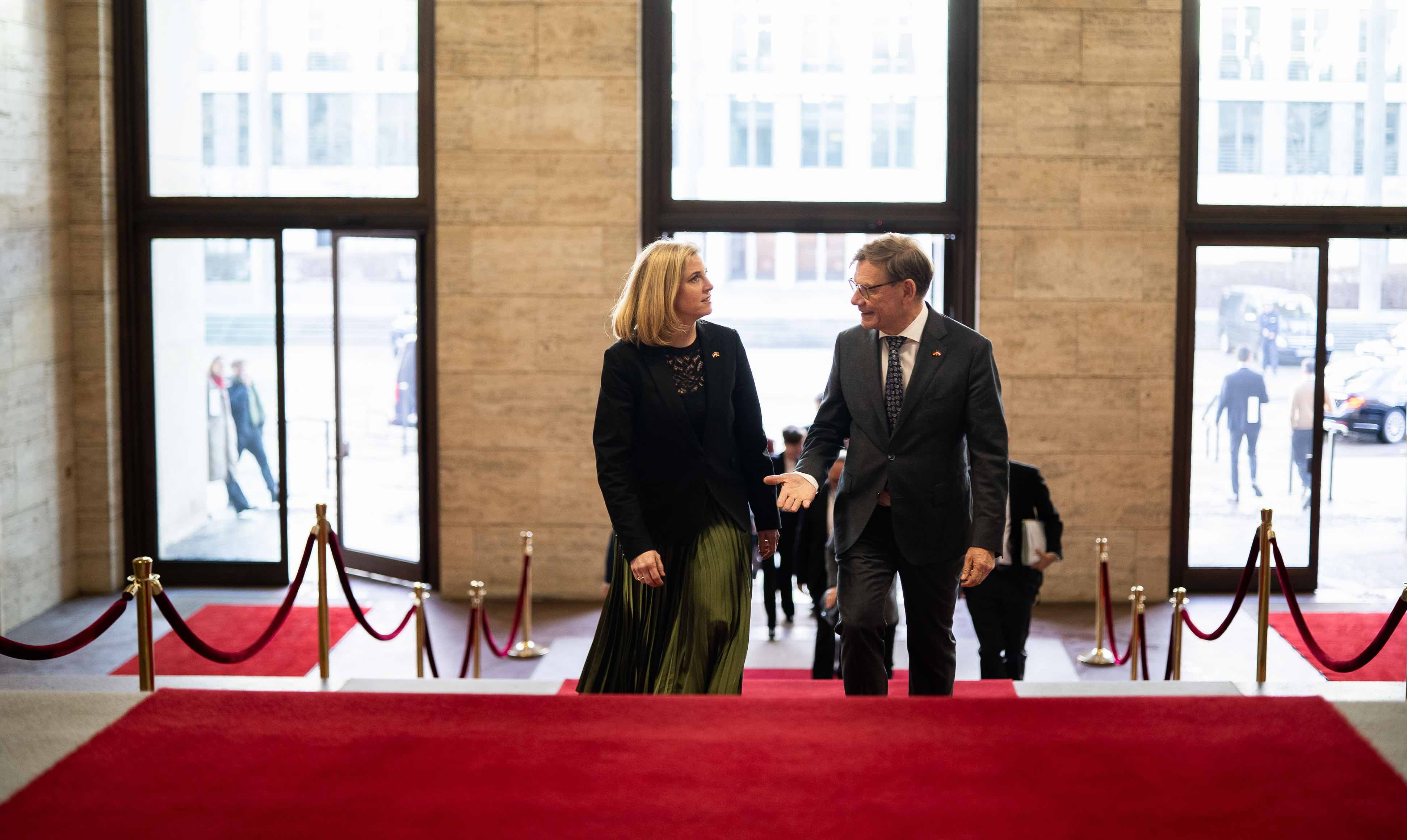
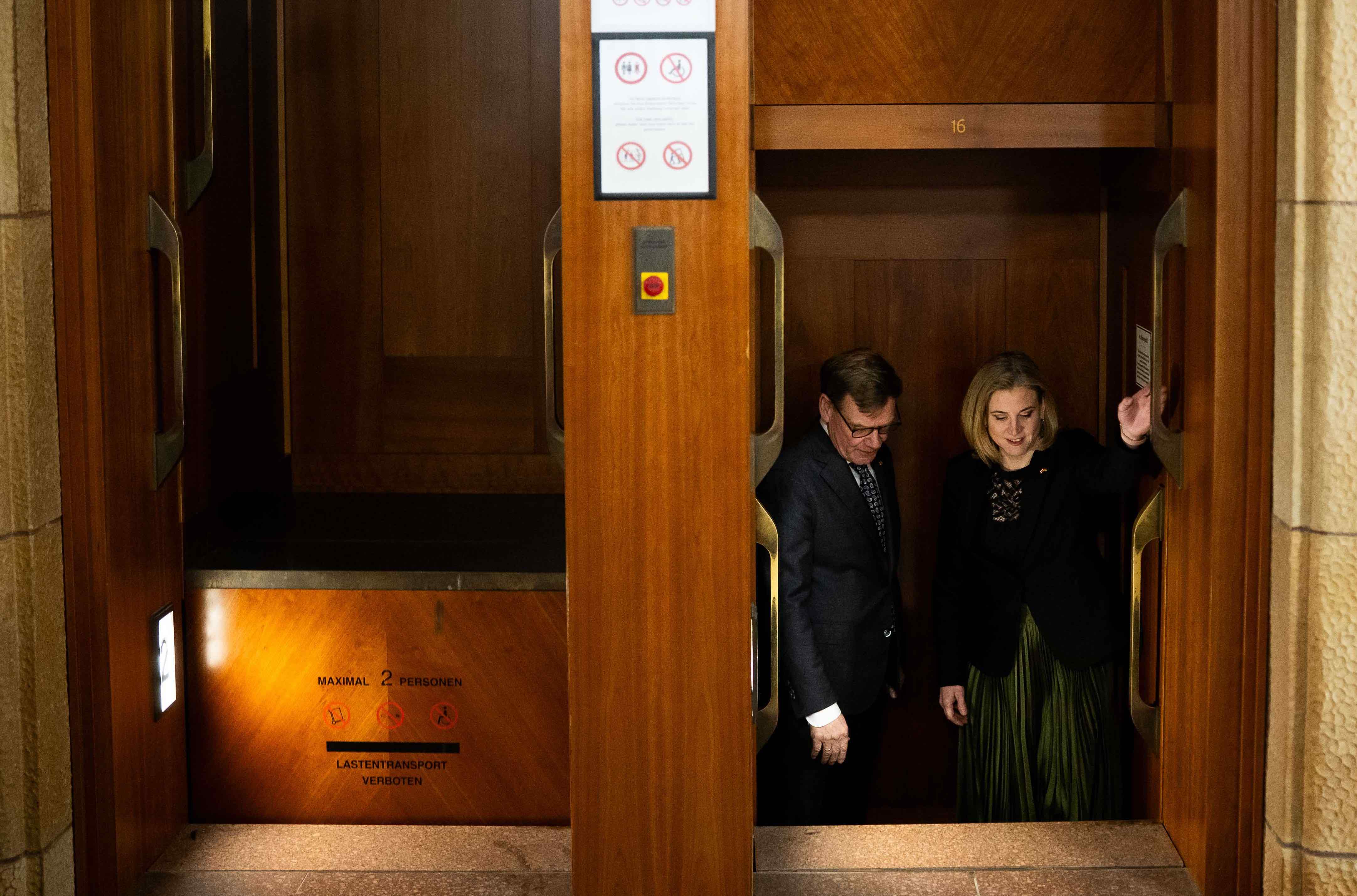
At the bilateral meeting in Berlin on Friday, Germany and Austria confirmed their close coordination on foreign and European policy. In a joint press conference, Foreign Minister Beate Meinl-Reisinger (Neos) and Johann Wadephul (CDU) underlined their countries' agreement on key international issues — from the humanitarian situation in the Gaza Strip to support for Ukraine and European security and defense policy.
A central issue was the situation in the Gaza Strip. Both sides welcomed the recent improvement of the humanitarian situation, but agreed that considerable action was needed in view of the approaching winter. They stressed the need for a reliable supply of food, medical aid, and energy to the civilian population.
They viewed the so-called 20-point plan as a positive basis for a Palestinian national administration for Gaza.
Germany and Austria expressly support this approach. However, it is clear that there can only be a political perspective for Gaza without Hamas. Hamas must be disarmed.
Another focus was on the war against Ukraine. Both ministers condemned Russia's ongoing attacks, in particular on civilian energy infrastructure during the winter months. According to Wadephul, Moscow's aim is obviously to terrorize the civilian population.
Wadephul announced an additional €60 million in humanitarian aid to support the Ukrainian population with heating systems, hot water and protective measures. A real willingness to negotiate on the Russian side is only to be expected when international pressure on the Kremlin is increased. Both politicians welcomed the fact that the USA is continuing to pursue diplomatic initiatives to persuade Russia to negotiate.
In view of global uncertainties, Europe must strengthen its ability to act in the field of security policy. Meinl-Reisinger called on Germany to take on a greater leadership role, while Wadephul signaled his willingness to assume a stronger leadership role—both on NATO's eastern flank and in European defense cooperation.
Both ministers made it clear that questions about Greenland's future would be decided exclusively by the Greenlanders themselves. They dismissed questions about how far Europe would go to defend Greenland as hypothetical. They continued to focus on diplomacy and alliance cohesion.
ekö