"We need investment, we need technology"
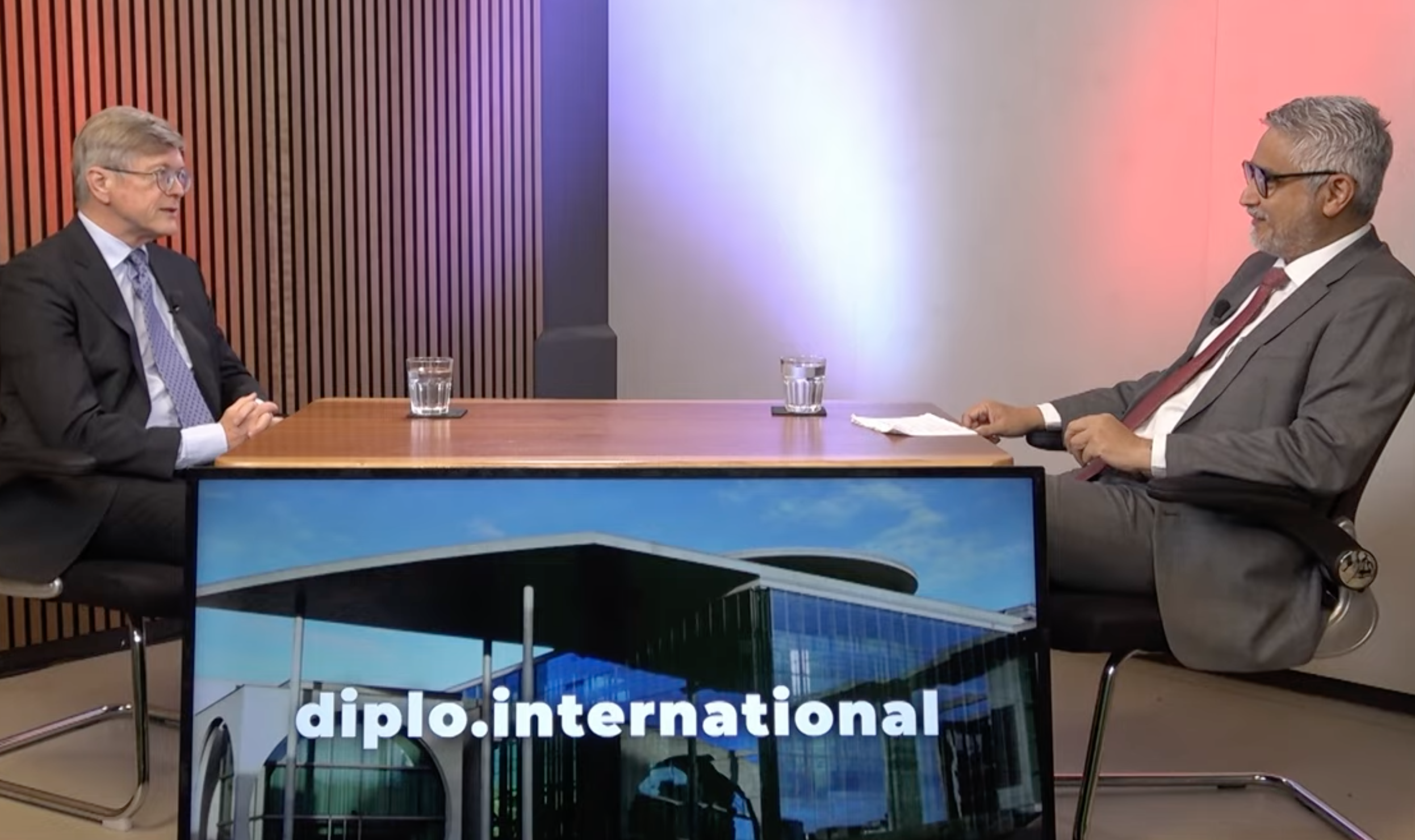
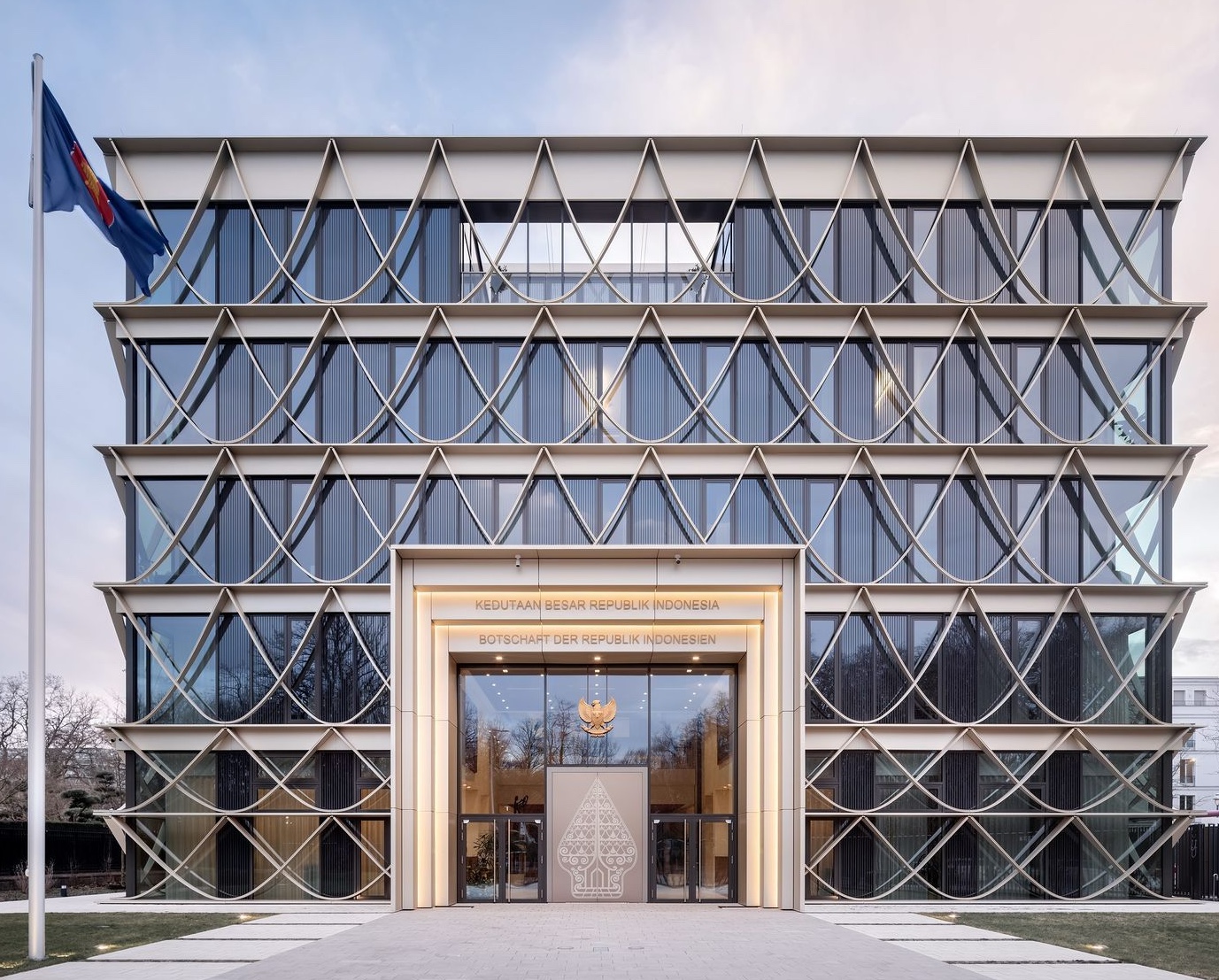
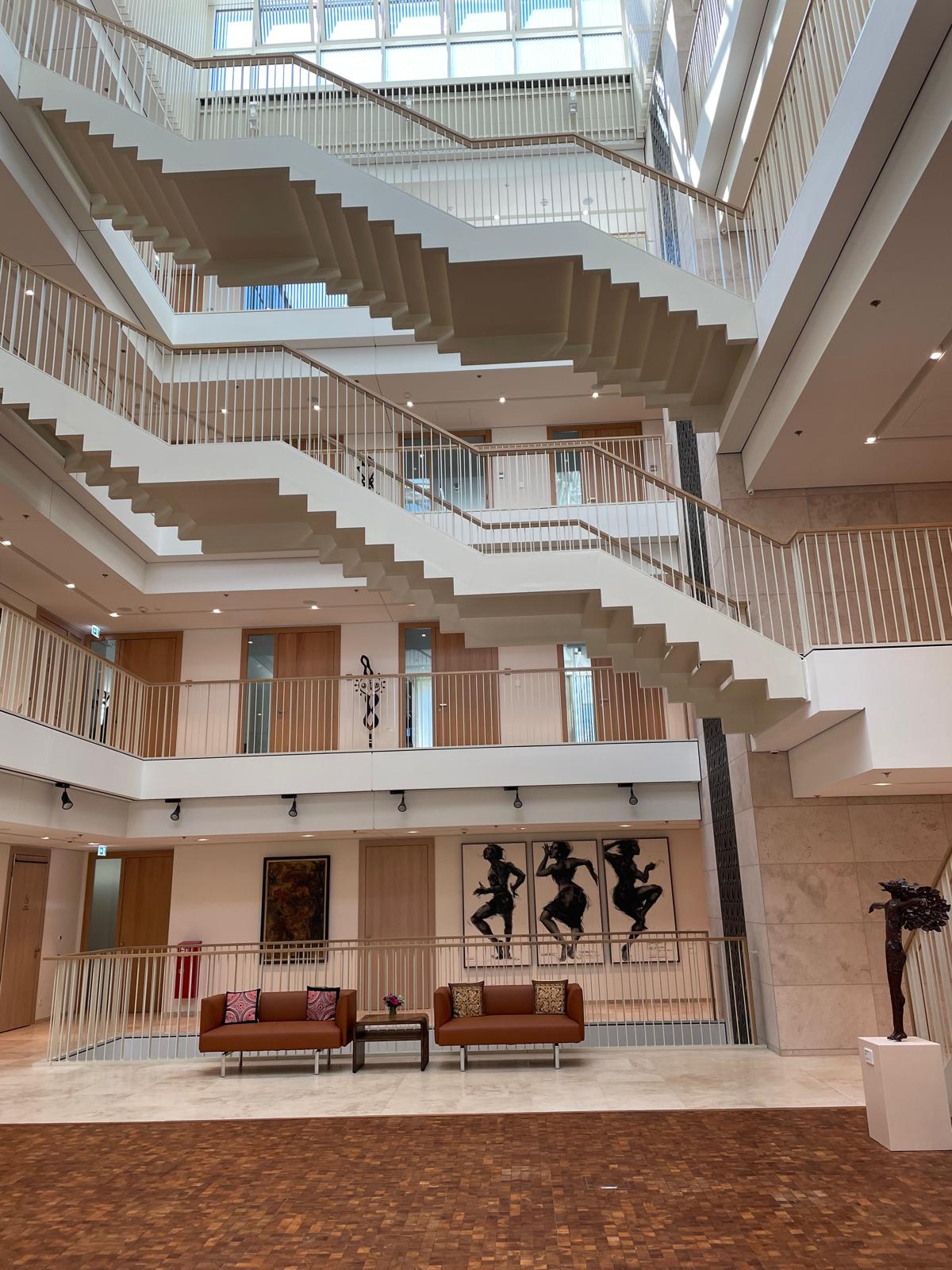
Ambassador Abdul Kadir Jailani has not only taken up his new post in Berlin but has also moved into his country’s brand-new embassy on Tiergartenstraße in the traditional embassy district. The building was completed just a few months ago. As the former Deputy Foreign Minister of the world’s fourth-largest country—which is also home to the largest Muslim population—Jailani brings significant clout to bilateral relations.
"We are rich in raw materials. Indonesia is one of the world's largest nickel producers," says the ambassador. "But we need investment, we need technology!" German companies should play a role in this sector, as well as in renewable energy and the expansion of energy infrastructure.
"Great potential that still needs to be utilized"
Bilateral relations are indeed very good. “I don’t see any major problems.” But they could be improved in some areas: “There is still great potential that needs to be utilized. It is our responsibility to work on this together.”
A significant topic is skilled labor. Indonesia is a source of skilled workers. "We are already sending our workforce to many countries. Now we aim to increase the number of our workers going abroad, especially to Europe. We see Germany as one of the potential destination countries for our skilled professionals. We are working on it."
However, there are challenges. The biggest of these is the language barrier. "Bureaucracy may also be an issue, but that is something we can work on together." During the recent visit of German President Frank-Walter Steinmeier to Jakarta, this very topic—how to strengthen interpersonal exchange—was discussed. "We know that Germany has a very good education system. We should really benefit from that." According to the ambassador, Steinmeier's visit will be followed by further high-level contacts between the two countries. Specifically, a reciprocal visit by the Indonesian president to Germany is expected.
Opening the market to Europe: a turning point
For Ambassador Jailani, the fact that Indonesia and the European Union have concluded negotiations on the comprehensive economic partnership between the two sides is “a very significant development.” “Hopefully, this agreement—a kind of free trade agreement—can be signed in the near future and approved by the European and Indonesian parliaments early next year. Our goal is for it to enter into force next year.”
Indonesia hopes this will lead to greater economic integration with the EU. "It is a turning point because it opens up Indonesia as one of the largest markets for Europe—and vice versa!"
The agreement also includes an automotive chapter, which would allow European countries to export more cars to Indonesia, a nation of 280 million people. "I believe Germany, with its strong automotive industry, can play a larger role there." Germany could certainly use that.
Indonesia also has a comprehensive regional economic partnership agreement with China, in which all ASEAN countries participate. "We are together in a huge trading bloc, the Regional Comprehensive Economic Partnership (RCEP). (Editor's note: This is the world's largest free trade agreement, which entered into force in 2022 and includes the ASEAN states as well as Australia, China, Japan, New Zealand, and South Korea.)
ASEAN as the foundation of foreign policy
ASEAN, the Association of Southeast Asian Nations, is of enormous importance to Indonesia – and not just because its capital, Jakarta, is the headquarters of the organization. "For Indonesia, ASEAN is always the cornerstone of our foreign policy. This means that our national interest is always closely linked and intertwined with the interests of the region, namely how to achieve regional political stability and economic prosperity."
"Furthermore, we must be able to use ASEAN as our vehicle to pursue larger interests. By playing a very active role in ASEAN, we can leverage our diplomatic influence," says Jailani.
ASEAN is not merely an international organization. “It is, in fact, our identity in shaping our foreign policy.” When ASEAN was founded in 1967, it had neither a secretariat nor a headquarters. It was not until nine years later—in 1976—when Indonesia assumed the chairmanship that Jakarta was designated as the seat of ASEAN in the ASEAN Charter.
Of course, there are also contradictions within ASEAN, the ambassador confirms—and refers to a book by Kishore Mahbubani, a Singaporean diplomat. The book is titled "The ASEAN Miracle". In it, the author argues that ASEAN actually deserves to be nominated for the Nobel Prize and to win it.
According to the book, ASEAN is one of the regional organizations that has been very successful in maintaining peace and security in the region. “I would like to emphasize here: Despite many internal dynamics, despite many territorial disputes and differences among ASEAN members, Southeast Asia has been one of the most stable regions in the world in recent decades. That is a fact we must acknowledge.”
Of course, it is not just Indonesia that has a strong commitment to this ASEAN principle. "All ASEAN member countries cultivate dialogue and cooperation. Our success story is based on our hard work."
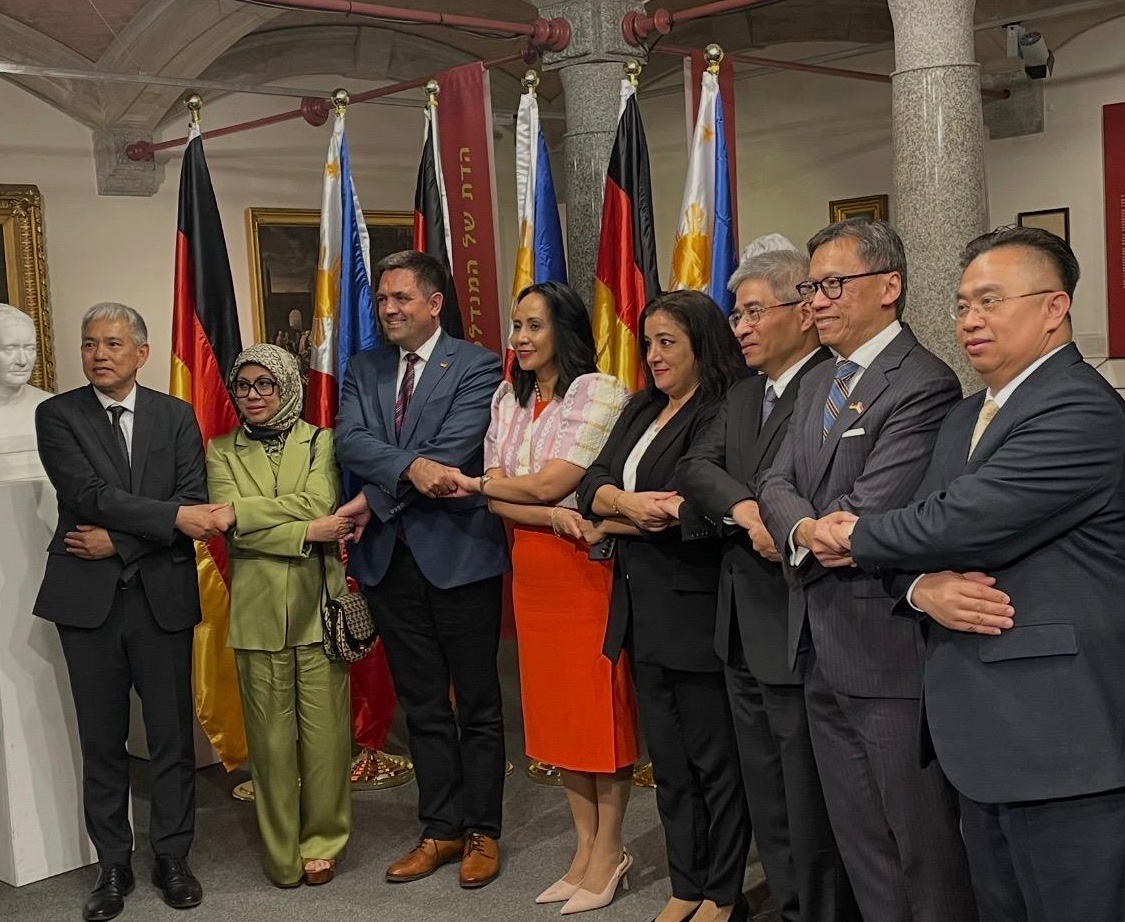
The Philippines currently holds the ASEAN chairmanship. In the Berlin ASEAN Committee, where local ambassadors meet regularly for consultations, Indonesia currently holds the lead, which it will soon hand over to Malaysia.
The talk show "diplo.international" with Indonesian Ambassador Abdul Kadir Jailani was broadcast on the capital city station TV Berlin and can be viewed here: YouTube
%20(1).webp)