The fifty-fifty chance
Column by Gudrun Dometeit
.png)
How often in recent years have we been annoyed by the emotionless taciturnity of former Chancellor Olaf Scholz, the “Scholzomat,” whose only rhetorical legacy that has stuck in our minds is the phrase “turning point.” And how much about the nebulous hints and indecisiveness of his government's policies. How different his successor Friedrich Merz is.
This week, as Berlin and Brussels became strongholds of diplomacy and the Ukraine summit, Merz showed many feelings. When he spoke loudly at the German-Ukrainian Economic Forum that he sometimes woke up in the morning and thought the war in Ukraine was a bad dream. Or when he was indignant about Vladimir Putin's “cynical and brutal response” to the suggestion to keep arms silent over Christmas. When he shouted before the Bundestag that the security of Europe was inextricably linked to the fate of Ukraine. And when he invoked the drama of a “turning point in history,” the unity of the European Union and Germany's leading role. “Germany must not be a victim or an object. We are not a pawn of the great powers.”
Politicians are allowed to show emotions, even if their rhetoric may not always be accurate. And in view of the sometimes unbearable fear-of-the-voter nonsense, clear statements are all the more important. Merz took the risk and put all his eggs in one basket: he wanted to help resolve the Ukraine conflict, demonstrate the EU's ability to act, bring Germany back onto the international stage, and not let Donald Trump walk all over him. It could have worked. Merz himself put his chances at 50:50. It turned out to be the other 50.
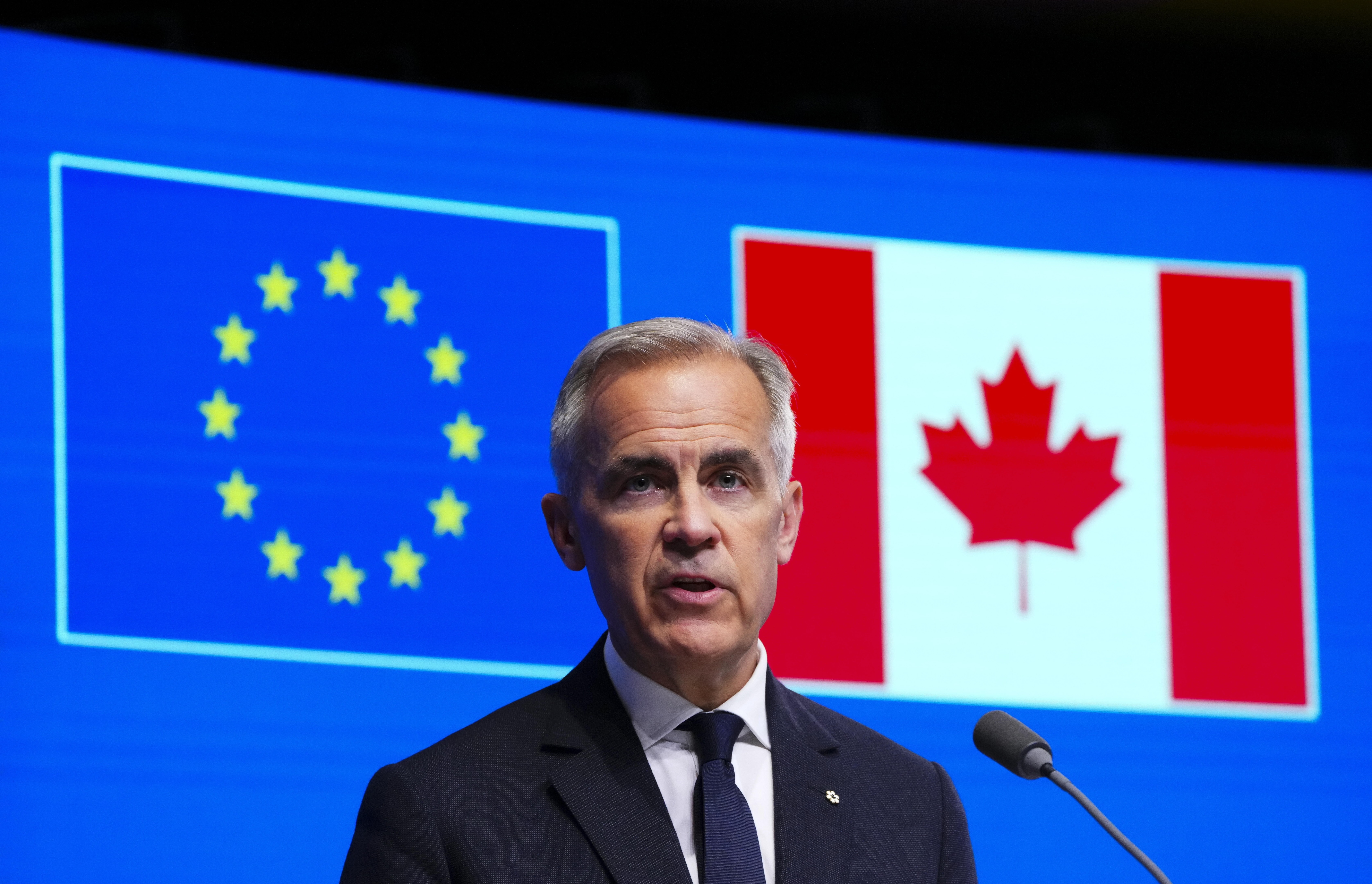
At the chancellor's suggestion, the heads of government in the European Council should decide on a reparations loan for Ukraine, funded by Russian state money. He had previously warned that if the EU failed to reach a consensus on the use of Russian central bank assets, its ability to act would be destroyed in the long term. An agreement now failed due to resistance from Belgium, where most of Russia's reserves, amounting to €210 billion, are stored. The EU states were unable to agree on the comprehensive risk protection demanded by Belgian Prime Minister Bart de Wever.
Instead, 24 of the 27 EU states are now taking out a loan of 90 billion euros on the capital market in order to finance Ukraine an interest-free loan for the next two years. In other words, they get into debt, even though it is said that the frozen Russian assets still serve as a kind of guarantee. Hungary, the Czech Republic and Slovakia are excluded from this solution; this is the only way to achieve the necessary unanimity. Kiev should repay the money after the end of the war; if Russia refuses to pay reparations, it should still draw on its central bank reserves. However, this does not simplify the legal issues.
International law gives central bank reserves strong protection against seizure, a principle that has been “absolutely sacrosanct for a century,” says Ingrid Brunk, professor of international law at Vanderbilt University Law School in the USA. The European Central Bank had also warned of loss of confidence in the Eurozone if the EU drew on the assets of a sovereign state. In this respect, the current EU decision is good news for the international financial market, as well as for the Belgian financial services provider Euroclear, which stores most of Russia's central bank assets, around 185 billion euros.
“The most important things for Euroclear are trust and reputation,” the company's CEO, Valerie Urbain, emphasized in an interview with Le Monde this week. “We are a key factor that must remain untouchable in the interest of financial market stability.” Euroclear stores the reserves of around 100 central banks and a total of 40 trillion euros of money. In Urbain's opinion, anything that even remotely looks like confiscation would be contrary to international law. Russia's central bank has already filed a lawsuit against Euroclear for damages before a Moscow court. Moscow is also allegedly preparing to expropriate the property of Western companies. The British Guardian also wanted to know about Russian attempts to intimidate Euroclear managers and Belgian politicians, referring to findings by Western intelligence services.
Volodymyr Zelenskyy, who had urged EU leaders in Brussels to make a quick decision with fiery words (“money or blood”), has reason to be pleased. Money for defense, including the payment of soldiers, is running out—especially since the US is no longer providing direct aid. Ukraine would have run out of money by mid-2026 at the latest. A total of €135 billion will be needed over the next two years. The Kremlin cannot therefore expect Ukrainian resistance to fade away so quickly.
But will this prospect bring Vladimir Putin to the negotiating table, or even to make concessions on the territorial issue, which has also proved to be the most difficult in this week's talks in Berlin? Probably not. To justify the arduous and costly advance in Donbass, Putin will insist on the entire 6,500-kilometer area as the minimum territorial gain he had demanded from the start of the “special operation.” He could sell this as a victory for the protection of the Russian-speaking population in a peace agreement. For Zelensky, on the other hand, it would be impossible to give up territories that Russia does not yet control. According to rumors in Kiev, the army could refuse to serve him, which would result in a national crisis. Russia will therefore try to conquer as much of the remaining territory as possible in the coming weeks. The Donbass has gained immense symbolic significance in this conflict.
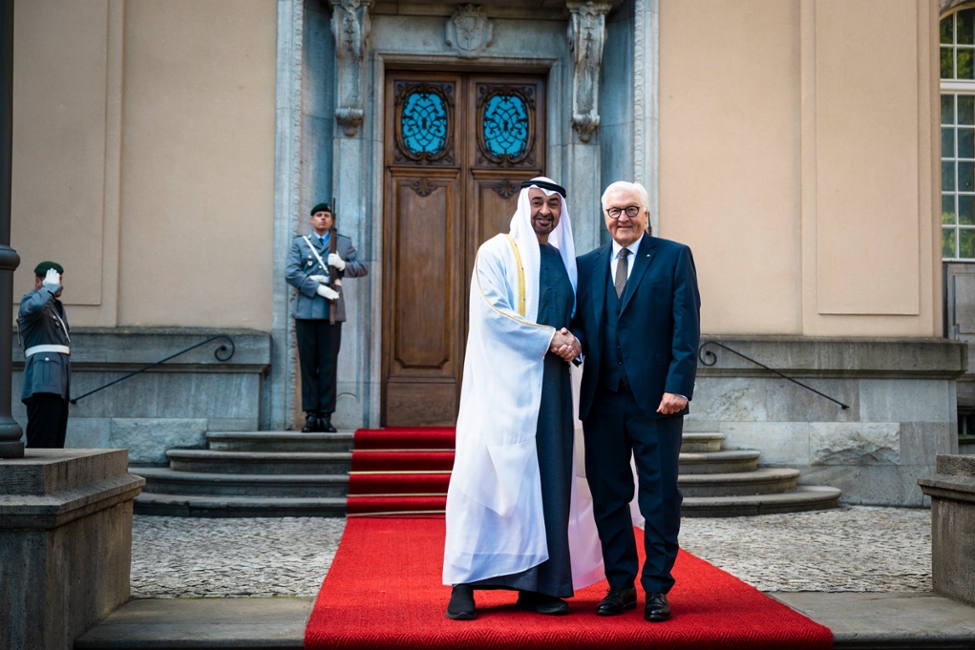
Those who gamble can lose. Merz's initiative to invite American mediators, European heads of government, and a Ukrainian delegation to the German capital to advance the peace process was nevertheless the right one. “There cannot be more diplomacy than there has been in Berlin in recent days and hours,” he rightly said. The result was a surprising declaration by the European participants to set up a multilateral force to secure peace. This was apparently the only way to elicit concrete commitments from the US for security guarantees to Ukraine. Equally surprising was Putin's spokesman Dmitry Peskov's indication of willingness to negotiate on the issue of stationing foreign troops. This is a topic for negotiation, he said.
However, as long as the Europeans — with the exception of Hungary — have no direct contacts with Moscow but rely on American sources, as in the game of telephone, Europe is not really in the game, except as a payer. Trump's negotiators Steve Witkoff and Jared Kushner will meet Putin's confidante Kirill Dmitriyev in Miami over the weekend. And then everything can be completely different again anyway.
.webp)