Of elephants and the desire for destruction
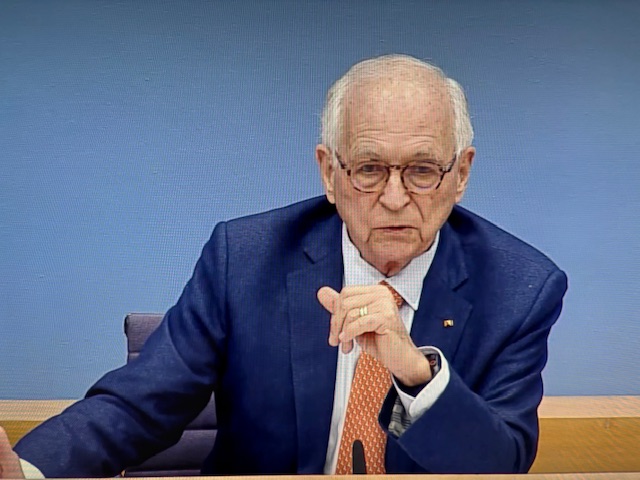
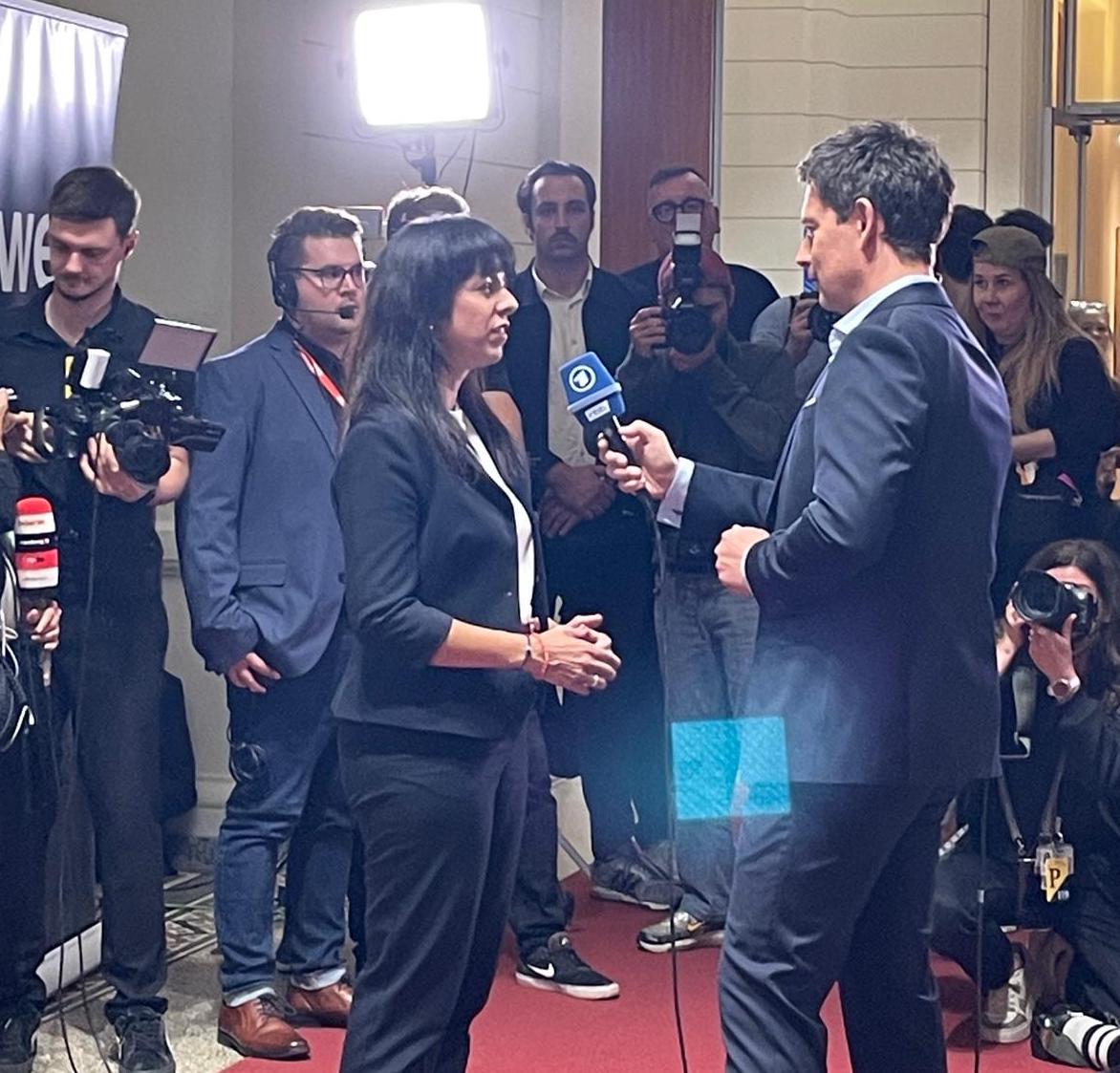
The three-day Munich Security Conference (MSC), which begins this Friday, will focus on the changes in US foreign policy and their impact on the international order, trade, and, in particular, the European security architecture. “I can't remember a time since I took over as director in 2008 when there have been so many conflicts and crises at the same time, some of them systemic challenges,” said Wolfgang Ischinger, MSC director and former ambassador to Washington, on Monday in Berlin. Transatlantic relations, which had always been the backbone of the conference since its founding in 1963, are in a deep crisis of credibility and trust. He hopes that Europeans in Munich will show “that they have heard the shot” and will be able to better represent their own interests in the future. Europe must finally speak with one voice and, among other things, move away from the patchwork quilt in the defense sector.
Last year, US Vice President J.D. Vance caused outrage and irritation among the participants with a speech in which he strongly criticized the domestic political situation in Europe. Foreign Minister Marco Rubio, the highest-ranking representative of the US administration, and a particularly large number of members of Congress and governors, including potential Democratic presidential candidate Gavin Newsom from California, are expected to attend this year's 62nd conference in Munich. More than 50 senators and representatives of the House of Representatives will be attending. Ischinger said he expects Rubio, who is also National Security Advisor, to speak about American foreign policy and not about issues that do not necessarily concern his department.
The long-standing conference is considered one of the largest security policy events in the world, with approximately 1,000 participants from politics, the military, think tanks, businesses, international organizations, and the media attending this year. German Chancellor Friedrich Merz will open the conference with a speech on Friday, in which he is expected to set the tone for the upcoming discussions. Two-thirds of UN member states will be represented by 200 government officials from 120 countries, as Ischinger pointed out. China will be represented by Foreign Minister Wang Yi, and Canada by Prime Minister Mark Carney, who recently caused a stir with a thought-provoking speech at the World Economic Forum in Davos. Official Russian representatives will not be attending, nor will members of the Iranian leadership. Ischinger assumes that if the Russian side were genuinely interested in returning, they would have been in touch. “But nothing, I haven't heard a peep.” An invitation for the Iranian delegation was not upheld after the massacres of civilians.
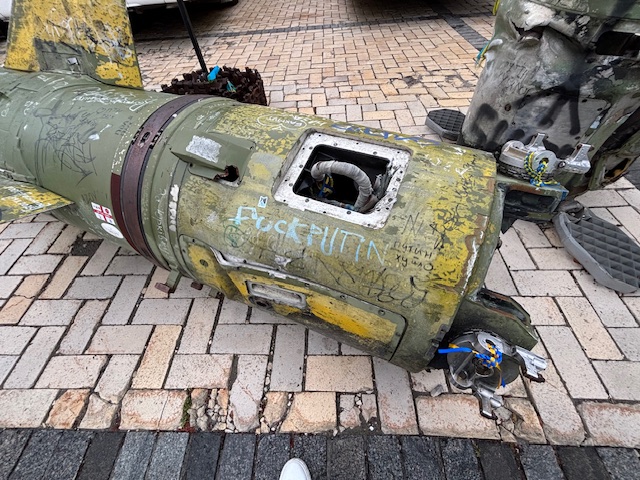
This year's Ewald von Kleist Prize—named after the founder of the original defense conference—will not be awarded to an individual, but rather, according to the MSC chief, to “the brave Ukrainian people,” who have suffered particularly from the bombing of civilian infrastructure in recent weeks. While the Russian delegation pretends to be willing to negotiate in talks with the Americans, it is terrorizing the Ukrainian population, the former diplomat criticized. On the sidelines of the conference, a committee chaired by former Canadian Deputy Prime Minister Chrystia Freeland will meet to prepare for the reconstruction of Ukraine with the help of banks and companies. In addition, an advisory board will be formed to alert the security conference to new technological developments at an early stage in the future.
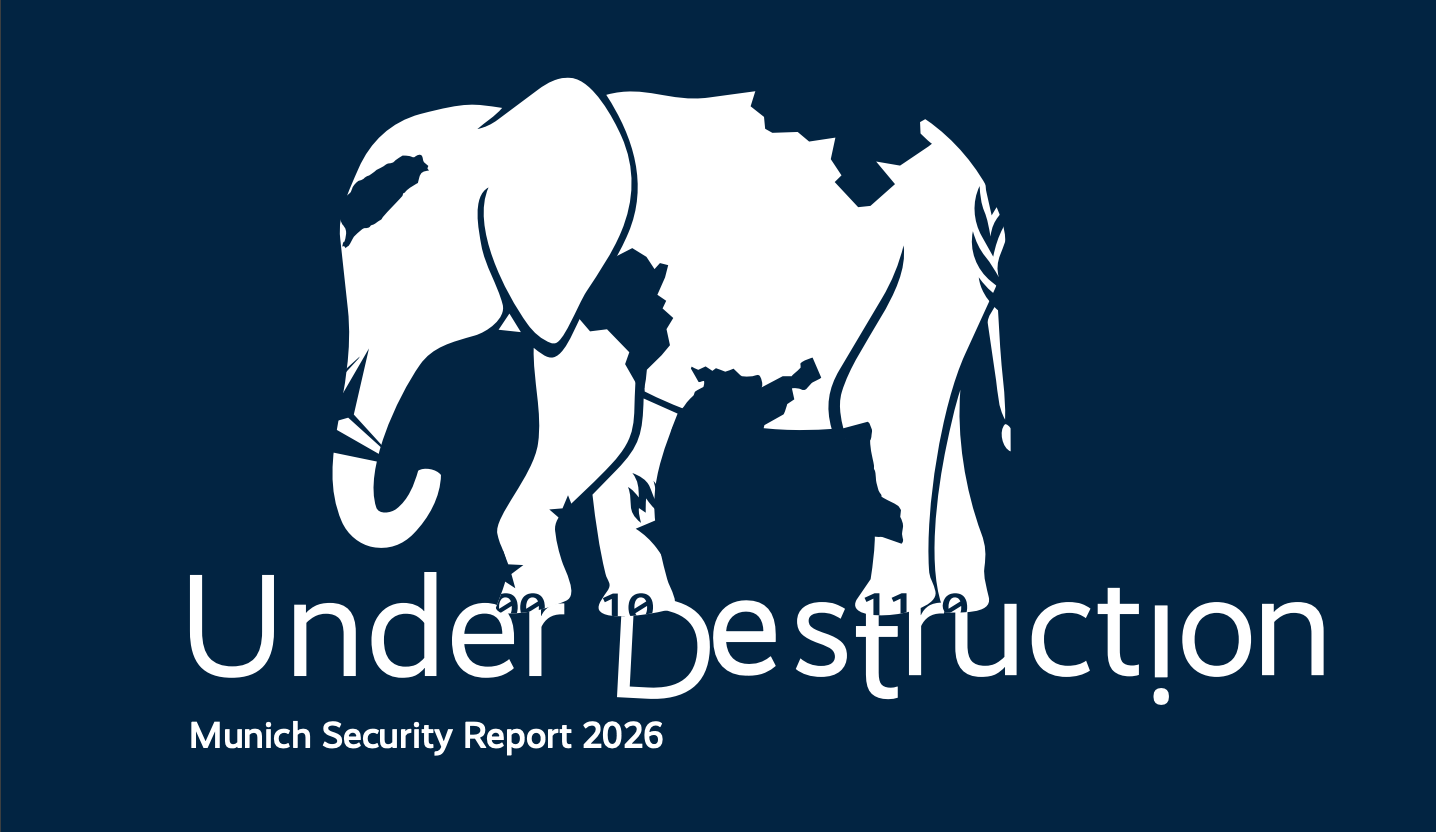
“Under destruction” is the name of the latest Munich Security Report, with a white elephant on the cover symbolizing the US, around which the international political community is currently revolving. The motto refers to the international order, which Trump is effectively demolishing with a wrecking ball. According to Tobias Bunde, co-author of the report, his administration is breaking with three central points of the US's previous “grand strategy”: the conviction that multilateralism does not diminish but rather expands the US's capacity to act, that an open global economy also brings prosperity to the US, and that cooperation between liberal democracies holds strategic advantages for Washington.
However, the desire to disrupt and destroy the world order, as it emerged after 1945, is by no means limited to Trump. The rise of “demolition men” in politics, who bring democratic and liberal societies to the brink of collapse and beyond, men like Argentine President Javier Milei, is one of the most significant trends of the 21st century.
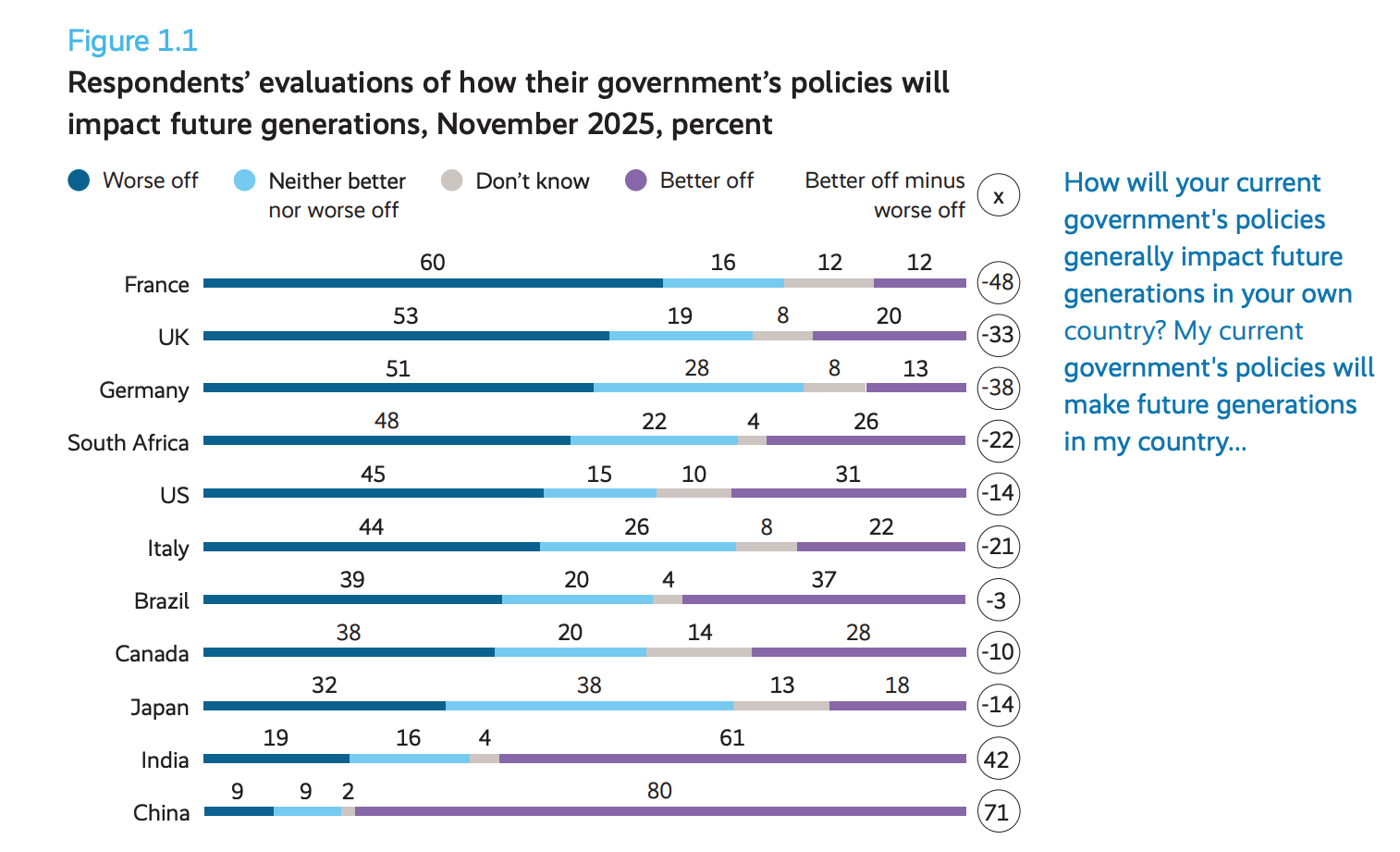
Unsurprisingly, according to the report's surveys, there is a growing sense of pessimism about the future in all G7 industrialized countries, particularly in France, Great Britain and Germany. In these countries, the majority of the population believes that their governments are unable to cope with current problems and offer future generations a better future. Excessive bureaucracy and rampant legalization are preventing necessary reforms. People increasingly perceive their politicians as administrators of the status quo and structures as dysfunctional, and they feel helpless, according to Bunde and his co-author Sophie Eisenkraut. This creates a climate in which bulldozer methods are secretly or openly admired.
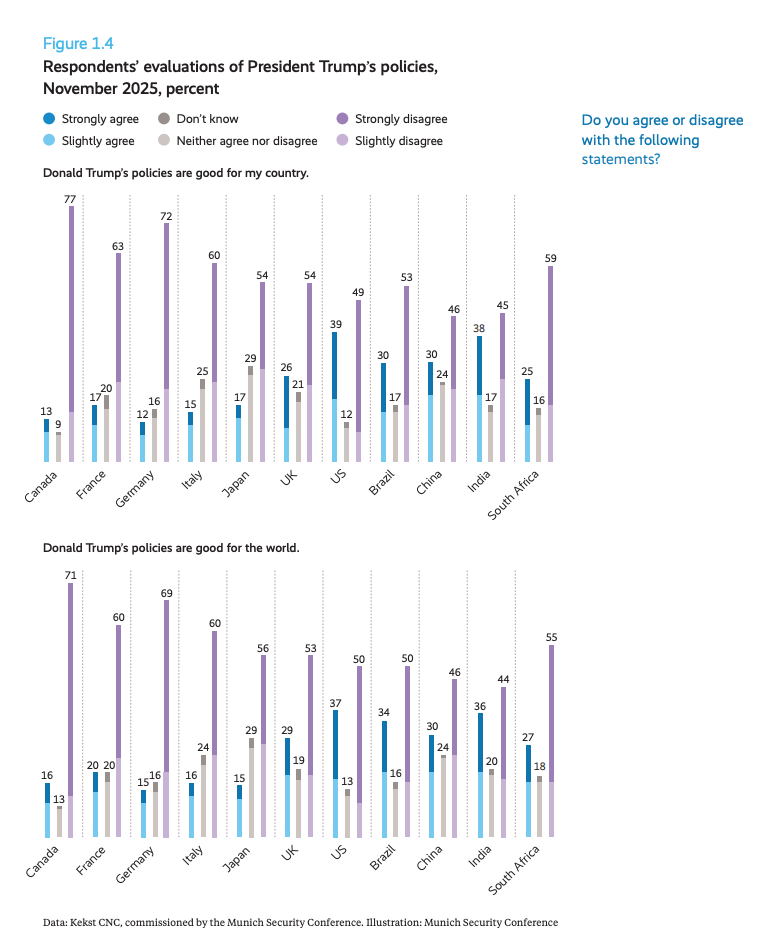
Trump's supporters repeatedly argue that his unconventional methods, including continuous threats of higher tariffs, have positive effects because they eliminate deadlock and force solutions. In fact, according to author Verbenkraut when presenting the report, it is undeniable that Trump has also brought momentum to some political processes with his brute methods - such as the increase in arms budgets in Europe or a ceasefire in the Gaza Strip, albeit repeatedly interrupted. The question is simply who benefits from such solutions and whether private interests are not overshadowing public interests. In the countries surveyed, skepticism about the new US policy prevails, particularly in Canada and the EU member states of Germany, France, and Italy. Even in the US, concerns are growing about an economic crisis or the restriction of democracy.
As Secretary of State Rubio explained during last year's confirmation hearings, the US feels called upon to create a free world amid the chaos because the existing order no longer serves US interests but is being exploited by others. “We don't want to destroy anything,” assured Matthew Whitaker, US Ambassador to NATO in Brussels, during the kick-off event for the security conference on Monday, adding that the US does not want to dismantle NATO, but only to make it stronger and distribute the burden more evenly. Furthermore, he said, the trade agreements created after World War II for the purpose of reconstruction were simply unfair. Europe had generated huge surpluses. The aim now is not to weaken Europe, but quite the opposite: as in a family, the aim is for its members to become stronger and grow. “We are still your best friend and ally,” emphasized Whitaker, a Trump loyalist who was acting attorney general during Trump's first term. However, the possibility of a US withdrawal from Europe, wavering support for Ukraine, and Trump's threats regarding Greenland are increasing feelings of uncertainty in Europe.
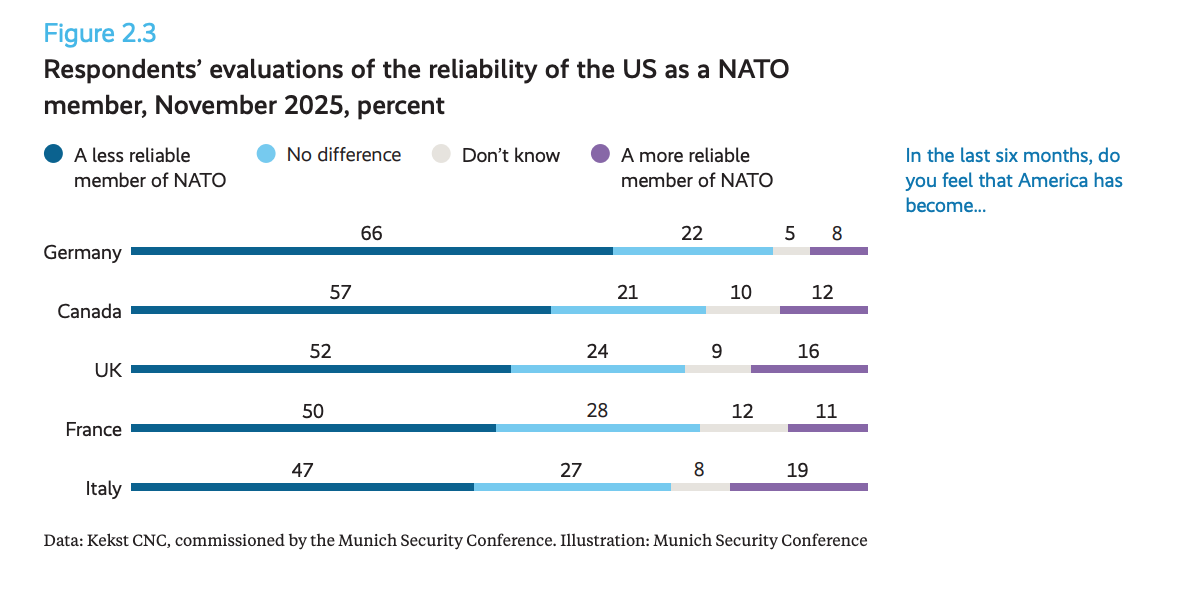
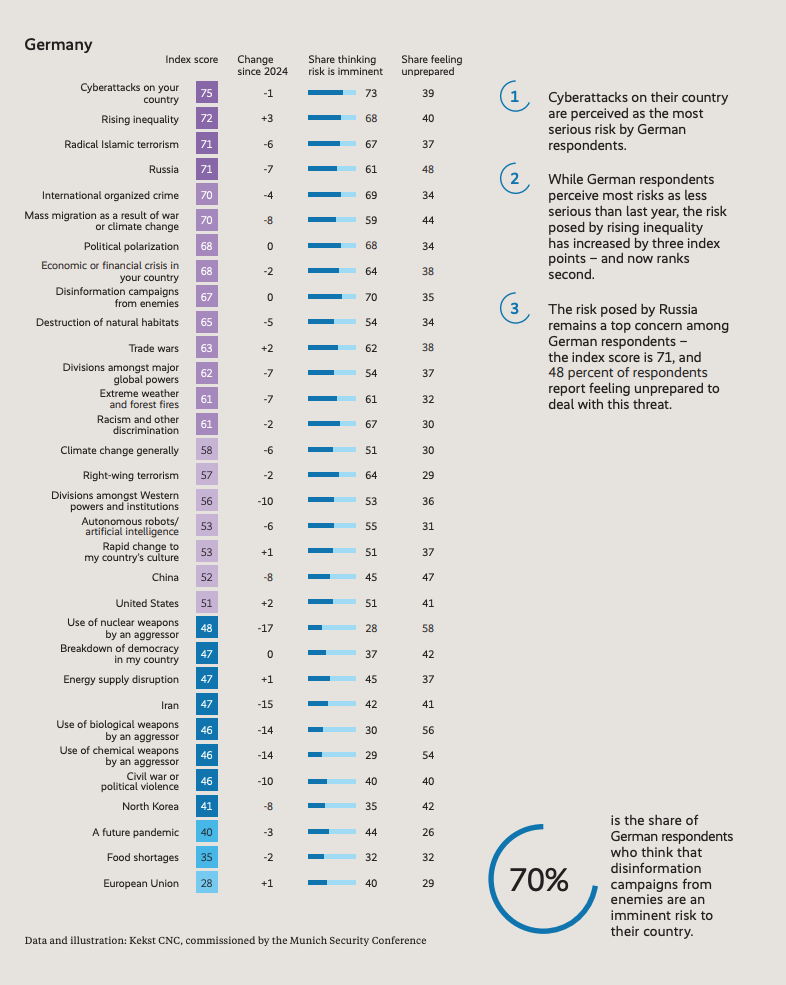
Nevertheless, the United States is not considered the greatest threat among the G7 countries—except in Canada and Germany—but rather Russia. For Japan, the USA, Great Britain and, to a lesser extent, for Germany, it is China. The Munich Security Index, for which over 11,000 people in eleven countries were surveyed, reveals a striking optimism among respondents in India and China. There, risks such as economic crises in their own countries, climate change, growing social inequality, terrorism, and hostile disinformation campaigns are rated significantly lower than in Western industrialized countries. Fear of disinformation ranks highest in Germany (70 percent) and the United Kingdom (68 percent). In contrast, the French and Canadians are particularly concerned about the risks of further trade wars (63 and 73 percent, respectively).
gd
The entire Munich Security Report 2026 can be found here: Under Destruction Munich Security Report 2026