Young Chinese and Germans engage in cultural diplomacy
The “China Inn Festival” has been one of the most important German-Chinese youth music festivals for many years. It took place in Berlin for the first time. There has recently been a breakthrough in communication between the two sides: The children and teenagers no longer communicate solely through the language of music, but are using artificial intelligence for written and spoken translations while staying with their host families in Berlin.
"Unfortunately, the Chinese children can't say much more in English than 'Good morning!'" says the father of a young Berlin flutist. The family hosted two members of the Chinese choir and orchestra. With a little patience and plenty of AI translations, communication was much easier than in previous student exchanges.
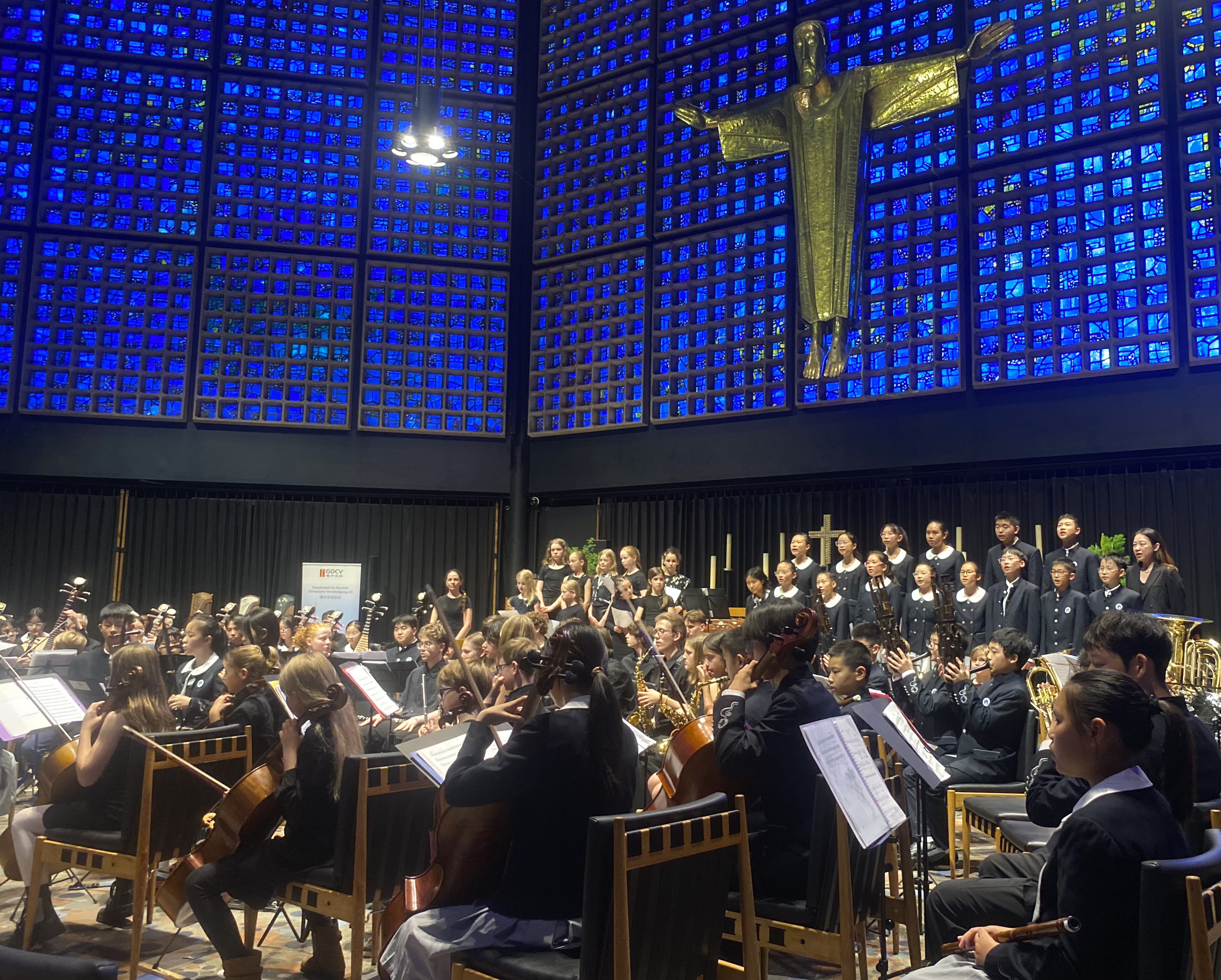
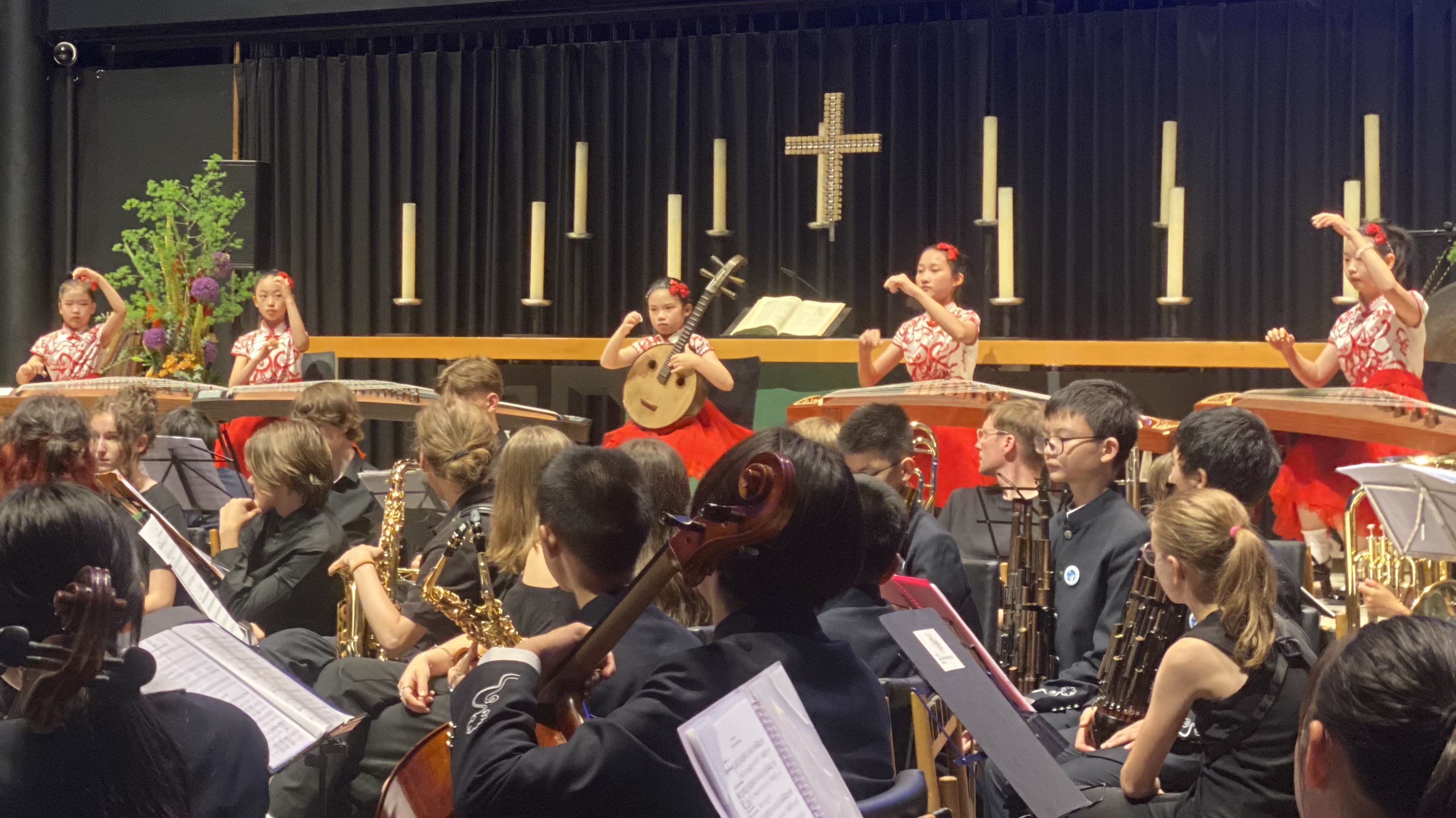
At the closing concert in the Kaiser-Wilhelm-Gedächtniskirche at Breitscheidplatz in Berlin, however, no AI was needed. Music proved to be an effective means of communication. Sixty children from the Kangcheng School in Shanghai visited Berlin and performed alongside students from the Freie Jugendorchesterschule Berlin before an enthusiastic audience. They brought traditional instruments such as the guzheng, pipa, ruan, sheng, erhu, liuqin, and yangqin—instruments that are little known in Berlin. Only the diplomats from the Chinese embassy, who were in the audience at the Memorial Church, would likely have been familiar with them.
Berlin hosted the event for the first time. Until now, the China Inn Festival had been held eleven times in Hamburg. The festival was initiated by the Society for German-Chinese Understanding (GDCV), which uses it as a form of civil society diplomacy. Experience has shown that the connections between German and Chinese children endure for many years after their joint concert rehearsals and performances.
Martina Feldmann, founder and director of the Freie Jugendorchesterschule Berlin, explains just how much more suitable music is as a means of diplomacy and international understanding than sports: “In sports, everyone has to compete against each other; there’s only competition. In music, it’s always about working together. Everyone contributes their part. There’s no competition.”
ekö