Libyan National Museum reopens after 14 years
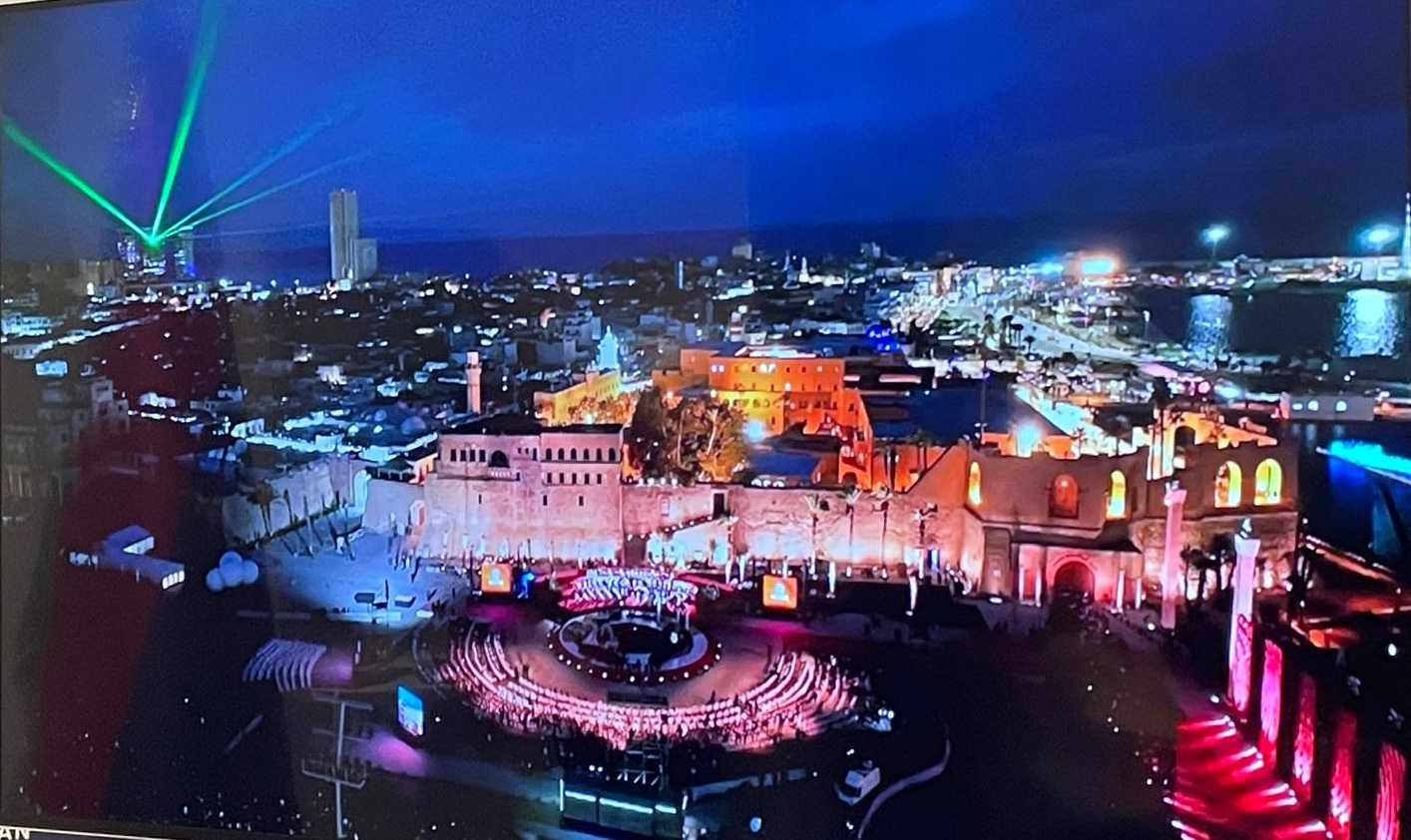
It was a summit meeting of almost all Arab ambassadors in Berlin and a top-class cultural diplomacy event: The opening ceremony of the National Museum in Tripoli, which was broadcast and celebrated live at Divan, the Arab House of Culture.
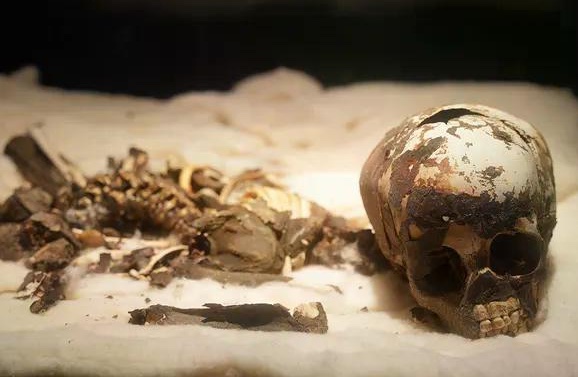
Libya's ambassador Jamal Ali Omar El-Barag invited to attend on Friday — and was visibly proud that the oldest mummy in Africa is housed in this museum: The star of the exhibition is the Uan Muhuggiag mummy.It is a child who lived 5,400 years ago, around 3446 BC. The find tells archaeologists a lot: The art of mummifying was already known in the Sahara — about a millennium earlier than it is known from the Nile Valley.
The National Museum in Tripoli was closed for 14 years due to total renovation. The doors to the museum and thus to the history of Arab identity are now open again. The ceremony was not only broadcast and celebrated at Divan in Berlin-Zehlendorf, but also in Rome, London and Paris.
The museum is located in the historic Red Castle (in Arabic: Assaraya al-Hamra) in the medina of Tripoli, one of the most important architectural complexes in the Libyan capital and an important landmark of Libyan history. The building is of Ottoman origin and has survived all political and cultural periods. It became a museum during the Italian colonial period.
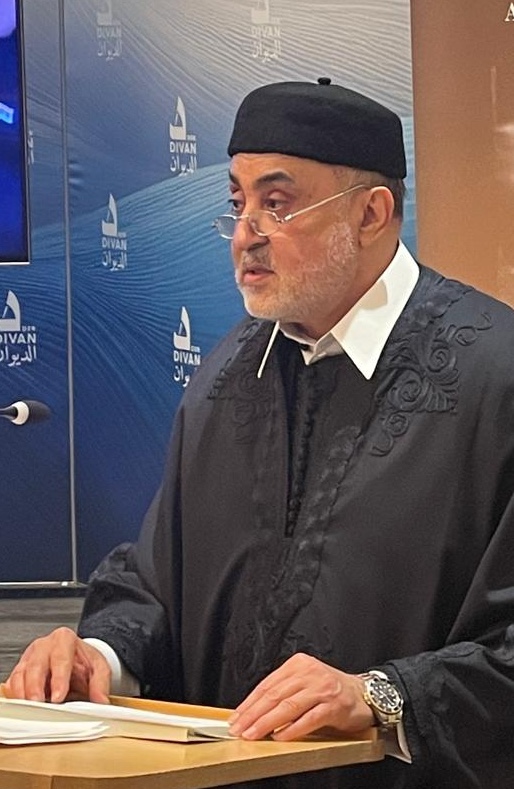
It features archaeological collections from prehistory through the Punic-Phoenician, Greek and Roman phases of Libya to Byzantine, Berber, Islamic and Mediterranean influences and the modern era.
The museum had been closed since the conflict in 2011 – a civil war in the wake of the Arab Spring. This was due to the country's instability, severe damage and security problems. After many years of restoration, largely carried out by Turkish technicians, the museum now shines as the cultural heart of Libya, as praised in official speeches.
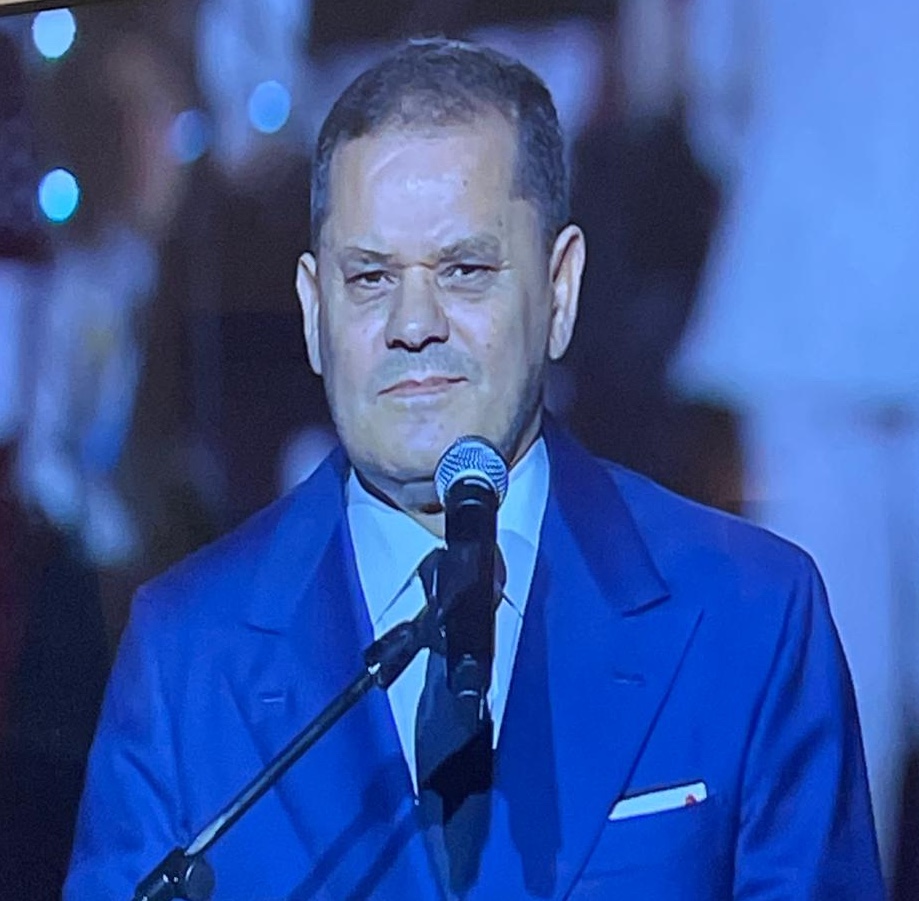
For Libya's Prime Minister Abdulhamid Dabaiba, the reopening of the National Museum and the return of the Red Castle to the public are a symbol of stabilizing the country and an important step towards public image. Friday's ceremony was also intended to revive international cooperation and cultural tourism.
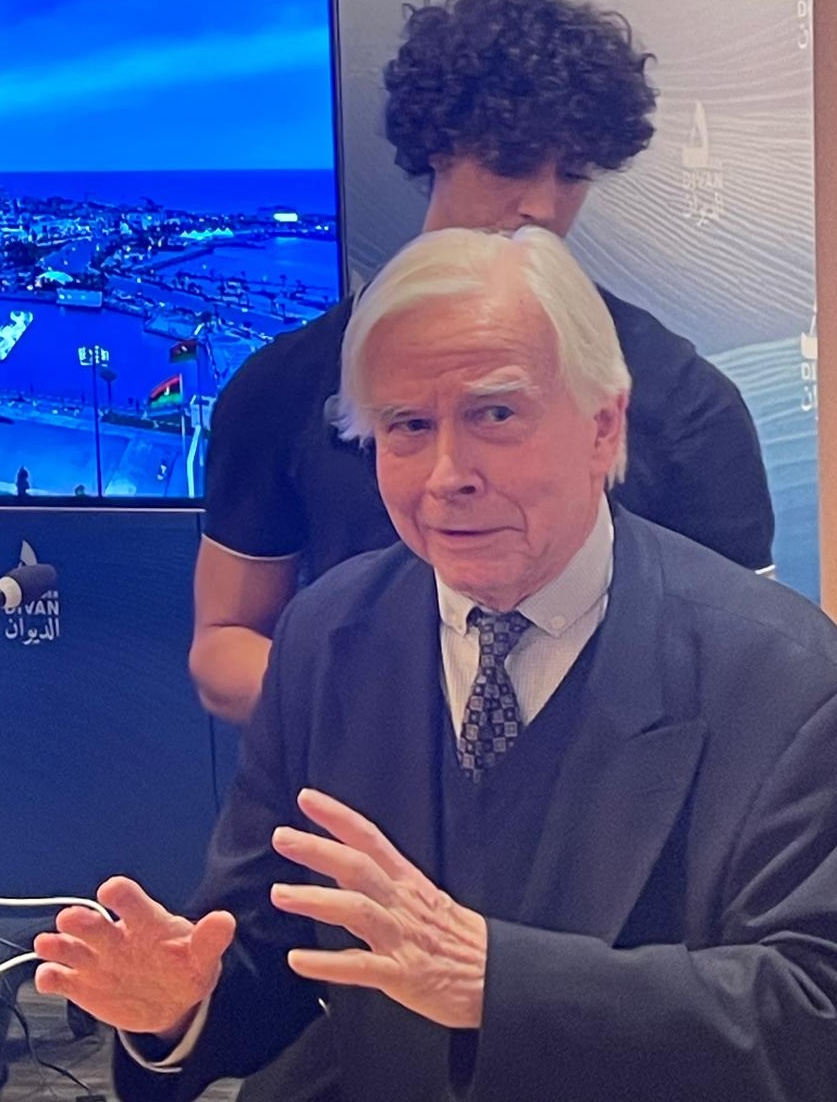
Islamic scholar Prof. Claus Peter Haase, former director of the Museum of Islamic Art in Berlin and member of the Divan Advisory Board, underlined in his speech how a rich cultural heritage is the best medium for attracting attention to a country.
Ewald König
.webp)

.webp)