Who could lead Iran out of the crisis?
By Farhad Payar
Since the nationwide protests following the death of Jina Mahsa Amini in 2022, it has become clear how widespread social discontent with the Islamic Republic is among parts of the population. The demonstrations at that time were initially directed against compulsory veiling and police violence. Within a few weeks, however, they developed into broader criticism of the political system. The slogan “Woman, Life, Freedom” became the expression of a generation that increasingly questions the state's ideological control over public life.
The military escalation caused by heavy air strikes by the US and Israel and counterstrikes by Iran is thus hitting a political system that was already facing considerable domestic tensions. In early January, several thousand people died in new protests, which for the first time also involved social classes that had previously been considered supporters of the mullah regime. The main trigger for the mass demonstrations was the increasingly worsening economic situation.
Washington and Tel Aviv are also justifying the Iranian War with a change of regime.And US President Donald Trump made it clear in an interview with the US digital media outlet Axios that he finds Mojtaba Khamenei, the son of the slain Supreme Leader, unacceptable and wants to have a say in the succession, similar to what happened recently in Venezuela. “Khamenei's son is unacceptable to me, we want someone who will bring harmony and peace to Iran.” It is unclear exactly who he meant, for example from the ranks of the opposition. In Venezuela, only the deputy took the place of the deposed President Nicolas Maduro.
Even the Islamic Republic's two most important partners, Russia and China, currently have no clear “favorite” to succeed the regime. According to many experts, both are fundamentally willing to cooperate with almost any government in Iran, as long as it does not jeopardize their geopolitical and economic interests.
But who could actually offer an alternative to the Islamic Republic, who could shape a transition? The Iranian opposition is politically highly fragmented. Monarchist groups, republican networks, reform-oriented forces, human rights activists and ethnic parties pursue different strategies and interests about the future order of the state. In addition, there is a globally dispersed diaspora that has also developed its own ideas. It is estimated that there are six to seven million Iranians living abroad. Large communities live in the United States, Canada, Germany, France, and Great Britain.
Monarchist movements
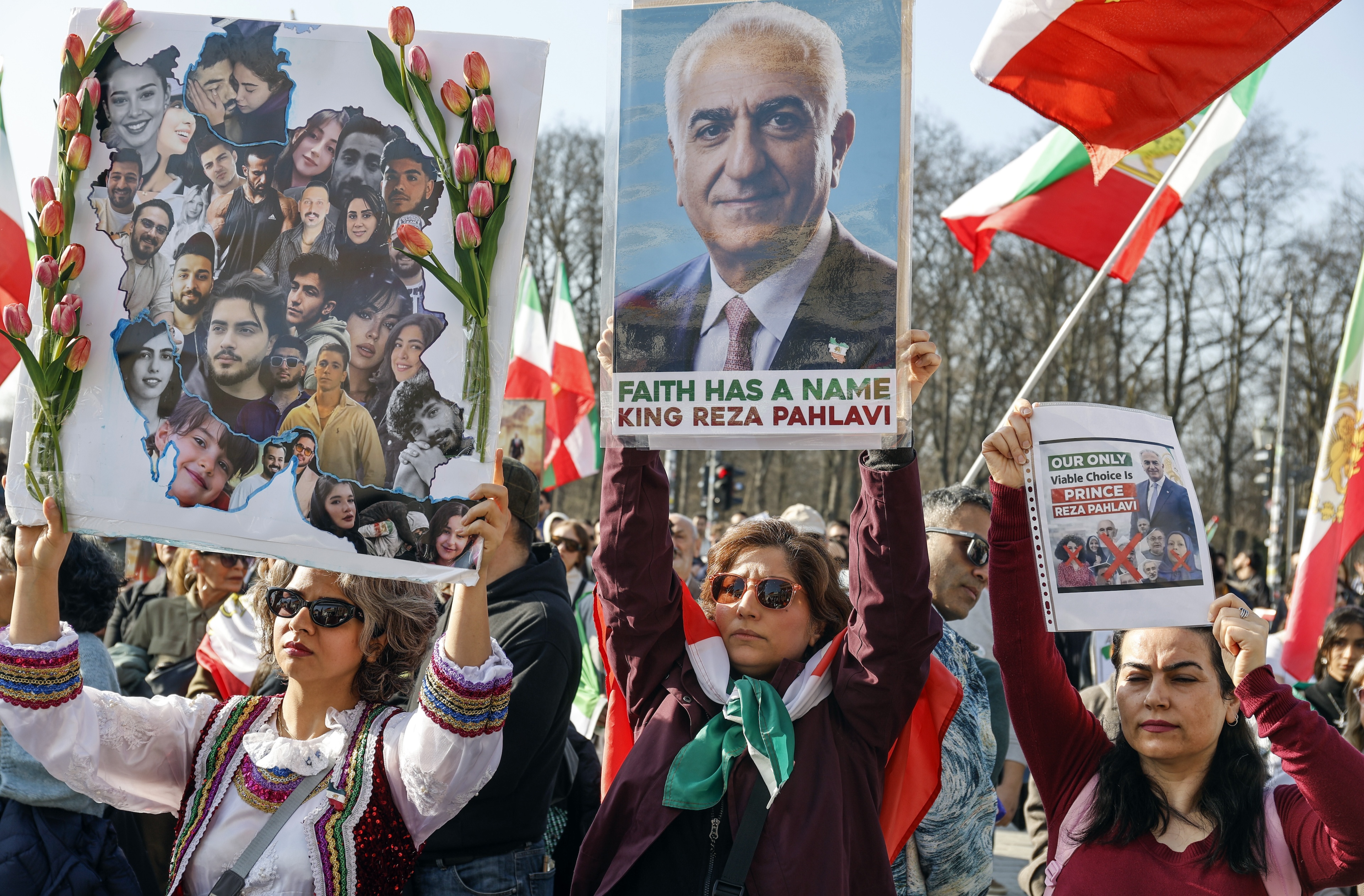
During recent demonstrations abroad, the portrait of one man appears again and again: that of the eldest Shah son Reza Pahlavi. Many protesters also wave flags from the period before the 1979 revolution. Three weeks ago, at a large demonstration on the sidelines of the Munich Security Conference, Pahlavi himself called on the US to help the Iranian opposition. The visible support for him gives the impression that the former crown prince has a particularly large number of supporters, at least among exiled Iranians. However, it is difficult to assess how popular he is in Iran itself. Observers' assessments range from a rather symbolic following to a potential majority in free elections.
Some members of the opposition actually look back nostalgically on the years before the Islamic Revolution. For many young Iranians today, the era of Mohammad Reza Pahlavi today stands primarily for personal freedoms in everyday life, cultural openness and less regulated public life. At the same time, however, the political system of that time was authoritarian and barely allowed opposition forces.
Reza Pahlavi has been living in the United States, particularly in the Washington area, for decades. He works as a political activist, speaker, and commentator on Iranian issues and, according to his own statements, finances himself from family assets.
Within the monarchist camp, there are different ideas about the future form of government. While some are in favour of a return to the old monarchy, so-called constitutionalists argue for a constitutional monarchy based on the European or Japanese model.
Pahlavi himself regularly emphasizes that the population must decide on the form of government in free elections. He has stated on several occasions that if the country decides in favor of a republic, he would also accept the role of president. Politically, he advocates a secular democracy, the separation of religion and state, and greater integration of Iran into the international community.
Pahlavi's role in international politics is also viewed differently. When repeatedly asked whether he saw Pahlavi as a possible future leader of Iran, US President Trump stated several times that he was “a good person,” but expressed doubts as to whether he was actually suited to lead the country politically.
The 65-year-old has also forged particularly close ties with Israel among Iranian opposition leaders and has repeatedly called for increased international pressure on the Islamic regime. He has even thanked Israel and the USA for the recent air strikes on Iran.
The organized opposition in exile
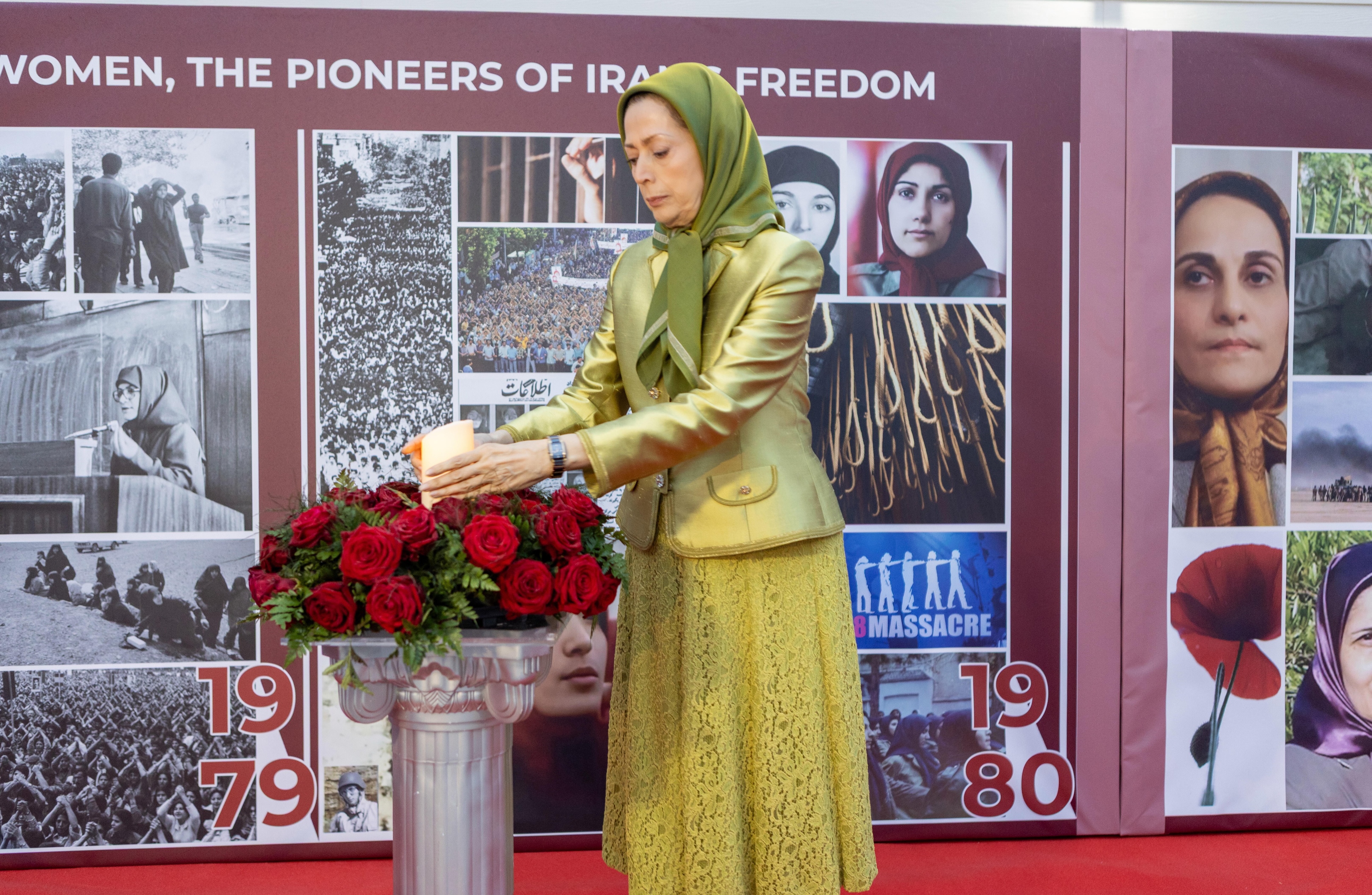
One of the most structured opposition movements abroad is the People's Mojahedin Organization of Iran (MEK). The organization was founded in 1965 by opposition students. Ideologically, it attempted to combine elements of Shiite Islam with Marxist social concepts. The regime of Mohammad Reza Pahlavi regarded the group as a revolutionary underground organization and persecuted its members; many leading activists were arrested or executed.
After the Shah was deposed and fled, the Mojahedin initially supported the overthrow of the monarchy, but soon found themselves in open conflict with the new Islamic leadership around Ruhollah Khomeini. In the early 1980s, they were banned in Iran and eventually went into exile.
Today, the movement is led by 72-year-old Maryam Rajavi, who has played a central role in the organization's leadership since the early 1990s. In 1993, she was appointed by the opposition umbrella organization “National Council of Resistance of Iran” (NCRI) as the designated president of a possible transitional government. Her husband, Massoud Rajavi, co-founder of the NCRI, has not appeared in public for many years.
Maryam Rajavi lives mostly in exile in France. Her ten-point political plan includes free elections, equal rights for women and men, the abolition of the death penalty and the separation of religion and state.
The organization has a dense international network and regularly organizes large conferences in exile. However, its support within Iranian society remains limited. Many Iranians remember that during the Iran-Iraq War in the 1980s, the organization fought alongside Iraqi President Saddam Hussein against the Iranian army.
In addition, critics describe its internal organizational structure as highly hierarchical. Female members appear in public wearing strict Islamic headscarves, and the organization presents itself as a movement of devout Muslims. For many young Iranians who grew up under the religious rules of the Islamic Republic, this symbolism is not very appealing—even though some observers argue that a religious transitional figure might be more acceptable to parts of society than a radical break.
Republican alliances
In addition to monarchists and Mojahedin, there are numerous republican groups in exile. One attempt to bring these movements together is the Iran Transition Council, which was founded in 2019.
The alliance is trying to align monarchists, liberals, socialists, and ethnic parties on a common transition strategy. The final form of government is to be determined by a constituent assembly.
So far, however, this and other alliances have failed to establish a unified political leadership of the opposition.
Ethnic groups
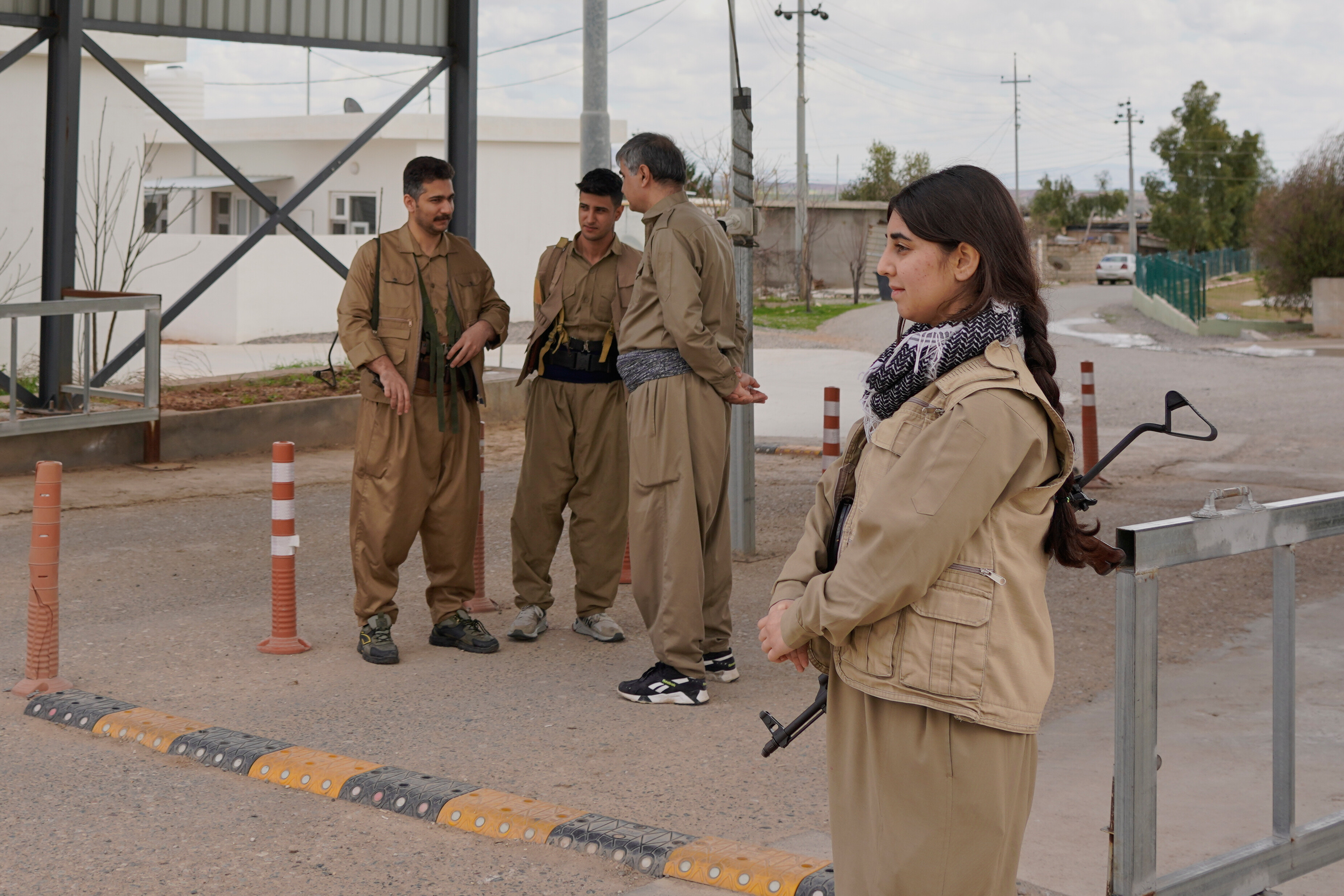
Ethnic minority parties play an important role within the opposition, particularly in the Kurdish northwest of the country. Kurds make up an estimated eight to ten percent of the Iranian population.
The most important organizations include the Democratic Party of Iranian Kurdistan (KDPI) and the Komala Party of Iranian Kurdistan. Both are political parties as well as armed organizations. Their military units mostly live and train in camps in neighboring Iraqi Kurdistan. While the KDPI is historically more nationalistic and demands extensive autonomy within a federal Iran, Komala traditionally sees itself more as a left-wing, socialist movement.
Many Kurdish groups accuse the Iranian central government of decades of political and cultural discrimination. In a possible political upheaval, their armed units could attempt to influence developments in the country. US broadcaster CNN reported that the CIA was working to arm Kurdish forces and persuade them to launch a ground offensive in Iran. The US government denied this, but confirmed Trump's talks with Kurdish leaders in northern Iraq.
Balochi in the southeast and Arab groups in the oil-rich Khuzestan province are also politically organized, although significantly weaker. These mostly Sunni groups are fighting primarily against the security forces of the Shiite state. Their demands mostly focus on religious equality, political autonomy and economic development in their regions.
Civil society voices
In addition to political organizations, individual activists have considerable moral authority within Iranian society.
One of the most famous is Nobel Peace Prize winner Narges Mohammadi, who has been campaigning against the death penalty and for women's rights for years and has been imprisoned several times. Human rights lawyer Nasrin Sotoudeh is also regarded as a symbol of civil society resistance. Both still live in Iran.
Other prominent voices include US-based journalist Masih Alinejad, who organizes international campaigns against the headscarf requirement, and former judge and Nobel Peace Prize winner Shirin Ebadi, who has been living in exile in the UK for years.
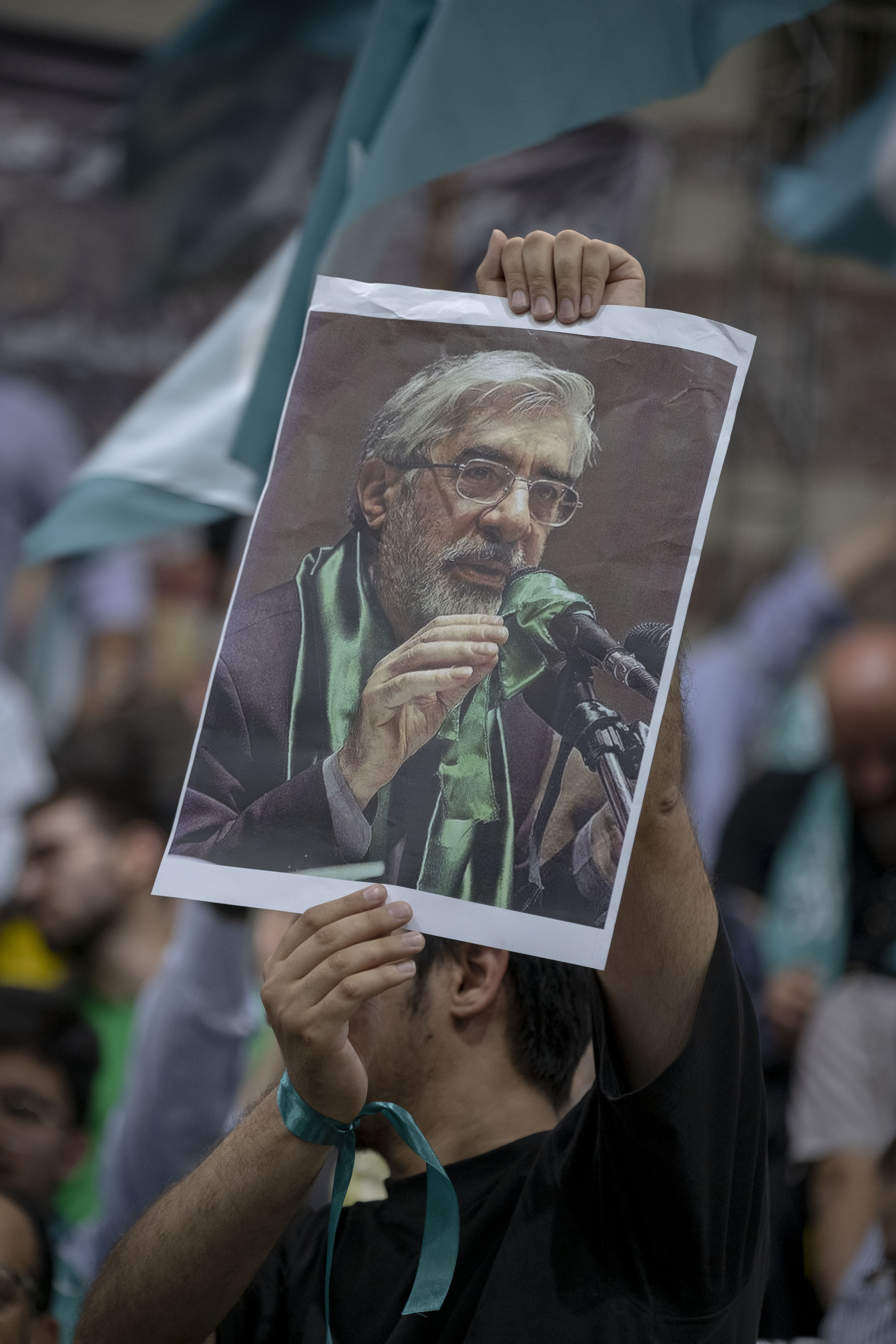
Former reform politicians could also play a role again in a political transition. Mir-Hossein Mousavi was Prime Minister of Iran from 1981 to 1989 and became a symbol of the so-called Green Movement after the disputed presidential election in 2009. He has been under house arrest since 2011.
The reformist politician Mostafa Tajzadeh was Deputy Minister of the Interior under President Mohammad Khatami and one of the most important architects of the reform policy of that time. He was imprisoned several times for his criticism of the political system.
If political prisons were to be opened during a period of upheaval, such figures could regain political significance.
Scenarios of a political transition
In addition to the transfer of political power to opposition forces from within or outside the country, many observers consider another scenario possible and some even more likely: a succession within the existing elite.
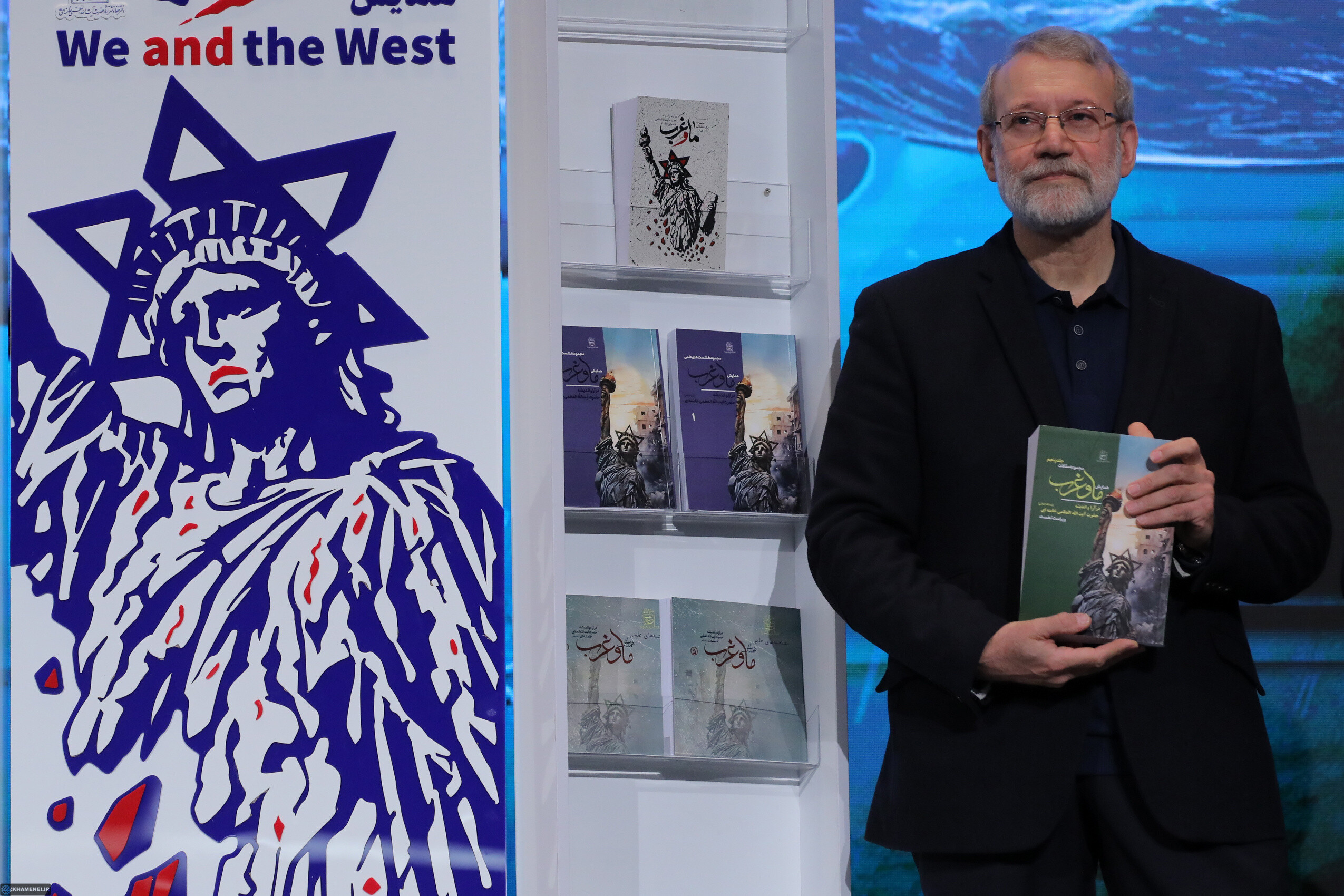
In this model, a politician from the establishment would be presented as a moderate new leader in order to stabilize the system. One possible candidate mentioned is 67-year-old Ali Larijani, a confidant of Khamenei who has failed three times in his attempts to become president of Iran. The son of an influential ayatollah, he was, among other things, head of state radio and Iran's nuclear negotiator in talks with Western countries, as well as speaker of parliament from 2008 to 2020.
As head of the National Security Council, he made a name for himself with fiery comments, especially after the war, but he is considered a pragmatic conservative with connections to various centers of power within the system. Larijani studied Western philosophy in Tehran and earned his doctorate with a thesis on the German philosopher Immanuel Kant.
The so-called Transitional Council of Iran wants to present a successor to Ayatollah Ali Khamenei soon. However, Israel has already announced that they will kill “every successor.”
The future of Iran? It is difficult to predict because it depends on many factors, the internal mobilization capacity of society, the reaction of remaining centers of power, the attitude of opponents of the war USA and Israel, and the ability of a potential new leadership to create economic stability. The regime can adapt, subordinate, or be replaced by an uprising. Only one thing seems certain: Iran and the Middle East will emerge from this war different than they were when they entered it.
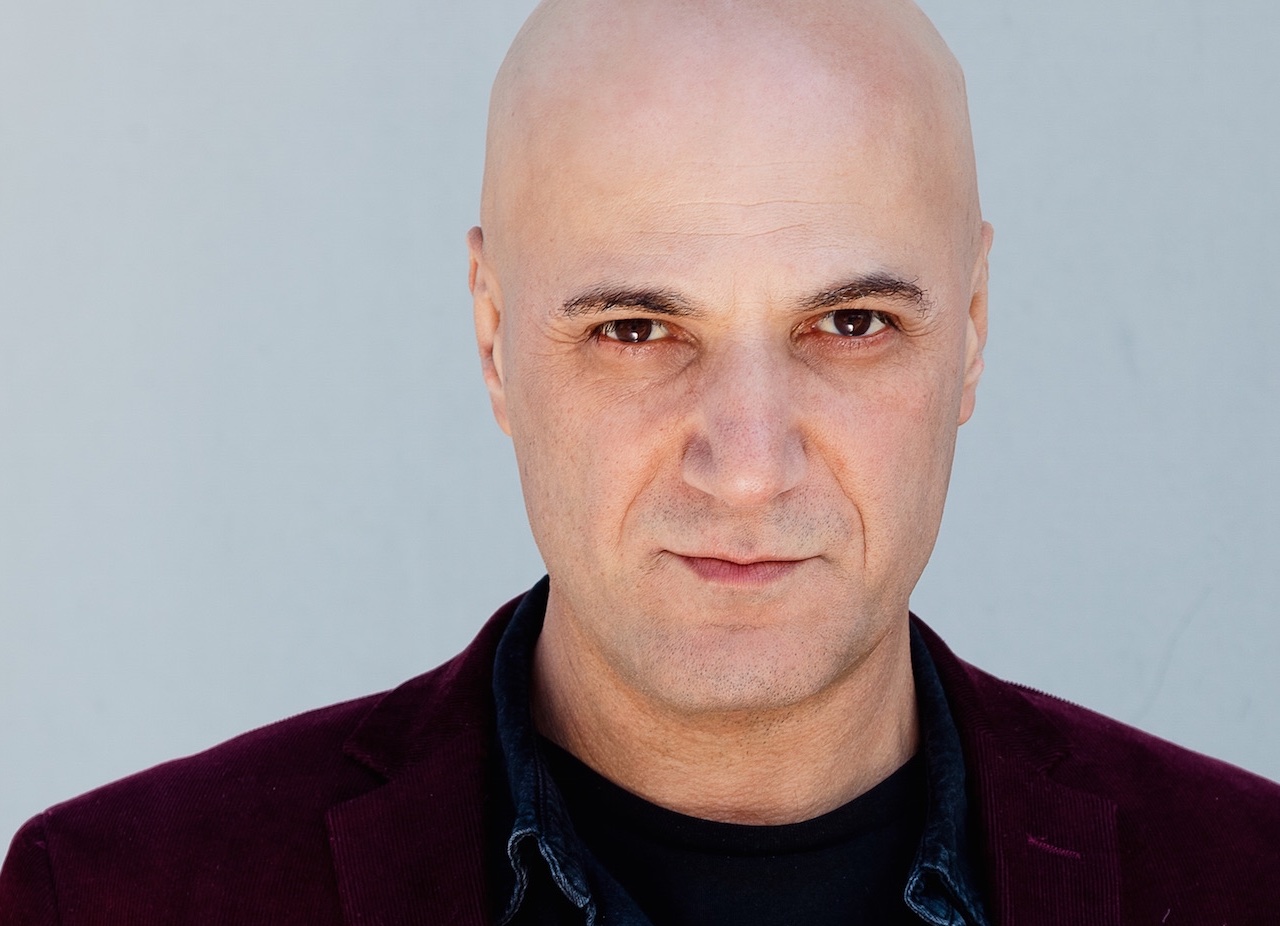
Farhad Payar, born in Iran, has lived in Germany since 1980. He studied political science at Freie Universität in Berlin and now works as a film and theatre maker and as a freelance journalist (Deutsche Welle, Die Zeit, WDR and others) in Berlin. From 2011 to 2024, he directed the Iran Journal, in which Iranians in exile write about their country.

%20(1).webp)