Ten lessons from history for Europe's rearmament
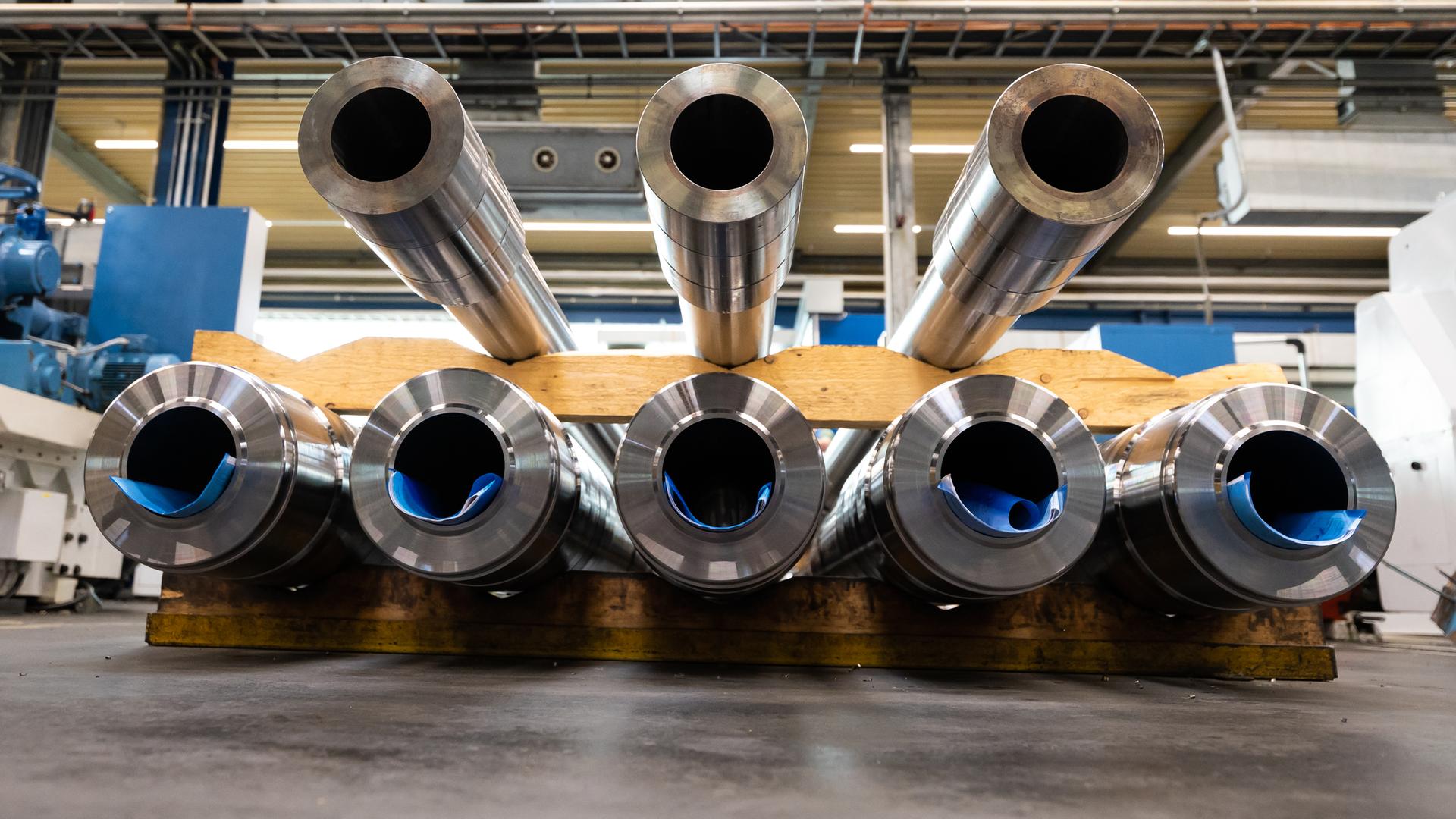
Most European countries have neglected their readiness for war. That undermines deterrence and can even bring aggression forward, warns economic historian Mark Harrison (University of Warwick) in a new Kiel Report. From two world wars, he draws ten lessons on how Europe can prepare its industry for war.
In the 1930s, the democracies of Japan and Italy threatened sanctions but were not militarily prepared to implement these threats. The aggressors saw this as a sign of weakness. According to Harrison, this pattern was repeated when Russia annexed Crimea and invaded Ukraine. Today, while Russia is waging a full-scale war against Ukraine, Europe only spends about a third of the share of its gross domestic product (GDP) on defense that Russia spends on defense.
“For thirty years, I explained to my students that the economics of world wars were history because nuclear weapons would prevent long wars between major powers. I was wrong. Ukraine shows that wars of attrition are back,” says Mark Harrison, professor at the University of Warwick, member of the Centre for Competitive Advantage in the Global Economy (CAGE) and the Centre for Economic Policy Research (CEPR).
The Kiel Report “Industrial Policy for Defence: Lessons from History” starts with a fundamental question: Why does arms production need government support at all when public spending is already creating a market for weapons? Harrison gives two reasons for the first two of his ten lessons.
Lesson 1: Arms factories need public funding
Private companies are reluctant to build factories that may only be needed for a short period of time or not at all. During World War I, it took Germany two years to recognize this problem. When the country launched an extensive factory program in 1916, it was too late. Some projects were no longer completed until they were defeated.
So-called capacity contracts are a modern solution. In doing so, the state pays defense companies a fee for building up production capacities that go beyond what is needed in peacetime. “No company is going to build a factory that may only be used for a few months or not at all. If governments want these capacities, they must share the risk,” says Harrison.
Lesson 2: The biggest enemy of mobilization is frictional losses
When the major powers went to war in 1914, they only had supplies of ammunition, which should last for a few weeks or months. Soon there were also shortages of guns, uniforms and food. Factories were overwhelmed by conflicting orders. Foresighted planning reduces such frictional losses — even if the plans later prove to be wrong. That is the conclusion of the report.
Further lessons: Self-sufficiency is an illusion
Making an economy independent of foreign supplies initially appears to be a contribution to security. In both World Wars, however, this increased war costs. National Socialist Germany produced synthetic fuel from coal. Around half a million workers were tied up for this, and production was extremely expensive. Britain, on the other hand, relied on allies and trading partners. As a result, his war economy proved to be more flexible and less expensive.
There is no technological way out of the war of attrition
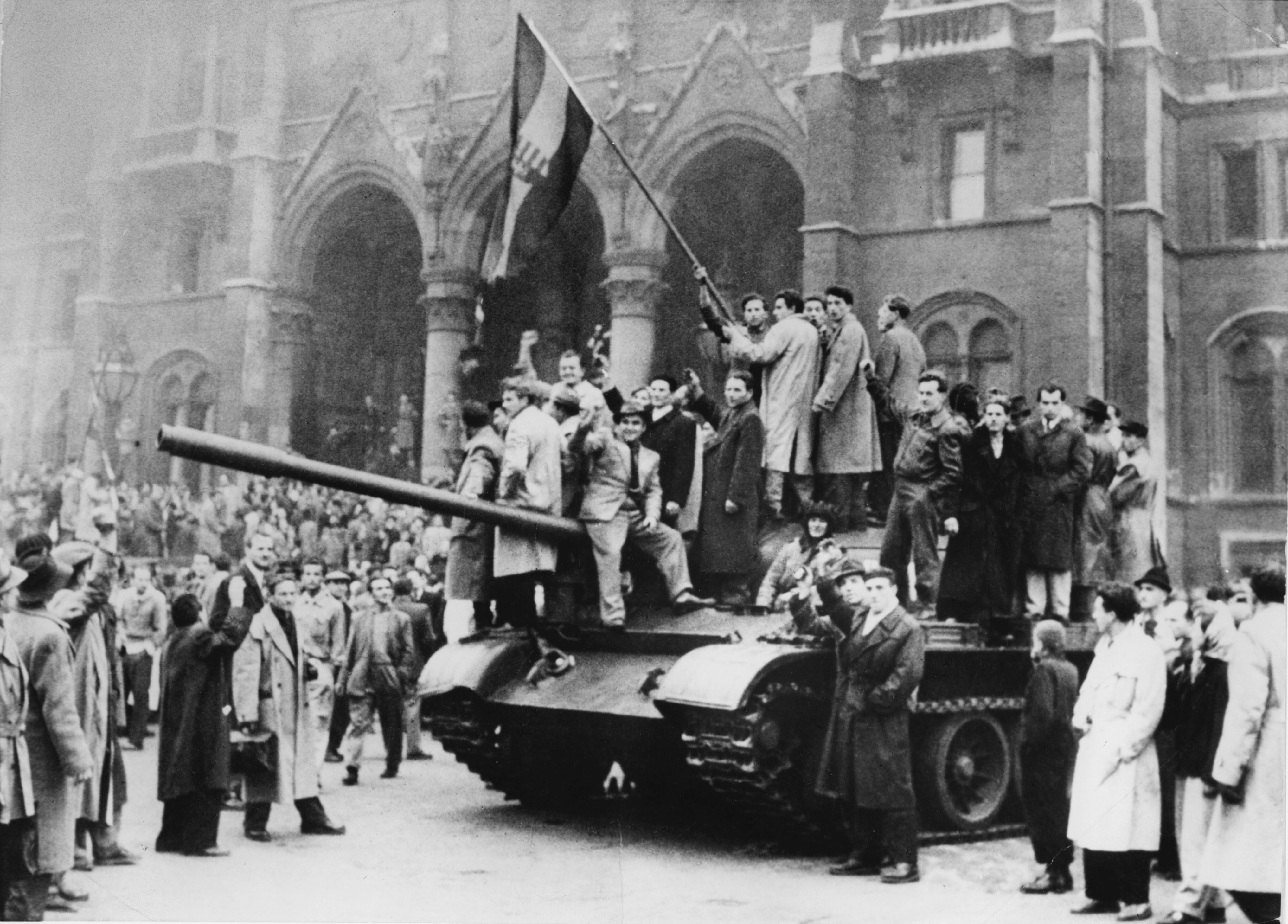
In both World Wars, political and military leaders dreamed of a weapon that would quickly end the killing: in the First World War of poison gas and submarines, in the second of long-range bombers, the so-called retaliatory weapons (V-weapons) and the atomic bomb. None of these weapons ended the war of attrition. Technological superiority could only help to accelerate the enemy's exhaustion. Ukraine shows that a war of attrition can take place even under nuclear protection.
Incompetence and self-interest are luxury goods
The German aircraft industry had extensive resources during World War II, but was so poorly organized that it fell far behind. The military's constant demands for higher quality and new modifications prevented long, efficient production runs. The economically superior Allies could afford to make such mistakes — their opponents could not.
Gross domestic product is decisive again
Economic size sets the upper limit for what resources a country can mobilize for war. During World War II, Japan spent around 75 percent of its GDP on war — significantly more than the United States. However, the US economy was almost five times as large as the Japanese economy. The advantage of scale only becomes irrelevant when one side is more decisive than the other. In the Vietnam War, the US economy far surpassed the North Vietnamese economy. North Vietnam, however, was determined to fight at any cost — and that was decisive. “Geopolitical rivalry is back, and so is the importance of GDP. Russia's GDP alone is five times as large as Ukraine's. However, Ukraine's GDP, together with that of its partners, is many times larger than that of Russia. Not only economic performance but also determination is being tested,” says Harrison.
War isn't the only risk
An industrial policy focused on war creates interest groups that are difficult to push back. In Great Britain, the close ties between government and industry created during the war weakened competition and slowed economic growth for decades. Yet Harrison believes that these risks are lower than the immediate threat of renewed war between major powers. “Europe will spend significantly more on defense in the coming years. The question is no longer whether but how. The 20th century is the largest field of experimentation available to us for this question. Mark Harrison's ten lessons belong on the desk of every Ministry of Defense in Europe,” says Moritz Schularick, President of the Kiel Institute for the World Economy.
You can read the full report here: Kiel Institut

The author of the report
Mark Harrison is Professor Emeritus of Economics at the University of Warwick (UK). The economic historian is an expert on Russia and the economic history of defence and security.
Note: Panel discussion
Mark Harrison will present the report on 14 October 2026 at 6.00 pm at the Federal Press Office (Reichstagufer 14, 10117 Berlin). Sönke Neitzel and Moritz Schularick will also be taking part in the event. Anna Engelke (ARD) will be moderating. The event is organised by the Kiel Institute for the World Economy, the German Atlantic Society and the University of Potsdam.

.webp)