Focus on Central Asia
Since Russia's invasion of Ukraine, Germany's geopolitical interest in the Central Asian states has also increased. Since then, there have been several high-level meetings, including within the EU framework, focusing in particular on investments in the region's raw materials sector. However, the talks have not really gotten off the ground so far. Foreign Minister Johann Wadephul (CDU) has now invited his counterparts from Kazakhstan, Uzbekistan, Kyrgyzstan, Tajikistan and Turkmenistan to Berlin for a dialogue. According to Vladimir Nikitenko, Director for Central Asia at the Ost-Ausschuss der Deutschen Wirtschaft (German Committee on Eastern European Economic Relations), the economic policy part of the talks, to which around 30 German companies and associations have been invited, will focus on the topics of raw materials, energy, logistics, and agriculture.
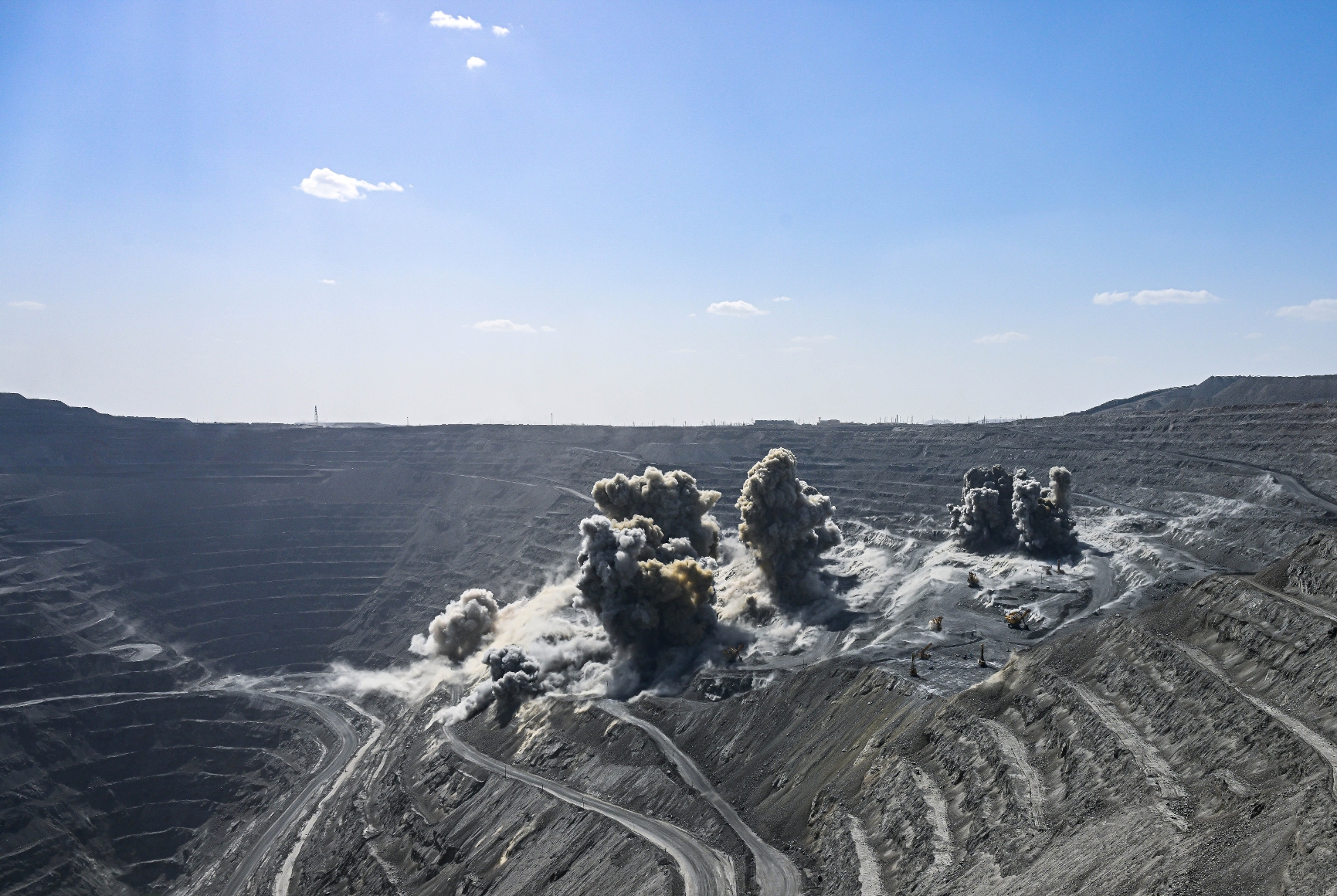
The region, with a population of 80 million and an area eleven times the size of Germany, is home to many raw materials, including gas, oil, copper, gold, tungsten, and potassium, as well as the particularly sought-after rare earths and lithium, which is important for batteries. Kazakhstan alone could supply 19 of the 34 critical raw materials listed by the EU. However, the market in the five “-stans” is highly sought after – by Chinese, Russian, American, and Australian mining companies, which invest not only with more capital but also with a greater willingness to take risks than German or European companies. China obtains a significant portion of critical minerals from Central Asia, the Russian state-owned company Rosatom holds large shares in uranium mines, and American companies develop Caspian oil fields.
Nikitenko also sees potential for the German automotive industry. Uzbekistan is investing heavily in its automotive industry and aims to more than double its car production to around one million vehicles per year by 2030. Last year, VW announced its intention to set up car production there in partnership with the state-owned company UzAvtosanoat.
gd
.webp)