The German IT mystery
Column by Ewald König
I recently experienced a week that was dominated by foreign IT tutoring. The Indian Ambassador in Berlin, Ajit Gupte, and many experts discussed India's “development aid” for Germany in terms of IT.
Shortly after the India event, another conference took place at the Embassy of Uzbekistan. The Uzbek ambassador, Dilshod Akhatov spoke, followed by dynamic industry experts from his country. On the German side, a representative of the new Federal Ministry for Digitalization was present (who had to admit that even after 100 days of government, the employees had not yet received business cards). Here, too, the focus was on IT tutoring for Germany. And again, I couldn't get the mystery out of my head.
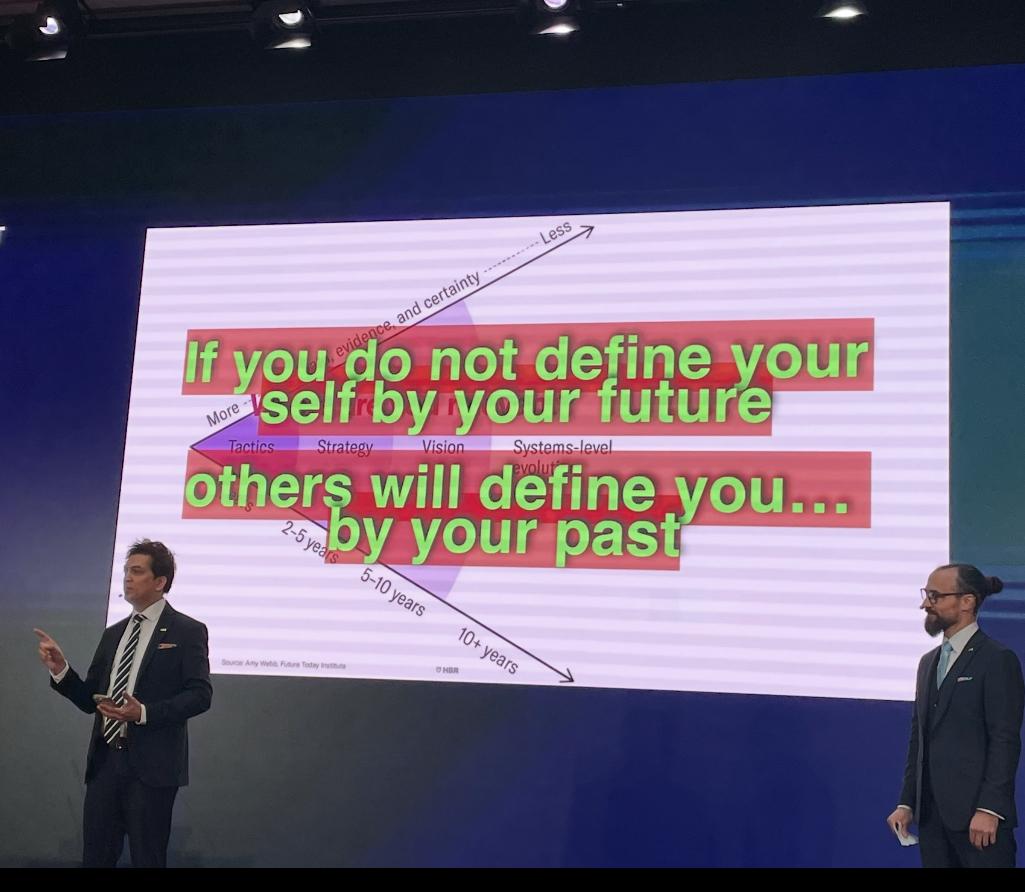
This was immediately followed by a two-day AI conference at Divan, the Arab House of Culture in Berlin-Zehlendorf. Renowned international experts spoke and discussed. . No official representatives from Germany were present. Despite early inquiries, no one had time to attend, neither from the Ministry of Digital Affairs nor the Ministry of Research, which is also responsible for artificial intelligence. Simply no one.
It is remarkable how international competition for IT services for Germany is developing. Indians have almost had a monopoly so far. Chinese and Russians are also active. Even Austrians are lending a hand; their country is more advanced than Germany in terms of digitalization. And now Uzbekistan is also entering the fray with its offerings. It is promoting its young experts, 30,000 of whom graduate from technical colleges every year, and pointing out the advantages it has over India. These include not only the fact that Central Asians are culturally closer to Europeans than Indians and that many young Uzbeks even speak German, but also that the time zone is more favorable for Uzbekistan than for India. The smaller time difference is simply better suited to the Central European workflow. As in India, the labor costs for IT specialists in Uzbekistan are around two-thirds cheaper than in Germany
The German puzzle that leaves me baffled: How does it all fit together? We have been hearing for decades that Germany has no natural resources and is therefore dependent on its intellectual abilities. Education was therefore always given particular value. For decades, we have also been seeing campaigns aimed at getting young people, especially girls, excited about STEM subjects, i.e. mathematics, computer science, and technology.
Now I have to question the results of this German education policy. The result is that there is a shortage of 140,000 IT staff in Germany. 140,000! How is Germany supposed to connect with the present without Indian, Chinese, Russian, Uzbek and all the other non-German IT experts? How could Germany ever catch up with its embarrassing backlog in digitization without these modern immigrant workers? I mean the question seriously. It is beyond me how the problem is to be solved, as I can detect no sense of alarm or greater ambition.
It is encouraging that at least the German consulates abroad have become more pragmatic in issuing visas to IT specialists because they know how much pressure there is in Germany. They no longer even require proof of German language skills. Do German consulate employees have an explanation for how the figure of 140,000 missing IT specialists came about? Or is it a German mystery to them, as it is to me?
.webp)