Digital and Technological: Europe Must Achieve Autonomy Faster
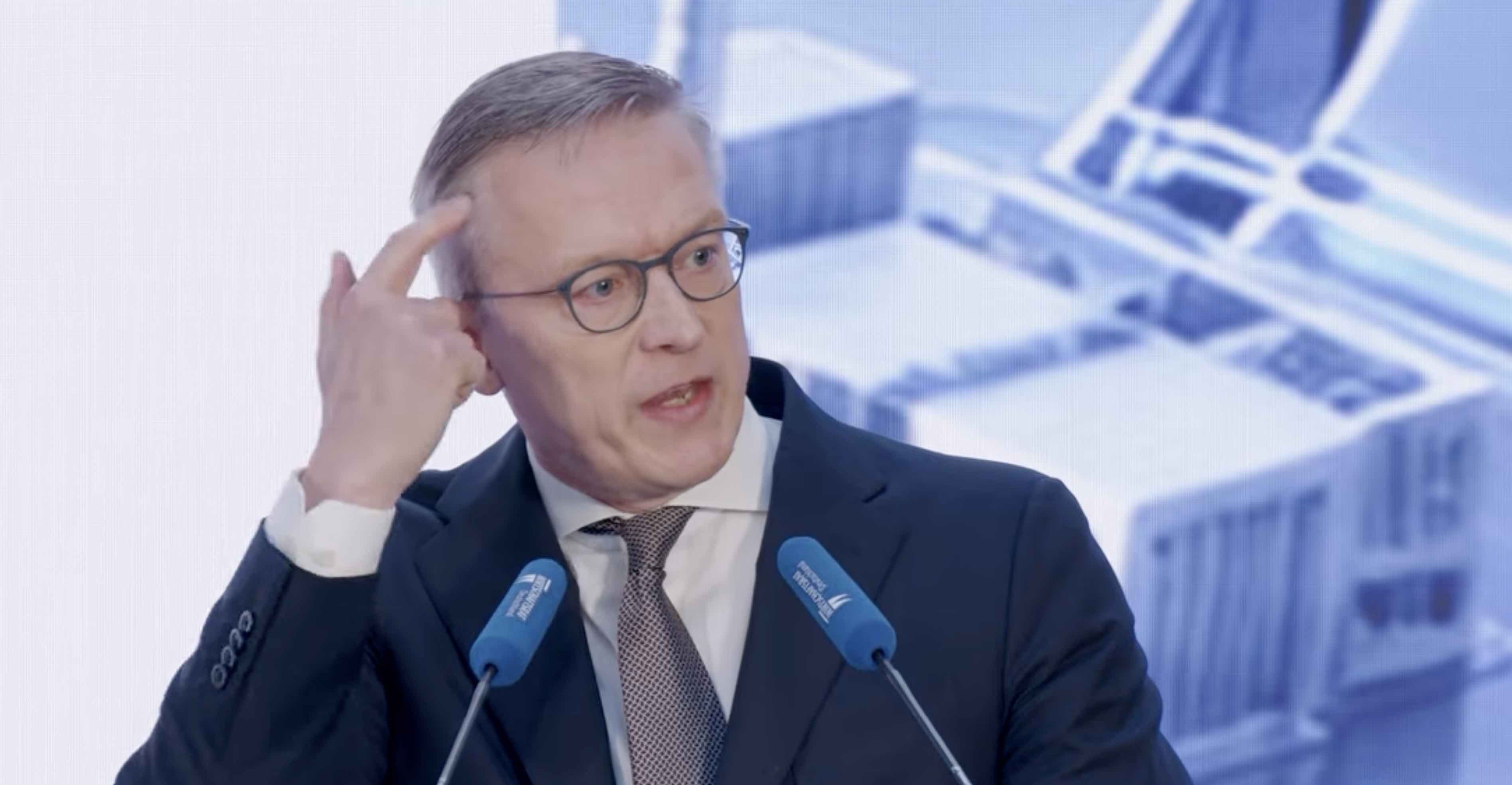
The “White Elephant” in the conference room was U.S. President Donald Trump and the United States, on which Europe is largely dependent technologically. The Innovation Business Day, organized by the Economic Council in Berlin, addressed the key prerequisites for Germany’s and Europe’s economic and strategic capacity to act. Digital sovereignty must be more than just a political buzzword.
Digital and technological sovereignty is not only a matter of security, but also a prerequisite for innovation, investment, and economic growth. The Economic Council brought together decision-makers from business, politics, and government to discuss how Europe can become more technologically independent without isolating itself. The conclusion: In the global technology race, what matters most is the ability to develop one’s own strengths and reduce strategic dependencies.
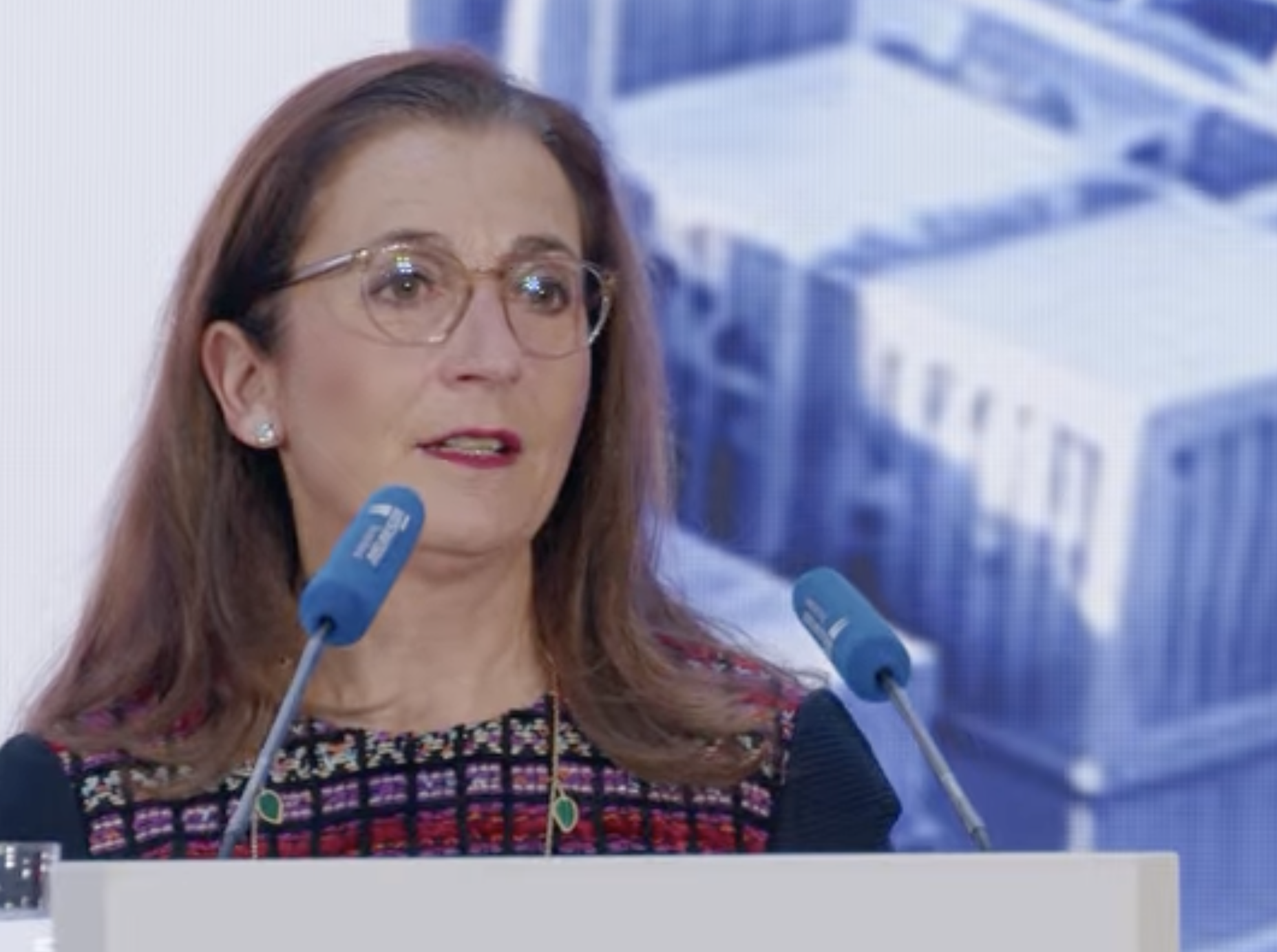
Astrid Hamker: Strategically expanding partnerships
Astrid Hamker, President of the Economic Council, chose “Empowering Europe—Digital Sovereignty as a Location Factor and Driver of Competition” as the theme for the 2026 Innovation Business Day. Technology is taking on increasing geopolitical significance: “Whoever controls key technologies, digital infrastructures, and standards also gains political and economic influence.” Technological sovereignty is therefore a strategic issue for Europe.
Hamker does not want sovereignty to be understood as isolation or self-sufficiency. However, Europe must build its own technological capabilities, create reliable alternatives, and expand strategic partnerships with countries such as the United Kingdom, Japan, South Korea, Canada, Australia, and India.
These partnerships should lead to concrete research projects, investments, and market access. Digital sovereignty must not remain a political buzzword, but must become a tangible locational advantage and a driver of competitiveness for Germany and Europe.
Digital Minister Wildberger: Independence with chips, the cloud, and AI
Federal Minister for Digital Affairs Karsten Wildberger (CDU) called for more momentum and more “yes-men” in teams instead of sceptics with a “Team No” mentality, illustrating his argument with a history book. In essence, he said, humanity is currently living on the “last page” of a history book, where massive technological changes are taking place in a very short time. Artificial intelligence, however, appears only in the very last line of the last page of this thick book. “The central question is how Germany and Europe can strengthen their digital sovereignty and turn it into a competitive advantage.”
In addition to speed, trust is crucial. The government, businesses, and citizens must trust one another more. Too much regulation is a sign of mistrust toward businesses and innovation. Wildberger calls on the government to act more quickly and enable innovation. Germany and Europe must be able to make independent decisions regarding key technologies such as chips, the cloud, and AI. However, sovereignty explicitly does not mean isolation. Europe needs international partners and must support its own companies as they grow. “It’s not too late yet. Germany can leverage its technological strength if it develops the courage and the right mindset.”
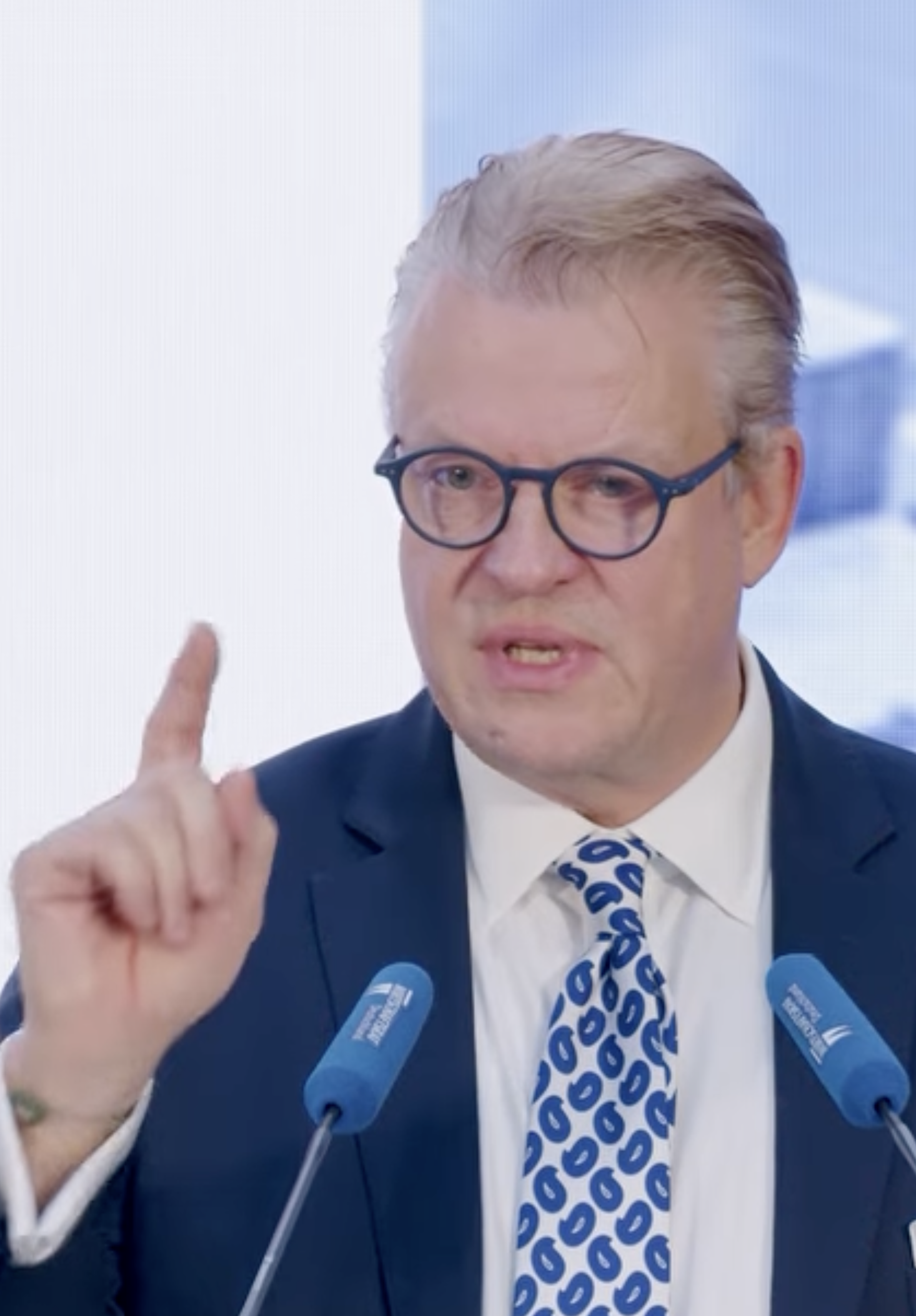
Frank Scheidig: Synthetic fuel from Germany
Frank Scheidig, Global Managing Director at DZ Bank, cited a specific example of a successful innovation that is strategically important for Europe. After 15 years of development, the German startup “Cafenia” has brought a technology to market that produces sustainable synthetic fuel (Sustainable Aviation Fuel). A reactor in Höchst is already open to visitors. This fuel could make Europe less dependent on fossil fuel imports and contribute to defense and energy security.
Scheidig identified the financing of innovations as another key focus area. Germany must accelerate regulatory processes and become more flexible. In addition, a targeted and attractive immigration policy is necessary to attract skilled workers.
The DZ Bank executive also highlighted the digitization of the financial sector, specifically the tokenization of assets. This would allow securities or real estate to be digitally divided into smaller units and made accessible to a larger number of investors. This would help small and medium-sized enterprises (SMEs) gain access to liquidity more quickly.
“Germany and Europe should not only keep pace with these developments but also take the lead in shaping them.” Scheidig recommended closer cooperation with financial centers such as Hong Kong and Singapore and advocated for a European financial market that trades around the clock, greater digital freedom, and closer collaboration between the real economy and the financial sector. “Germany must make more proactive use of its technological and economic strengths to become more independent and competitive.”
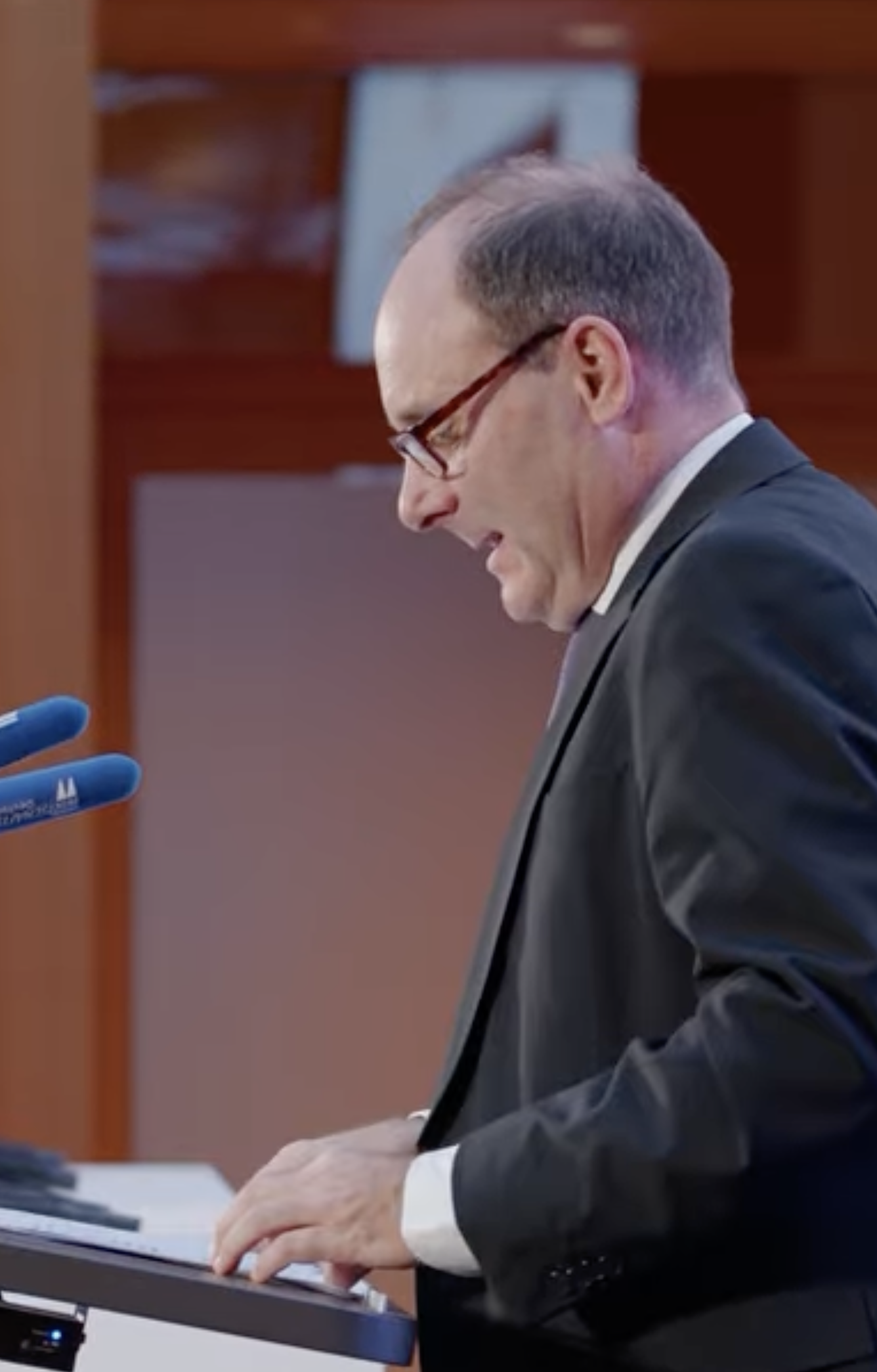
Andreas Schwarz: Supporting and helping startups grow in Europe
“We can no longer be the research and development hub for the entire world. We must keep our startups and talent in Europe and enable them to grow here,” was the central call made by Andreas Schwarz, Chief of Staff to EU Research Commissioner Ekaterina Zaharieva. All too often, startups are founded in Germany only to be commercialized and expanded by others. Europe should become the leading startup nation.
Schwarz not only highlighted the goals of the first EU strategy for startups and scaleups but also cited specific figures. The European Commission aims to create the conditions that will allow innovative companies in Europe to expand rapidly and achieve long-term success.
“The good news is: Europe lacks neither ideas nor innovation.” Although Europe accounts for only five percent of the world’s population, 25 percent of researchers are active here.
The EU representative praised Germany’s momentum in startup development: 2025 was a record year for startup creation, with 3,500 new companies founded. For the current year, he expects that number to double.
2026 will also end up being a record year for investment in Europe. But Europe’s biggest challenge is not a lack of innovation, but scaling. There are twenty times as many “unicorns” in the U.S. as in Germany. “Too often, startups are founded in Europe only to be implemented, commercialized, produced, scaled, and their market value reaped by others. Too many leave Europe—a painful loss of talent and intellectual property.”
Europe must keep startups in Europe and let them grow here. We want to make the EU the leading startup nation and a permanent hub for founding and growing businesses. This requires a joint European effort. “Startups and scaleups are not a marginal issue, but the heart of the innovation economy.”
According to Schwarz, European venture capital markets have also achieved more attractive returns than their American counterparts. “Over a ten-year period, Europe had a return of 18.95 percent compared to 15.4 percent in the U.S.
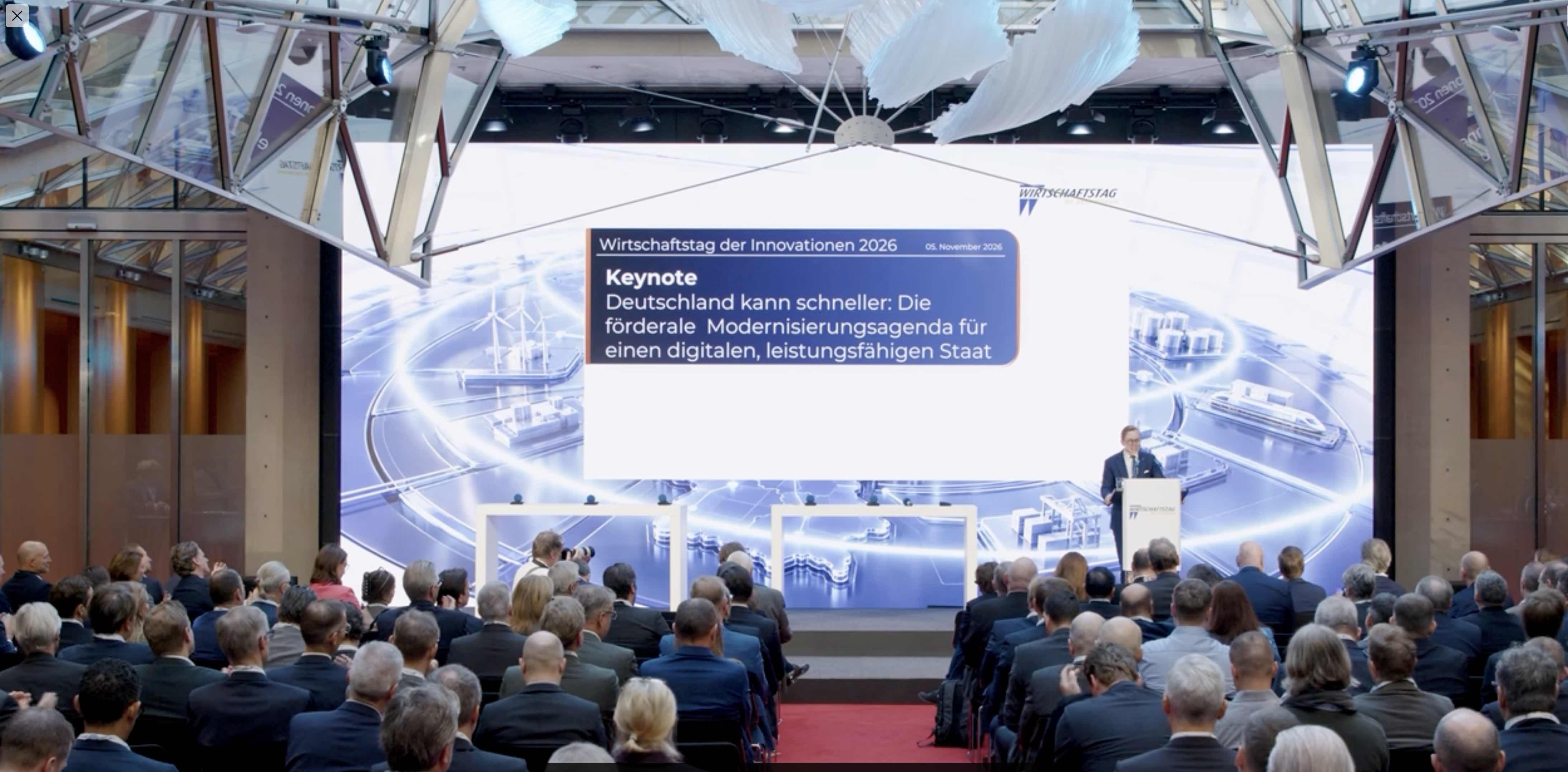
Amthor: Modernizing the state requires a cultural shift
Philipp Amthor, Minister of State for Federal-State Cooperation, pushed the issue: “Germany can move faster. Germany must move faster. And Germany will move faster.” Bureaucracy must be reduced, and the modernization of the state must be advanced. “This is not a new insight, but what has been lacking is the consistency in implementing the reform programs.” Modernizing the state will not succeed “by simply dumping it on individuals; it can only be achieved through a cultural shift.” For the CDU/CSU, this is a matter of credibility.
Conclusion: Pressure from the U.S. forces a faster pace
The observer’s conclusion: Without the transatlantic background noise of the “White Elephant” in the conference hall, the Business Day’s calls for greater momentum in European sovereignty might not have been presented as convincingly. Europe’s independence should not merely be a political vision, but a clear strategic response to the changing world order. In the military and defense industries, Europe is dependent on the U.S.; in digital infrastructure, it is vulnerable and reliant on Microsoft, Google, Amazon, Apple, and others; the same applies to the financial system and payment transactions; and, last but not least, energy dependence is shifting from Russia to the U.S. Whoever owns the digital infrastructure controls geopolitics. Yet Europe is still a long way from the dawn of a new European power and security order.
ekö