An alternative to violence
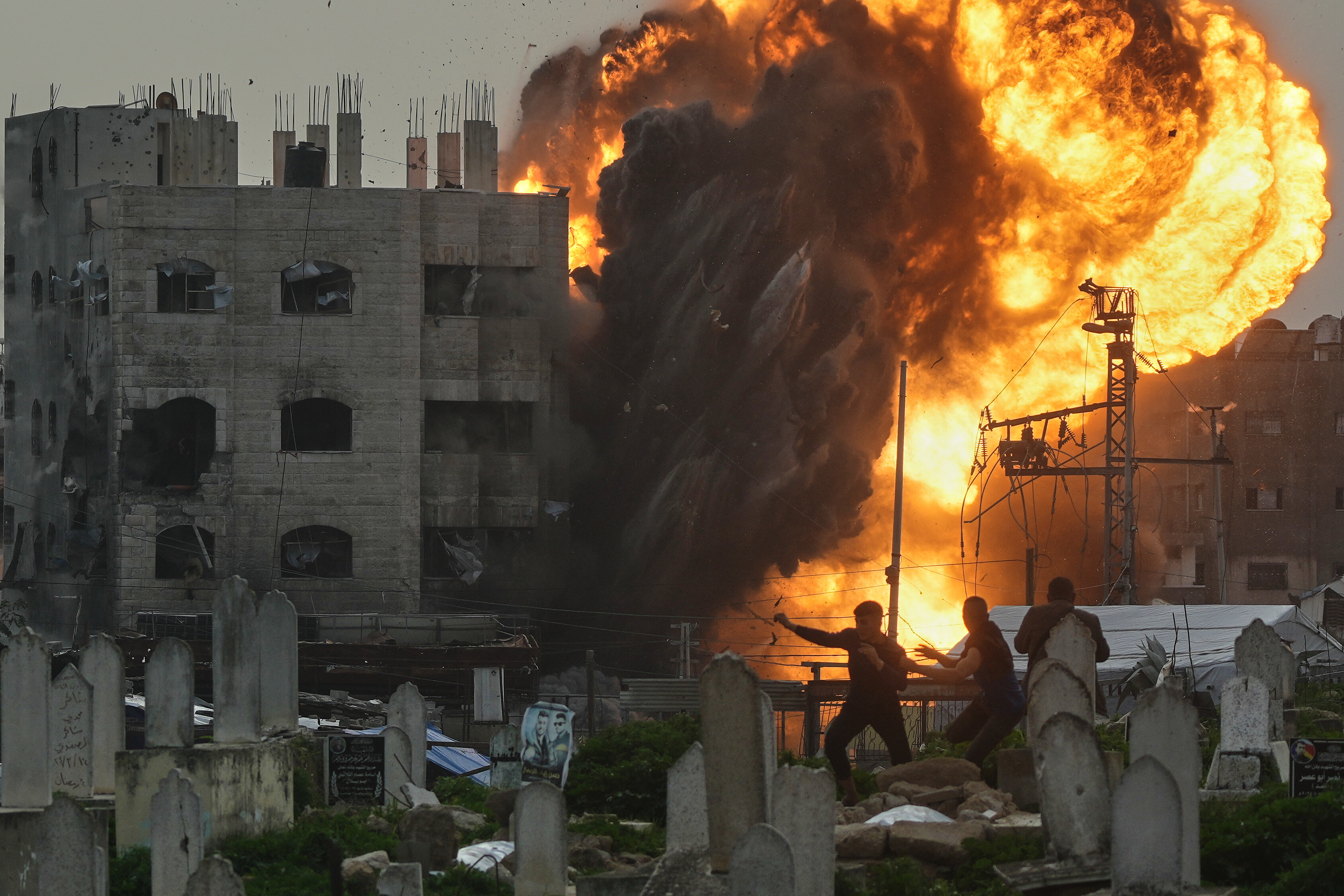
Despite the nearly four-month-long ceasefire in the Gaza Strip mediated by Donald Trump, Israeli security forces and the Palestinian terrorist organization Hamas continue to engage in violent clashes. And looming over everything is the threat of a new US attack on Iran – despite a first round of talks this Friday in Oman.
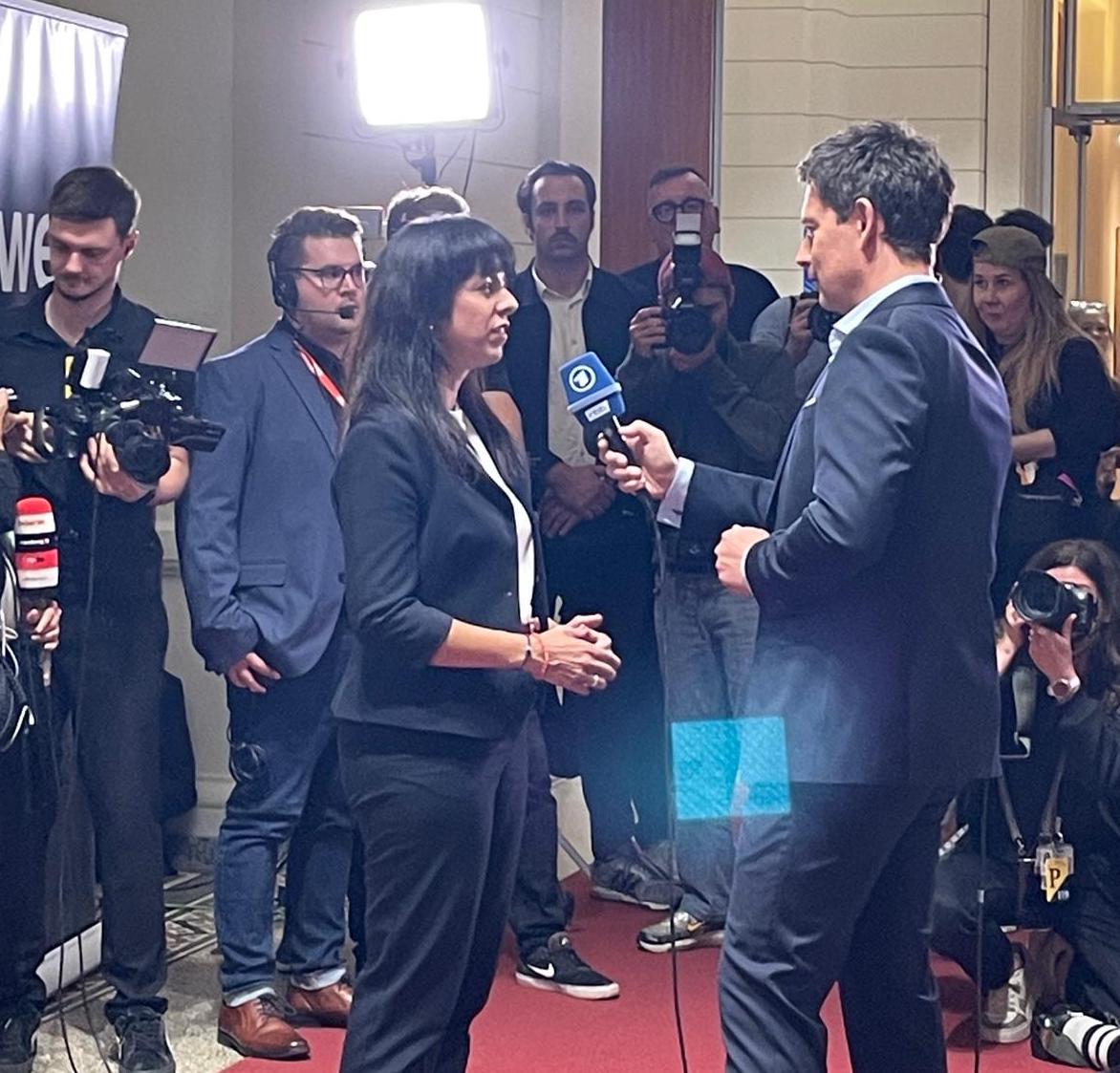
It therefore shows particular optimism and courage when Israelis and Palestinians want to give new momentum to a joint peace initiative in the Middle East. Members of the organization “Minds of Peace” met in Berlin for two days at the invitation of the Protestant Academy Loccum and debated how trust could be established after the massacre of Israelis by Hamas on October 7, 2023, and the tens of thousands of Palestinian civilian victims of the Israeli military in Gaza – trust that had already been lacking in previous decades.
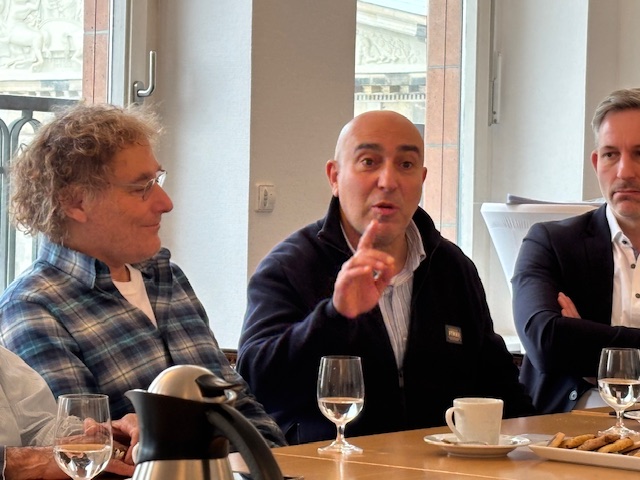
“There is now a window of opportunity and room for new ideas even in this conflict,” said Sapir Handelman, conflict researcher, director and founder of “Minds of Peace.” “Our vision is to initiate a comprehensive negotiation process involving civil society.” The organization has been in existence since 2009, but initially suspended its work with the onset of COVID-19 in 2020 and stopped completely after October 7, 2023. It has brought Palestinians and Israelis together for public discussion forums more than 50 times.
This has resulted in three options for a two-state solution to the conflict, which differ considerably in terms of the degree of cooperation involved – ranging from two independent states with Jerusalem as their respective capitals and essentially within the 1967 borders, to an EU-like confederation with police powers in the respective territories, to an area divided into cantons, each administered by an Israeli and a Palestinian, with a joint federal government. After a year of public meetings and conferences, the initiative envisages that Israelis and Palestinians will present a variant for online voting and, in the second year, conclude a peace pact with concrete measures, for example on issues of security, borders, or access to resources. It is to be presented to the political leaderships.
“Reconstruction is not just about our homes, but also about repairing the damage in our hearts,” said Samer Abdelrazzak Sinijlawi, once responsible for international relations in the Fatah leadership and the only Palestinian who immediately condemned Hamas' atrocities in 2023 in front of live cameras. With its history, Germany is the perfect partner to help with reconciliation, he emphasized. The peace activists appealed to the Federal Government to support their proposals for resolving the conflict as a kind of third way. “Does Germany want to remain on the sidelines? “Handelman asked. “We invite Germany to get involved.” The group also held talks at the Federal Foreign Office during their stay.
However, it will not work without convincing the public of the joint Israeli-Palestinian peace process, according to Handelman. “We are trying to create an alternative to violence.” With the help of pressure from below, the activists hope to persuade policy makers, although everyone is aware that this will be difficult with Israel's power-conscious right-wing conservative head of government Benjamin Netanyahu.
“But first and foremost, there must be change on the Palestinian side,” Sinijlawi emphasized. Any future security strategy must take Israel's security into account; the aim is not to eliminate Israel, but to alleviate its fear of aggression. This can only be achieved with a new Palestinian elite – beyond Fatah and Hamas. Fatah was once founded as the “Palestine Liberation Movement” by Yasser Arafat. Mahmoud Abbas, who is considered largely powerless, has been at the helm of the party for years.
gd