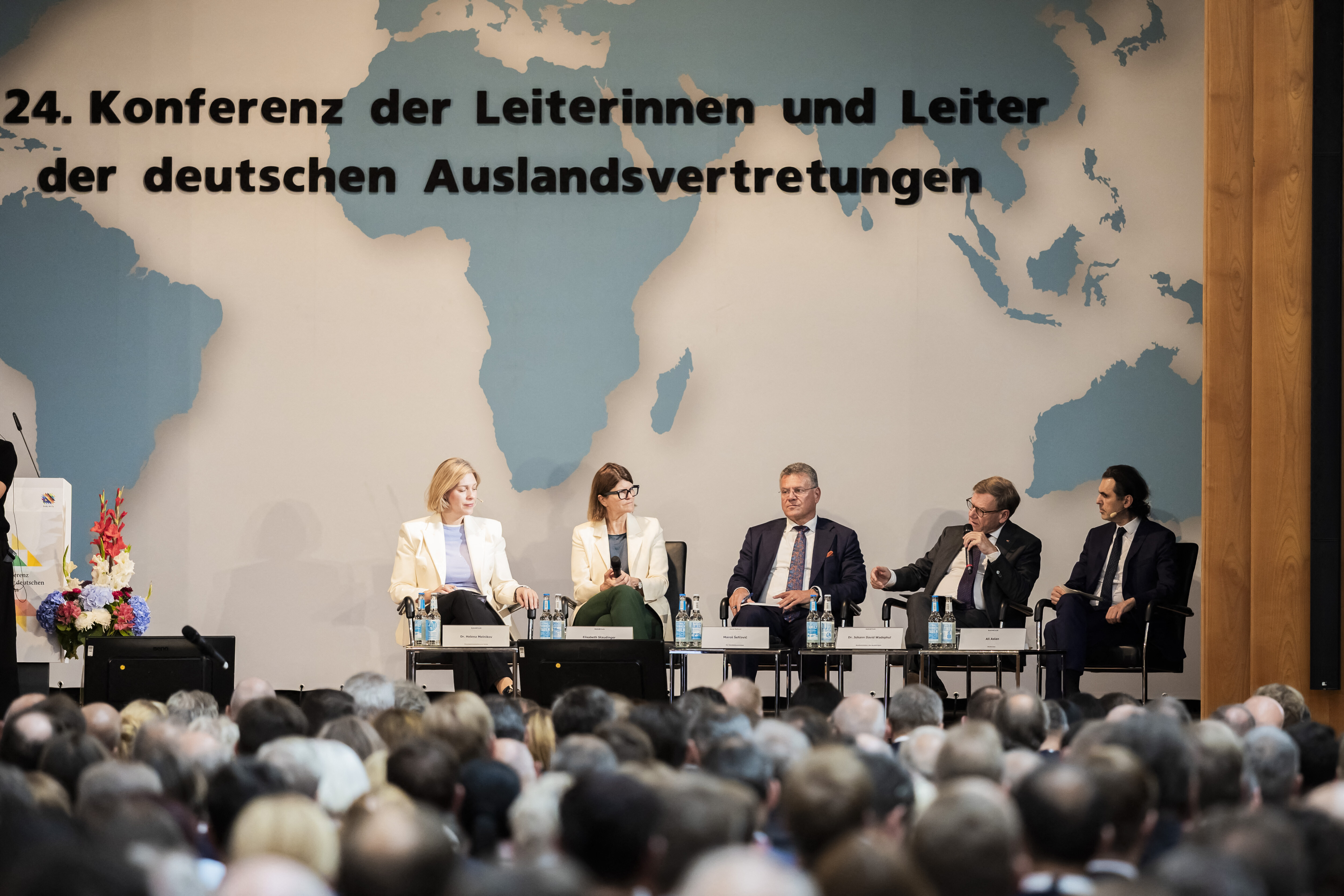
Croatia purchases 44 Leopard tanks from Germany (updated version)
Croatia and Germany have signed an agreement for the delivery of 44 Leopard 2A8 tanks, the latest generation of battle tanks. This would make the armed forces of the NATO allies even more seamlessly and efficiently networked, said German Chancellor Friedrich Merz (CDU) at a press conference with Croatian Prime Minister Andrej Plenkovic on Wednesday in Berlin. Croatia considers the delivery of the tanks to be an important piece of the puzzle in its transition to Western technology. His country is striving to make its contribution to peacekeeping in Europe, including aid for Ukraine and the defense budget. As the newest member, Croatia is striving to keep pace with older EU member states.
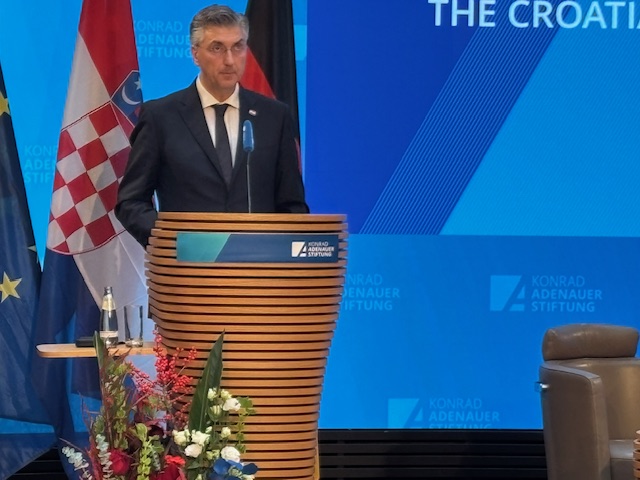
With regard to the Ukraine peace negotiations, Merz called for more pressure on Russia to get it to engage in serious negotiations. This included further sanctions and, as the biggest lever, frozen Russian assets, which Europe wants to use for the reconstruction of Ukraine. Croatia fundamentally supports this process, Plenkovic said, but the approach must be legally sustainable so that the EU does not fall into disrepute as a financial center. The terms of an agreement must be acceptable to Ukraine, and Europe must be involved in the negotiation process, he had previously emphasized in a speech to the Konrad Adenauer Foundation in Berlin.
In this speech, the long-standing Croatian head of government also emphasized the great potential of cooperation with Germany, particularly in the field of defense but also in the energy sector. Germany is the fourth-largest investor in Croatia, with trade volume reaching around nine billion euros. “We must do more to strengthen Europe's strategic autonomy,” Plenkovic demanded, pointing to the increase in his own country's defense spending. Croatia's defense budget is set to rise to 2.5 percent by 2027 and to three percent by 2030. According to him, the next investments will go to the navy, financed in part by the EU's SAFE (Security Action for Europe) armaments program. With SAFE, the EU aims to promote the joint procurement of armaments and the European armaments industry. The fund contains around 150 billion euros. In addition, according to the head of government, a military training program for 19-year-old Croatians will begin in January next year. Unlike Germany, Croatia has now reintroduced compulsory military service for men, which was suspended in 2008. Basic training lasts two months.
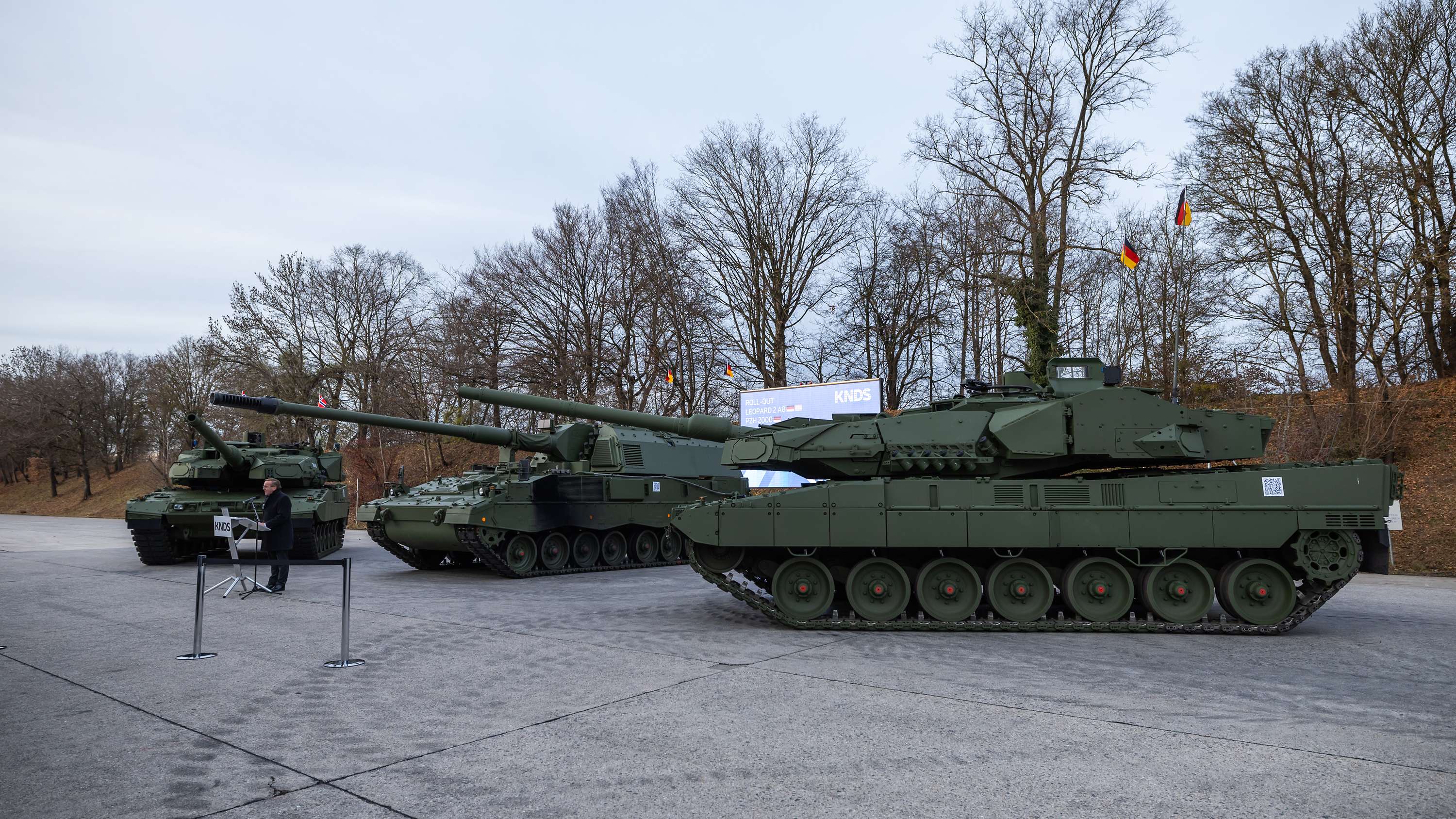
The Croatian armed forces are facing comprehensive modernization and re-equipment. According to information from Croatian diplomatic circles, the last four major procurement projects—Leopard tanks, Caesar howitzers, Tatra military vehicles, and drone defense systems—have a total value of around two billion euros. The German tanks are to be delivered between 2028 and 2030. The contract also includes simulators, spare parts, and logistical support worth a total of 1.15 billion euros. The financing will also come from SAFE funds. The Leopard 2A8 is currently considered the most advanced battle tank on the market, capable of intercepting anti-tank missiles with the aid of radar sensors. According to the information provided, the German Federal Ministry of Defense intends to carry out a joint procurement for Norway, Czechia, Lithuania, the Netherlands, and Croatia in order to enable shorter delivery times and more favorable prices.
Croatia supports all efforts to promote European independence, “so that the EU not only survives crises but also shapes its own future,” said Plenkovic. The former diplomat, who has been prime minister since 2016 and is a member of the conservative, Christian Democratic HDZ party, traveled to the German capital with a large business delegation, where a German-Ukrainian economic dialogue also took place. The approximately 500,000 Germans of Croatian descent, one of the largest diaspora groups in the country, were part of “Team Croatia” and could be a strong link for economic cooperation between the two countries. gd
.JPG)
.jpg)