Poland has more and more asylum seekers arriving from Germany
By Ellis de Leon
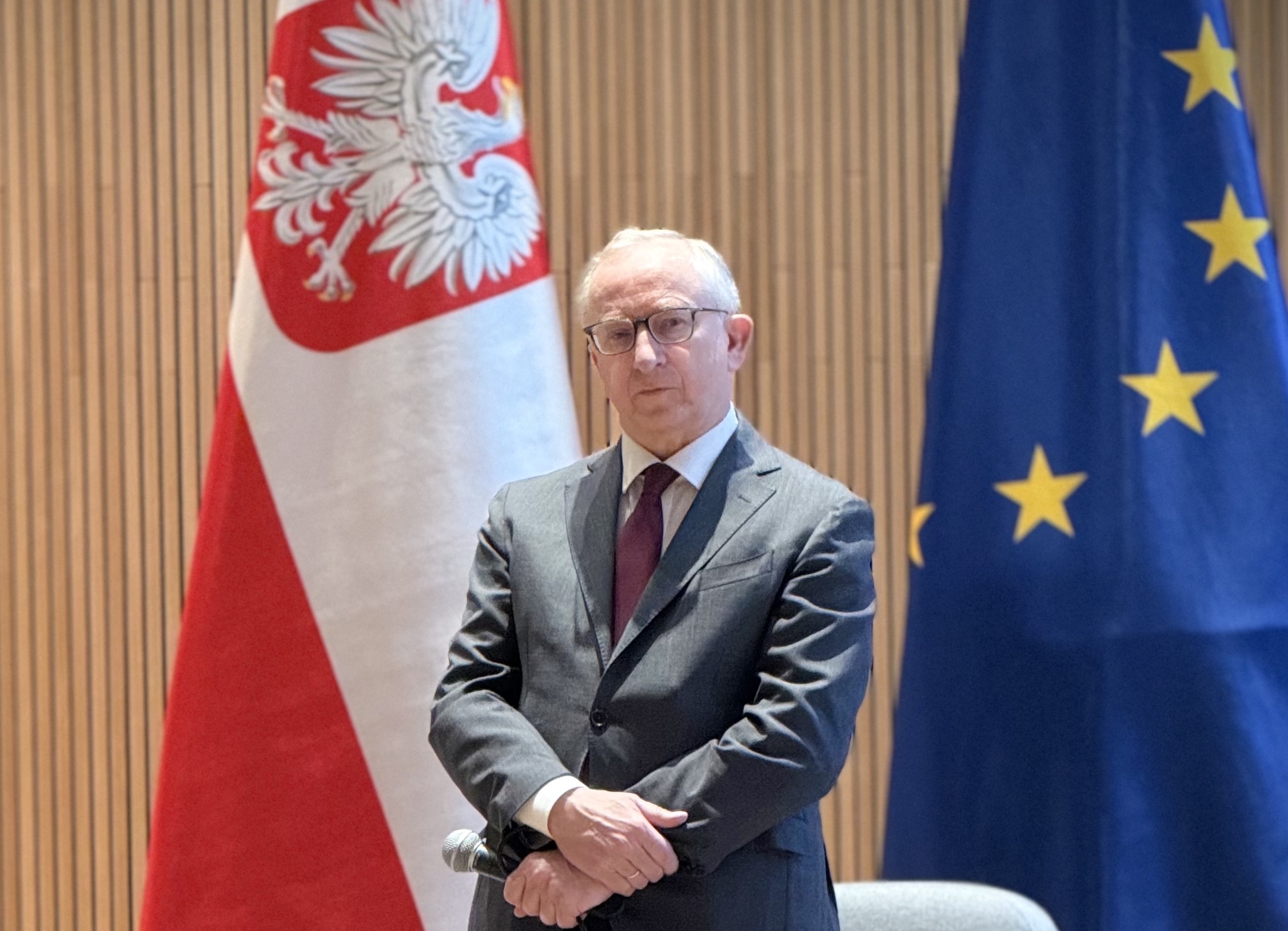
More and more asylum seekers are moving from West to East. “We are seeing an increase in asylum applications in Poland from people arriving from Germany,” said Ambassador Jan Tombiński in conversation with foreign correspondents in Berlin. According to this, people who had previously applied for asylum in Germany or other Western European EU countries without success are now trying to obtain protection in Poland.
The flow of refugees from Western Europe to Poland came unexpectedly. Although it does not involve thousands of refugees, Poland must nevertheless respond and reduce the country's attractiveness. The diplomat referred to his conversation with representatives of the Polish border police: “They told me that they are observing this new phenomenon.”
Back to Schengen as quickly as possible
According to Tombiński – technically speaking, he is chargé d'affaires ad interim, as Poland has not yet formally appointed him as ambassador – the Polish and German sides are working closely together on border protection. “From what I know from both sides, day-to-day operational cooperation is progressing very well.”
Both sides tried to prevent illegal border crossings. However, Poland wanted to return to the Schengen system with open borders as quickly as possible. Polish Prime Minister Donald Tusk had made an end to border controls dependent on the German federal government. You would have to ask the German ministers about this. “We were certainly not interested in introducing border measures,” says Tombiński.
Border with Belarus: tighter than any other
In the past, there had been a flow of refugees from Belarus. The Belarusian leader Alexander Lukashenko had refugees from crisis areas brought to the EU's external border in order to put pressure on the West. According to the EU, this was an act of sabotage by Russia and Belarus. However, this border is now tighter than any other border in Europe, said Tombiński.
Work on a common European asylum and migration policy is progressing well, as Tombiński emphasized, citing the Polish and German heads of government.
The ambassador also reported on the recent German-Polish intergovernmental consultations, during which Federal Chancellor Friedrich Merz and Polish Prime Minister Donald Tusk had focused on three priorities: security, infrastructure and a culture of remembrance. Yet the talks were dominated by Russia's war of aggression against Ukraine.
“Copernican Turn”
Russia's ambitions have forced a profound reassessment of relations between the countries of the alliance. The relationship between Germany and Poland is at the forefront of this. According to Prime Minister Tusk, the geopolitical situation in the region is undergoing a Copernican revolution, said Tombiński. This is how the close cooperation between Germany and Poland in defending Europe's eastern border, which is also Poland's eastern border, can be described.
The security of Germany and the European alliance as a whole is closely linked to the security of Poland, which is why many security policy measures are concentrated on Polish territory. For example, after Russian drones entered Polish airspace, Germany sent Eurofighter aircraft to the Malbork air base in northern Poland. Both countries have intensified their cooperation in the detection and neutralization of drones and intend to draw up a defense policy agreement by 2026.
In addition, the Joint NATO-Ukraine Center for Analysis, Education, and Training was opened in the Polish city of Bydgoszcz in early 2025. It aims to draw lessons from the war against Ukraine and strengthen Ukraine's interoperability with NATO.
.JPG)