This Greenland grab is Trump’s worst move yet
At the World Economic Forum in Davos, US President Donald Trump assured that he did not intend to take Greenland by force. He announced an agreement with NATO Secretary General Mark Rutte on an alleged “framework” for a future deal on the island, which belongs to Denmark. He said it would benefit the US and all other NATO countries. Trump is withdrawing, at least for the time being, the additional 10 percent tariffs he imposed on Denmark, Germany, Finland, France, the Netherlands, Norway, Sweden, and the United Kingdom on February 1. Regardless of what the solution looks like exactly, according to Trump's former National Security Advisor John Bolton, now a sharp critic of the president, the threats against allies have destroyed decades of trust. diplo.news is printing an article that appeared in the London newspaper “The Telegraph.”
© John Bolton / Telegraph Media Group Holdings Limited 2025
By John Bolton
Donald Trump’s extraordinary tariff threat against the United Kingdom and other countries for things they have said or done regarding Greenland is without doubt his most dangerous and destructive assertion during the five years of his presidency. To say it is without precedent radically understates how foolish and contrary to fundamental American interests it is.
Apart from the ignorance of history and incoherence of Trump’s social-media post, its ramifications for the special relationship and Nato alliance – indeed for the credibility and trust the United States has spent decades trying to establish – is incalculable. Many Trump supporters try to downplay Trump’s rhetorical outbursts by saying “that’s just the way he talks.” All too often, however, Trump actually means what he says. Others say we should take Trump “seriously but not literally,” but that provides no comfort either. Neither alternative can mitigate his appalling statements.
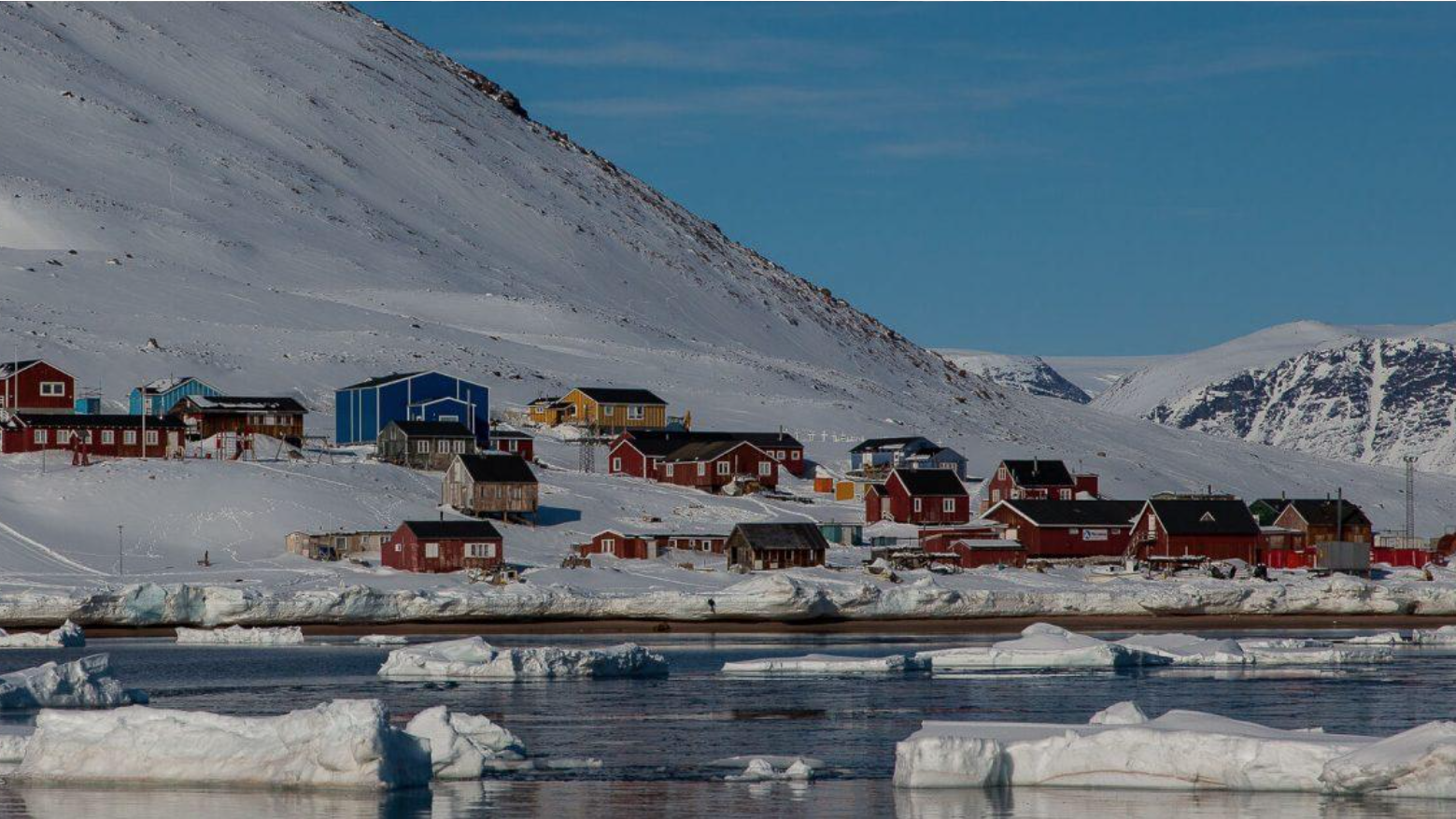
There is every reason for concern about the security of Greenland, and the security of all Nato territories surrounding the Arctic Ocean. Indeed, the High North has become Nato’s soft underbelly, as Winston Churchill described the Mediterranean in the Second World War. Russia is already an Arctic power, and China intends to become one. Consider the implications of a Chinese flotilla entering the Bering Strait, then transiting the Arctic Ocean and emerging in the North Atlantic. You can be sure Beijing is contemplating it.
The US, Canada, Denmark and Norway, and all Nato, have high stakes in upgrading our collective defence and deterrence efforts along the Arctic littoral. This includes the need for serious efforts to surveil encroachments by Russian and Chinese surface and sub-surface naval vessels, as well as their aerial surveillance by satellites, drones and even “weather” balloons.
This is less a concern for hostile invasion, as Trump seems to think imminent, than intelligence gathering to protect against future belligerent activities. More immediately, we are rightly concerned about Beijing and Moscow trying to buy control over Greenland through “Belt and Road”-style financing initiatives, as has been done in South Asia, Africa and Latin America.
All this can be dealt with by negotiation among Nato allies, and requires neither American sovereignty over Greenland nor military or coercive economic force. I would be delighted if Greenlanders voted, freely and fairly, to become a US commonwealth, but Trump’s blustering this past year has ensured that won’t happen. Nonetheless, numerous alternatives exist, starting with the 1951 US-Danish “Defense of Greenland Treaty”.
Under this treaty, Washington can essentially seek to build any military facilities on Greenland it needs. Danish officials cannot understand why Trump won’t ask, because they are ready to say “yes.” The Treaty reflects prior patterns of cooperation. In the Second World War, for example, America had 17 military bases in Greenland. During the Cold War, Greenland served as the eastern end of the “Distant Early Warning” line to spot incoming Soviet ballistic missiles. All this is possible again.
Dissent against Trump among Republicans in Congress has grown markedly in the past three months. If he tries to implement his message on tariffs, I believe there will be a thorough Republican revolt against him. Hopefully, the Supreme Court soon rescues us by declaring most of Trump’s tariffs invalid, and perhaps unconstitutional.
But if Trump is not stopped from implementing his latest bizarre outburst, there is little doubt relations between Washington and London, and all other allied capitals, will take a stunning turn for the worse. And we will all be less secure in an increasingly threatening world.
© John Bolton / Telegraph Media Group Holdings Limited 2025


.webp)