Iran and the trap of wishful thinking
Column by Michael Backfisch
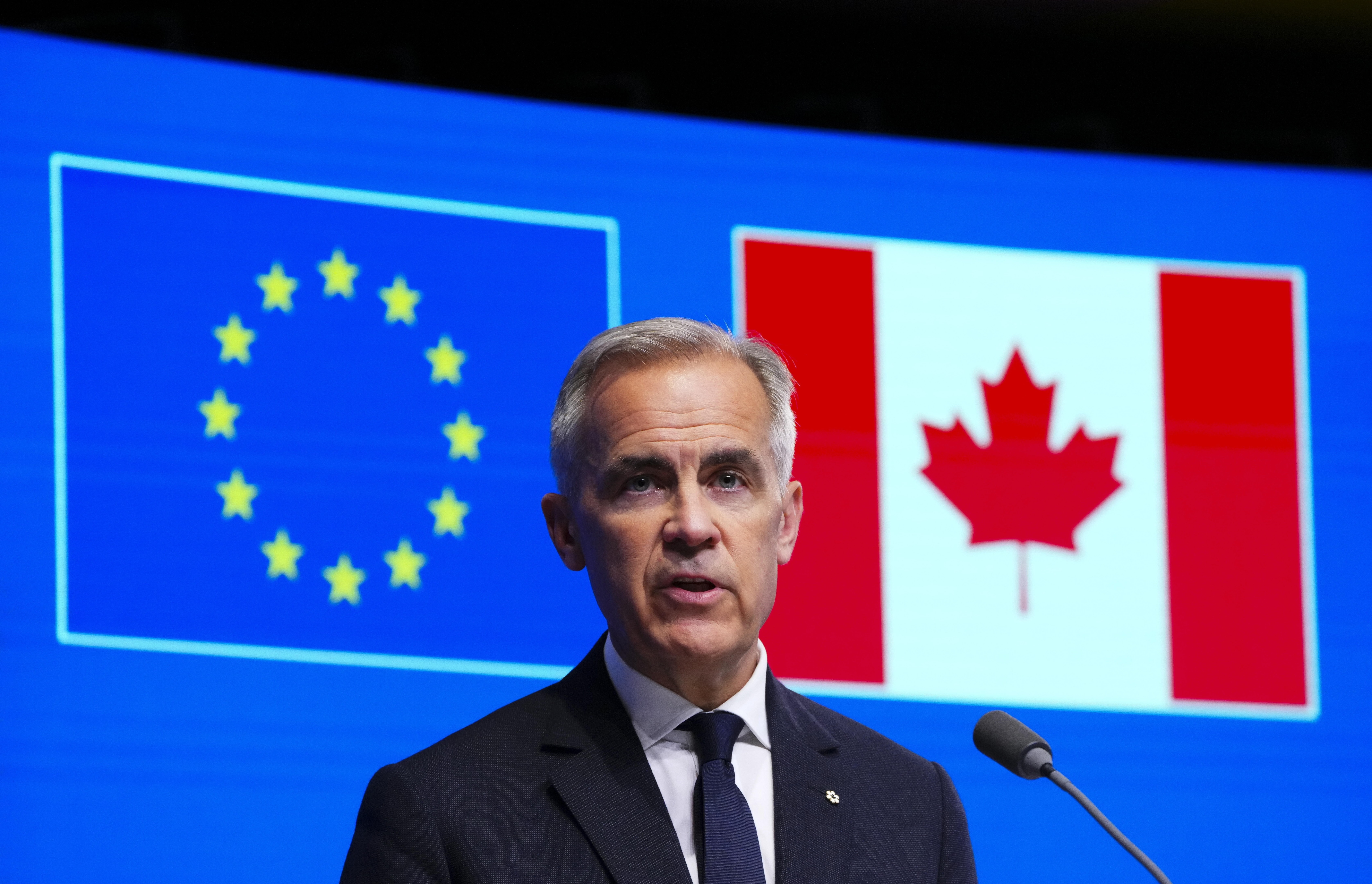
The chancellor himself joined the exclusive circle of Iran experts. “When a regime can only hold on to power through violence, then it is effectively finished,” Friedrich Merz (CDU) announced on Tuesday during a visit to the Indian high-tech metropolis of Bangalore. “I assume that we are now also seeing the last days and weeks of this regime.” Omid Nouripour (Greens), Vice President of the Bundestag and a native of Iran, sees the mullah state “on the brink of collapse.” Are we really on the verge of the fall or implosion of the Islamic ruling system?
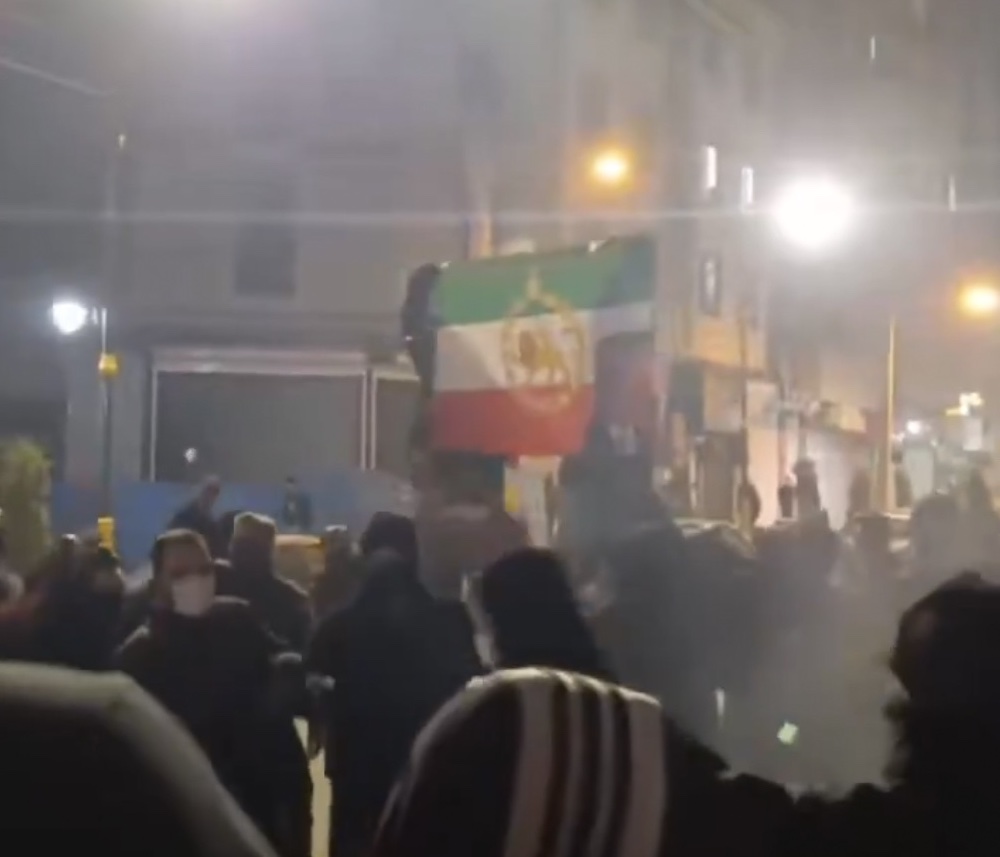
The courage of Iranian people to fight back is admirable. The scale of the protests against the deep economic crisis and the suffocating political apparatus of oppression is impressive. At the same time, the brutality of the regime, which is using rubber truncheons and live ammunition against demonstrators, is frightening. But as desirable as a peaceful transition to a democratic, liberal system in Iran would be, there is no solution at the push of a button along the way.
US President Donald Trump is creating the illusion that the wave of violence in Iran can be quickly stopped. But Trump is strong in verbal threats and weak in consistent action. He meanders. Sometimes he cracks the whip, sometimes he offers the carrot, and then he brings out the club again. “We will hit them very hard where it hurts,” he announced a few days ago. Shortly after, Trump reported that the Iranian leadership wanted to negotiate and said he was open to talks. “We may meet with them, a meeting is being prepared,” he said cryptically. Then on Tuesday, he did a U-turn again. “Iranian patriots, keep protesting! Take over your institutions!” wrote the US president on his Truth Social platform. He said he had canceled all meetings with Iranian government representatives until the “senseless killing of protesters stops.” The regime would pay a “high price,” he said, adding that help was on the way. What exactly he meant by that remained unclear. Trump acts like the king of headlines: breathless, spectacular, sensational.
It is doubtful whether the head of the White House has the energy to find a lasting solution to the Iran issue. “Trump wants quick, visible results that signal strength without leading to long-term entanglement: Iran should be kept in check, deterred, and pressured to make concessions without regime change becoming an indefinite responsibility for the US,” emphasizes Washington-based Middle East expert Reza Parchizadeh. “His focus is on means of pressure—sanctions, military threats, and psychological pressure—rather than detailed nation-building or a transformation brought about through negotiations.”
Even if Trump were to force himself to intervene militarily in Iran, it would be a double-edged sword. The system would not cease to exist if Supreme Leader Ali Khamenei were eliminated or the headquarters of the Revolutionary Guards were blown up. The ensuing turmoil could lead to a military dictatorship by hardliners or even civil war. Western military operations in Iraq, Libya, and Afghanistan have not brought stability to those countries. Ali Vaez of the International Crisis Group think tank sums up the dilemma: “If the US does too little, it may not make a difference. If it does too much, it could destroy everything, with unpredictable consequences for all of us.”
And the Europeans? Above all, they are left with symbolic politics. German-Iranian trade had reached the homeopathic dimension of 1.5 billion euros in 2024. The reduction to zero would hardly put any additional pressure on the mullah state. Putting the Revolutionary Guards on the EU's terror list is difficult because of the unanimity required in the community. The effect would be negligible, as the Revolutionary Guards' assets in the EU have been subject to sanctions for some time. Summoning the Iranian ambassador in Berlin, Paris, London, or Madrid serves to appease public outrage. But does it change anything?
The Iranian regime is responding with excessive violence. The power elites are only interested in the survival of the system that secures their privileges, while the vast majority of the population languishes in poverty. The Revolutionary Guards in particular control large parts of the economy and are beneficiaries of this kleptocratic network. Against this backdrop, Merz & Co. run the risk of falling into a trap of wishful thinking.
The only country that has a contingency plan for Iran up its sleeve is Israel. The elimination of the mullah regime, which still advocates the destruction of the Jewish state, is Prime Minister Benjamin Netanyahu's most important strategic goal. That is why he has repeatedly called on the Iranian people to overthrow the Islamic ruling system in the past—so far without success. But Netanyahu is primarily pursuing naked realpolitik. According to Western intelligence estimates, Israel has infiltrated parts of the political leadership in Tehran. Should Iran's uranium enrichment and missile program exceed a certain limit again, air strikes like those during the Twelve-Day War are inevitable. Israel's motto is: damage control first. Visions are far behind.

.webp)