Japan's pragmatic diplomacy
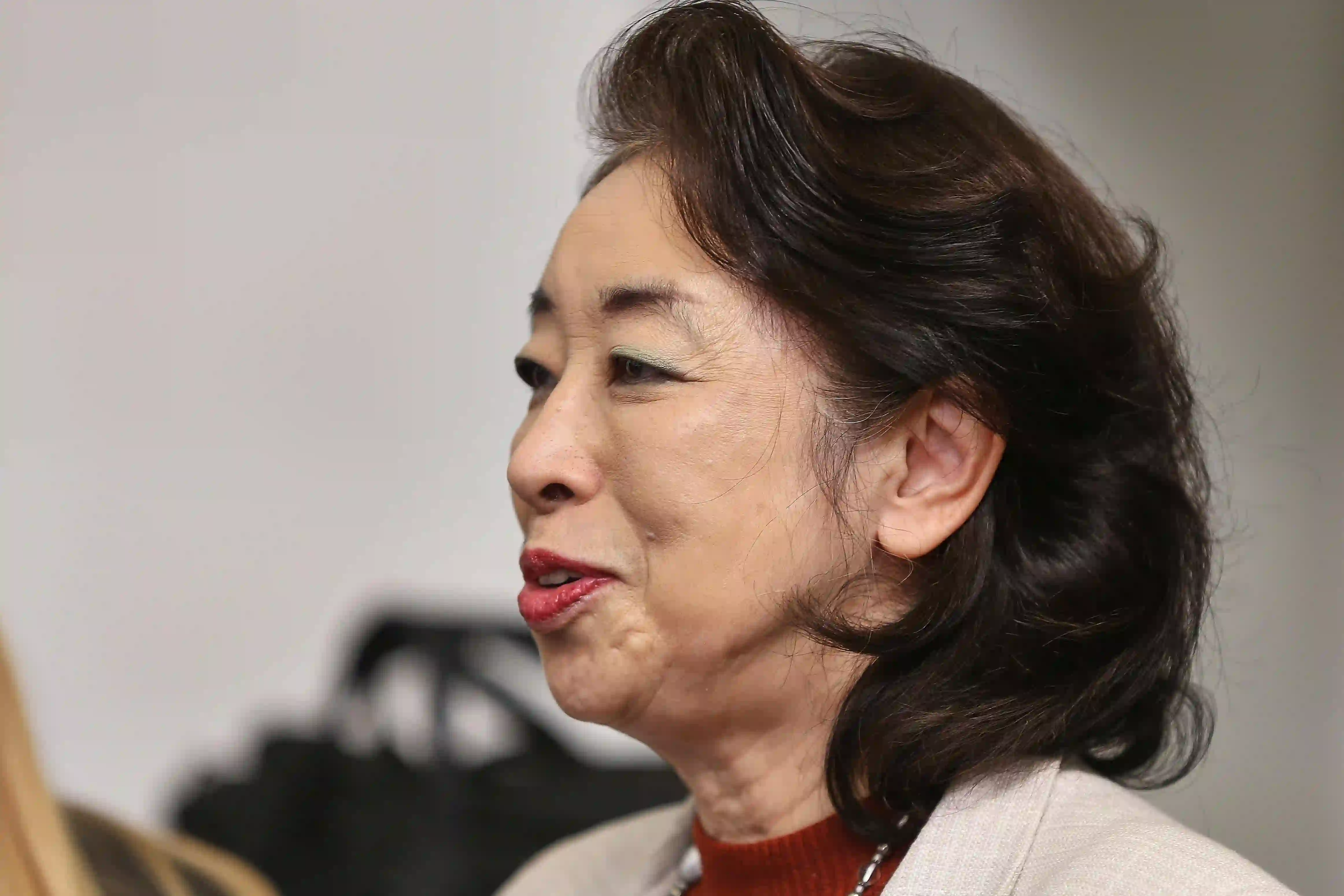
Japan's Ambassador to Germany, Mitsuko Shino, has described the U.S. commitment as indispensable for both the Indo-Pacific region and Europe. No other country could fully replace the United States in maintaining the international order, the diplomat said Monday at an event at the Japanese-German Center in Berlin. The security of Europe and the Indo-Pacific is closely intertwined. “Today’s Ukraine could be tomorrow’s East Asia.” Japan therefore wants to work together with Europe and the U.S. toward a strong and resilient future.
The diplomat explained her country’s more pragmatic approach to the U.S., which differs from that of the Europeans. EEurope could move closer together if America were to distance itself. But Japan does not have such a Plan B. It faces a powerful neighbor—namely China—virtually alone, while Germany is surrounded by “26 nice friends.” For example, when the U.S. demanded higher tariffs, Japan considered the full picture of cooperation and did not fight on every front. Moreover, if Europe had better relations with the U.S., Japan would also benefit from it. For her country, strategic autonomy means being independent and strong enough to make its own decisions, Shino said. However, this does not have to mean 100% independence, which is simply impossible.
Her country has already made important strategic adjustments in light of the changed geopolitical situation, by now being able to supply weapons to trustworthy countries like France or Germany.Tokyo has thus moved away from the strictly pacifist export policy it has followed since World War II and is hoping to attract orders from other countries for its defense industry. Japan must modernize its defense capabilities, Shino said, and wants to cooperate with the Europeans. But the economy and society must also become more resilient. For instance, her country has recently established cooperation with Vietnam in agriculture and energy, and with Australia regarding critical raw materials. “Japan has not lost faith in peace diplomacy, but being able to defend itself is a contribution to that.” The ambassador hardly mentioned China—Japan’s biggest competitor and adversary—by name during the conference.
At the same time, Shino called for greater unity among Europeans. She noted that they are competing too much with one another, and that fragmentation undermines Europe’s strength. It is important, she said, not to lose sight of a clear vision in day-to-day affairs. The most important goal, she emphasized, is international peace and stability. For the sake of this goal, she added, minor differences of opinion should be set aside. Japan, she said, wishes to cooperate with a united Europe.
“We cannot change the past, nor can we change other people. We Japanese cannot vote in the U.S. presidential election or in the state election in Saxony-Anhalt,” the diplomat explained, apparently alluding to opinion polls suggesting that the right-wing populist AfD could become the strongest party in that state. But one can shape a better future by changing oneself or one’s attitude toward others, Shino emphasized. She praised “remarkable political changes” under Chancellor Friedrich Merz (CDU) in foreign and security policy, as well as in energy and fiscal policy, including the relaxation of the debt brake and the increase in the defense budget to 3.5 percent of gross domestic product.
The conference, titled “Japan-Europe-US Relations in Turbulent Times,” was organized by Indiana University’s Europe Gateway—the German branch of the U.S. university—and Freie Universität Berlin.
gd
.webp)