Radovan: “We cannot fill all the gaps left by the US.”
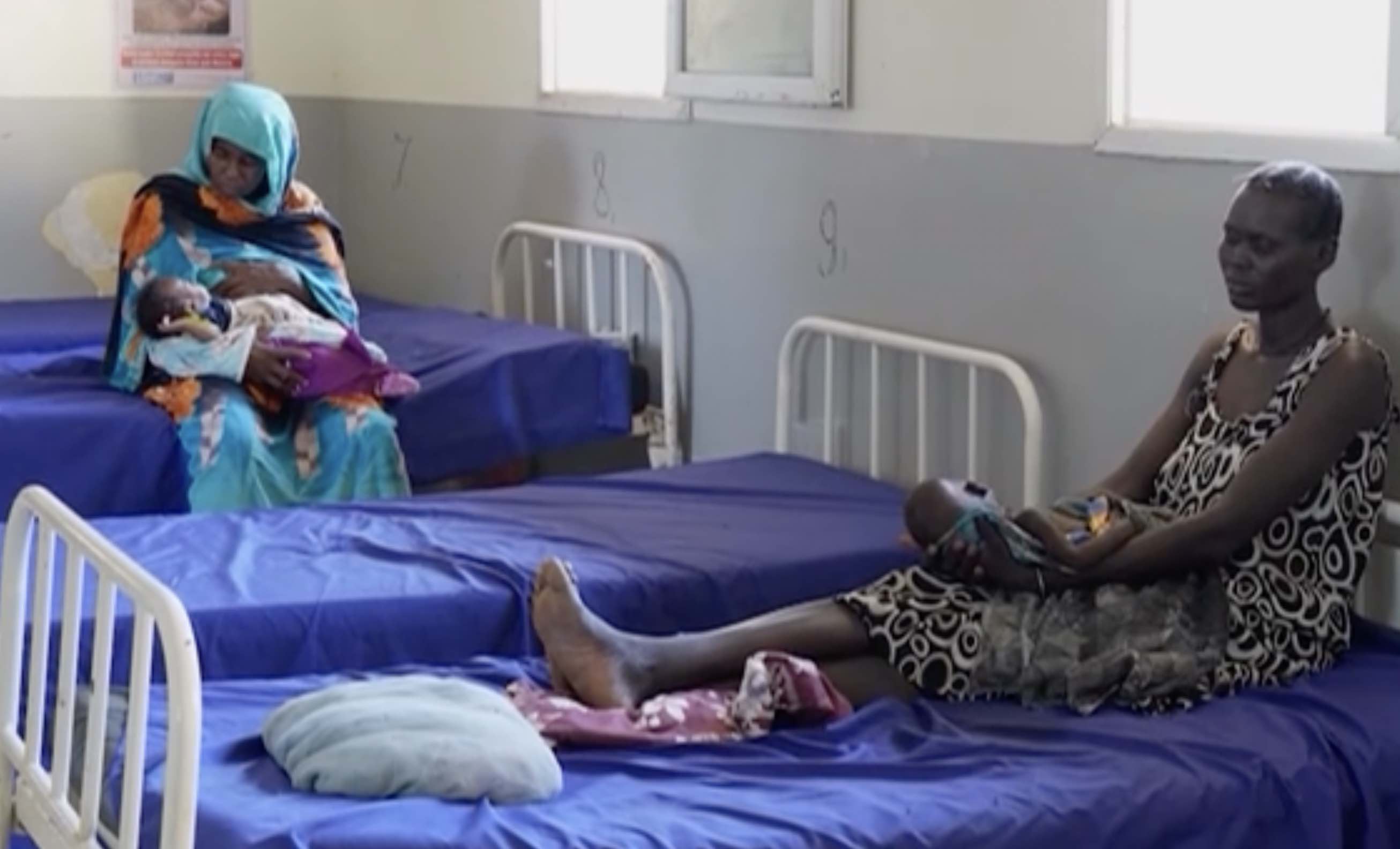
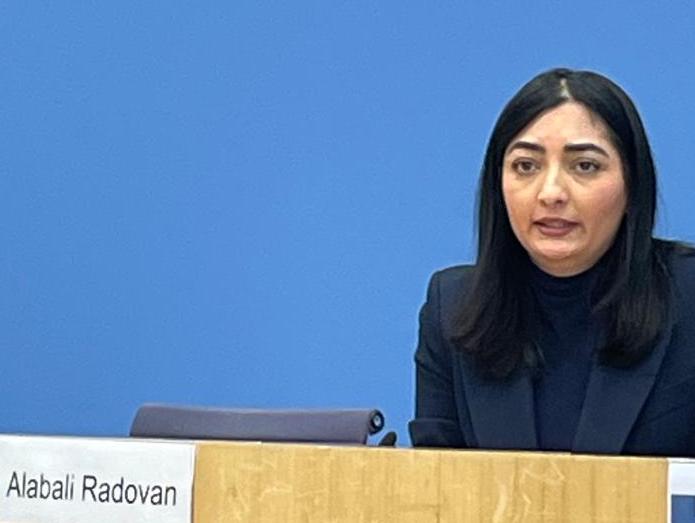
Germany must make significant cuts in development aid and therefore concentrate on key areas. Reem Alabali Radovan (SPD), Federal Minister for Economic Cooperation and Development (BMZ), presented the reorientation of Germany's development policy in Berlin on Monday.
In times of historic upheaval and geopolitical tensions, 2026 will be “the year of decisions for peace, security, and prosperity.” Her ministry has spent six months working intensively on a reform process to “adapt its commitment to the new realities.” The new German development policy will be “more strategic, more focused, and more partnership-oriented.”
“Old logic of donors and recipients outdated”
“The old logic of rich donors and poor recipients is outdated,” Radovan told journalists. “We will not do everything everywhere, but sharpen our regional focus.” The BMZ will be specifically committed to the EU neighbourhood, North Africa and the Middle East (MENA region), the Sahel region, Sudan and the Horn of Africa.
In addition, Germany will concentrate on reconstruction in Syria, Ukraine and – “in perspective” – Gaza. For years, Germany has been working with the United Nations' implementing organizations for the Palestinian territories. It was also necessary to provide one-time support to the Palestinian Authority because the Israeli government had withheld tax revenues for the Palestinians for months and the region was on the brink of collapse. “No other partner region is as heavily regulated as the Palestinian territories,” Radovan countered other narratives. “We are always in contact with the Israeli government and the Israeli authorities. Nothing comes into Gaza without Israel's approval.”
“We say what our interests are”
According to Radovan, many countries are changing, which is why German aid is changing too. “We need to talk more clearly about our interests.” In discussions with countries in the Global South, they should clearly state where their interests lie – "And we say what our interests are. We have been too cautious in this regard up to now. We need to move away from the traditional roles of donor and recipient countries."
Countries that are no longer among the least developed countries (LDCs) but are already considered emerging economies can, in principle, only expect to receive loans that must be repaid.
Despite the cuts, Germany remains one of the world's largest donor countries, Radovan emphasized, “but we cannot fill all the gaps left by the US on our own.” On the other hand, we must not allow China and Russia to fill these gaps.
New units and early crisis detection
In harmony with foreign and defense policy, development policy is an integral part of German security policy. The minister announced the creation of a North-South Development Policy Commission in her ministry, but did not reveal any details about its content or composition. She also said she would create a new working unit for analysis, early crisis detection, and strategic forecasting. The BMZ intends to join forces with the Foreign and Defense Ministries to produce joint analyses and plans. To this end, Radovan also announced staff exchanges with the two ministries. In addition, a Sudan conference will be held at the Foreign Office in the coming weeks, in which the BMZ will also participate.
ekö

.webp)